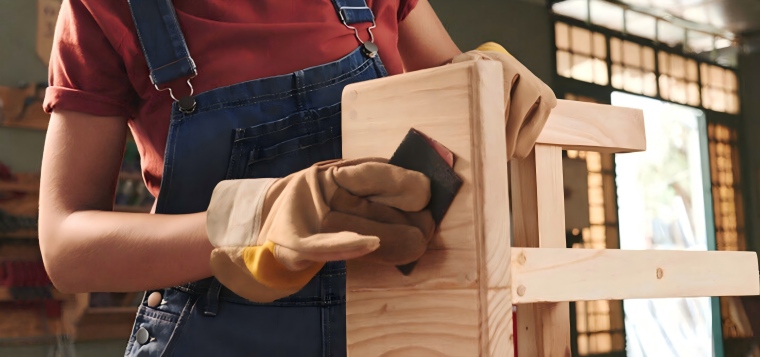
In industrial grinding, the abrasive you choose can have a direct impact on productivity, surface quality, and operating costs. A sanding disc that loses cutting ability too quickly, generates excessive heat, or requires frequent replacement can slow down production and increase overall expenses.
For professionals working with metal fabrication, automotive components, machinery parts, and other demanding applications, selecting the right abrasive solution is essential. Two commonly compared options are ceramic sanding discs and aluminum oxide sandpaper. Although both are designed for material removal and surface preparation, they offer different advantages in cutting performance, durability, and application flexibility.
Understanding the differences between these two abrasive technologies allows users to choose products that better match their working conditions. This article explains how ceramic and aluminum oxide abrasives compare in terms of material structure, grinding efficiency, service life, and practical applications, helping you select the right solution for high-efficiency grinding.
Abrasive grain technology determines how efficiently a sanding disc can cut, how long it can last, and how well it performs under different working conditions. Among industrial abrasives, ceramic sanding discs and aluminum oxide sandpaper are two widely used solutions with distinct characteristics.
Ceramic sanding discs are manufactured with ceramic abrasive grains designed for high-performance grinding. Unlike conventional abrasive materials, ceramic grains feature a microcrystalline structure that allows controlled fracturing during use. As worn particles break away, new sharp cutting edges are exposed, creating a self-sharpening effect.
This advanced abrasive structure enables ceramic products to maintain aggressive cutting performance over longer grinding cycles. As a result, ceramic abrasives are commonly selected for applications involving stainless steel, hard metals, weld removal, and heavy-duty fabrication where consistent material removal is required.
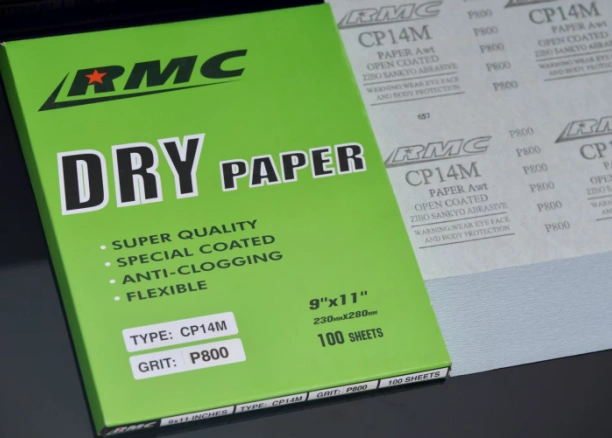
In comparison, aluminum oxide sandpaper is a traditional abrasive solution known for its balanced performance and versatility. Aluminum oxide grains provide reliable cutting ability while maintaining good durability, making this type of abrasive suitable for general sanding, finishing, surface preparation, and many maintenance applications.
While ceramic abrasives focus on maximum efficiency in challenging environments, aluminum oxide abrasives provide a practical combination of performance and affordability. The best choice depends on the material being processed, grinding intensity, and expected results.
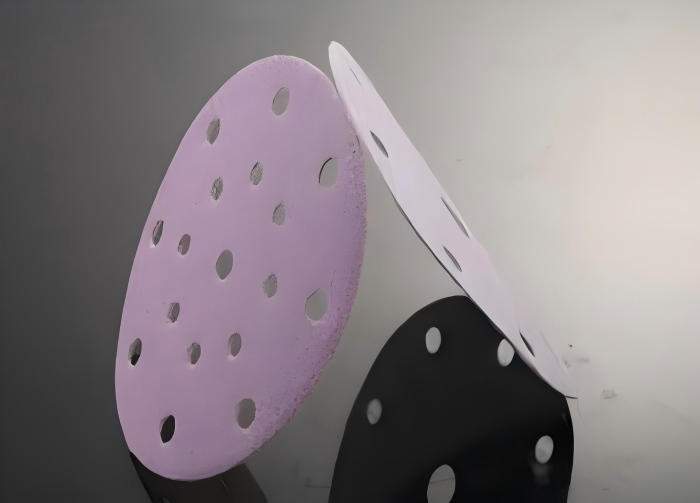
The differences between ceramic and aluminum oxide abrasives mainly come from their grain structure and working behavior. When selecting an abrasive disc, users should consider cutting speed, material hardness, heat generation, service life, and overall productivity.
| Comparison Factor | Ceramic Sanding Discs | Aluminum Oxide Sandpaper |
|---|---|---|
| Abrasive Structure | Microcrystalline ceramic grain with self-sharpening performance | Aluminum oxide mineral grain designed for versatile sanding |
| Grinding Performance | High cutting efficiency for demanding applications | Reliable performance for general sanding tasks |
| Material Removal | Suitable for aggressive and continuous grinding | Better suited for light to medium material removal |
| Heat Management | Excellent resistance under high-pressure grinding conditions | Suitable for standard sanding environments |
| Service Life | Longer lifespan in heavy-duty applications | Good durability for general-purpose use |
| Typical Applications | Metal fabrication, stainless steel, weld grinding | Finishing, maintenance, wood and general surface preparation |
One of the biggest advantages of ceramic sanding discs is their ability to maintain cutting performance during intensive grinding. The self-sharpening characteristics of ceramic grains help reduce performance decline, especially when working with difficult materials.
Meanwhile, aluminum oxide sandpaper remains popular because of its flexibility and cost efficiency. For applications that do not require aggressive material removal, it provides dependable results without unnecessary abrasive expenses.
Grinding efficiency is a major factor when choosing abrasive products, especially in professional manufacturing environments where time and consistency are important. The right abrasive can improve workflow efficiency while reducing unnecessary downtime.
Ceramic sanding discs generally deliver faster cutting performance because ceramic grains are harder and sharper compared with many conventional abrasive materials. Their ability to continuously expose fresh cutting edges allows them to remove material efficiently even during demanding grinding operations.
Heat control is another important consideration. Excessive heat during grinding may affect surface appearance, create unwanted marks, or influence the quality of finished components. Ceramic abrasive technology helps manage heat generation more effectively, making it suitable for high-pressure applications.
Although aluminum oxide sandpaper provides reliable performance for many applications, it may wear faster when exposed to heavy grinding pressure or extremely hard materials. For general sanding and finishing work, however, aluminum oxide remains a highly practical choice.
By understanding the performance characteristics of each abrasive type, users can select a sanding solution that balances cutting efficiency, surface quality, and operating costs.
Abrasive durability is one of the most important factors affecting grinding efficiency and operating costs. In professional applications, a sanding disc that maintains its cutting ability for a longer period can reduce replacement frequency, improve workflow stability, and help achieve more consistent results.
Ceramic sanding discs are designed for demanding grinding environments where long service life and stable performance are required. Their ceramic grains gradually fracture during use, continuously exposing new sharp edges that help maintain cutting effectiveness. This self-renewing process allows ceramic abrasives to perform well even under high pressure and extended grinding conditions.
For industries such as metal fabrication, automotive manufacturing, and industrial equipment production, this durability advantage can translate into higher productivity. Operators can spend less time changing abrasive discs and more time completing grinding tasks efficiently.
Compared with ceramic abrasives, aluminum oxide sandpaper provides dependable durability for general-purpose applications. It performs effectively when grinding pressure is moderate and the primary goal is surface preparation, finishing, or light material removal.
However, when used for aggressive grinding on hard metals or continuous high-pressure applications, aluminum oxide grains may lose their sharpness faster. Therefore, selecting the right abrasive should be based on actual working conditions rather than only the initial product cost.
For professional users, the total value of an abrasive product depends on multiple factors, including service life, grinding speed, replacement frequency, and overall process efficiency.
Different materials require different abrasive characteristics. A sanding disc that performs well on one material may not deliver the same results on another. Factors such as material hardness, surface condition, grinding pressure, and required finish quality should all be considered before selecting an abrasive.
Ceramic sanding discs are commonly selected for demanding industrial applications where fast cutting and long working life are essential. They are particularly suitable for stainless steel grinding, weld removal, heavy metal fabrication, automotive component processing, and other operations requiring efficient material removal.
The strong cutting ability of ceramic abrasives makes them especially valuable when productivity is a priority. In manufacturing environments where grinding time directly affects production efficiency, ceramic solutions can help improve overall process performance.
On the other hand, aluminum oxide sandpaper is widely used for applications that require flexibility and reliable surface finishing. It is suitable for general metal sanding, paint and coating preparation, woodworking, maintenance work, and other tasks where extreme cutting performance is not necessary.
Because aluminum oxide abrasives offer a good balance between performance and affordability, they remain an important choice for many workshops and industrial users. For applications with moderate grinding requirements, they can provide excellent results while keeping abrasive consumption under control.
Fujistar Abrasives provides a range of abrasive solutions designed for different industrial requirements. Customers can explore available sanding products through the Fujistar Abrasives product to find suitable options for specific grinding applications.
Choosing between ceramic sanding discs and aluminum oxide sandpaper requires evaluating the specific demands of your grinding operation. There is no single abrasive solution that is suitable for every application, and the right choice depends on the balance between performance requirements and operating costs.
For heavy-duty grinding tasks involving stainless steel, hard metals, or continuous production environments, ceramic abrasives are usually the preferred option. Their high cutting efficiency, heat resistance, and long service life make them ideal for users who need reliable performance under challenging conditions.
For general sanding, finishing, and maintenance applications, aluminum oxide sandpaper remains a practical and economical solution. Its versatility allows it to handle a wide range of materials without requiring the higher performance characteristics of ceramic abrasives.
Before making a final selection, users should consider several important factors, including the type and hardness of the material, required material removal rate, desired surface finish, working pressure, production volume, and long-term abrasive cost. Evaluating these factors helps ensure the selected sanding disc delivers the expected performance and value.
Working with an experienced abrasive supplier can also help users identify the most suitable product for their application. Fujistar Abrasives focuses on providing reliable abrasive solutions and professional support to help customers achieve efficient grinding results. For specific requirements, users can contact the Fujistar Abrasives team for further assistance.
Both ceramic sanding discs and aluminum oxide sandpaper play important roles in modern grinding and surface preparation. The best choice depends on the material being processed, production requirements, and the performance expectations of the application.
Ceramic sanding discs provide outstanding advantages in demanding environments where fast cutting speed, durability, and heat resistance are essential. Their advanced abrasive grain structure allows them to maintain performance during intensive grinding operations, making them a preferred solution for many industrial applications.
Meanwhile, aluminum oxide sandpaper continues to be widely used because of its versatility, reliability, and cost efficiency. For general sanding and finishing tasks, it offers a practical balance between performance and affordability.
By understanding the differences between ceramic and aluminum oxide abrasive technologies, professionals can make better purchasing decisions, improve grinding efficiency, and reduce unnecessary operational costs. Selecting the right abrasive based on actual application requirements is the key to achieving better productivity and long-term value.
Ceramic sanding discs are mainly used for demanding grinding applications such as stainless steel processing, weld removal, heavy metal fabrication, and industrial surface preparation where high cutting performance is required.
Ceramic sanding discs generally provide faster cutting performance, longer service life, and better heat resistance. However, aluminum oxide sandpaper remains a cost-effective choice for general sanding and finishing applications.
Yes. Aluminum oxide sandpaper can be used for many metal-related tasks, including surface preparation, finishing, deburring, and light grinding operations.
Ceramic sanding discs use advanced abrasive grains that fracture in a controlled way during grinding, continuously exposing new cutting edges and maintaining abrasive performance.
For stainless steel grinding, ceramic sanding discs are usually recommended because they provide aggressive cutting ability, improved heat management, and consistent performance.
The best choice depends on the material, grinding intensity, required surface finish, production requirements, and overall operating cost. Heavy-duty applications usually benefit from ceramic abrasives, while general sanding tasks often suit aluminum oxide sandpaper.