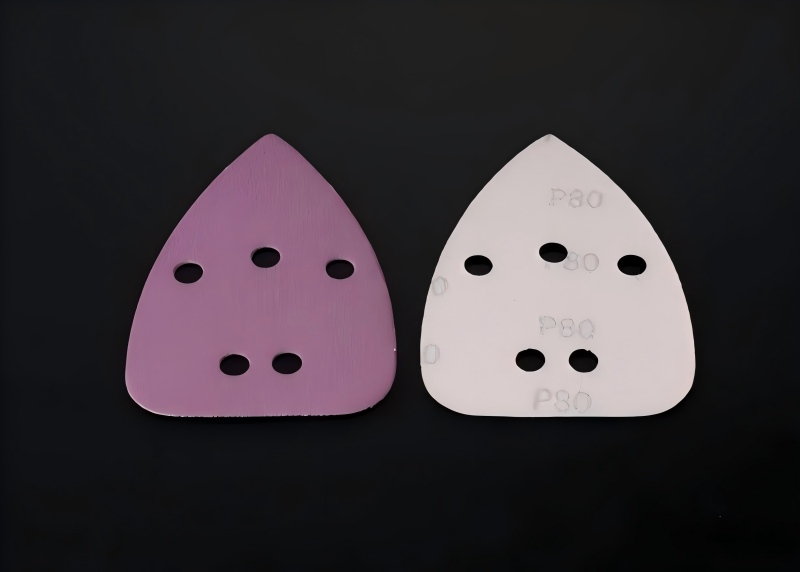
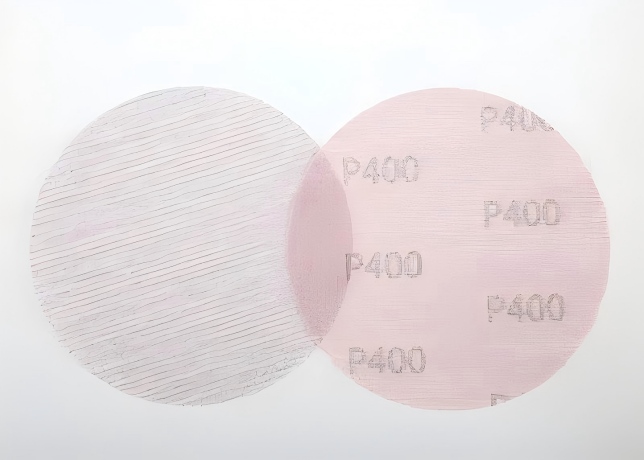
The difference between an ordinary piece of furniture and a premium-quality product is often hidden beneath the surface. Before a cabinet door achieves a flawless finish or a furniture panel reaches a smooth, refined appearance, every detail depends on one essential process: precision sanding. The choice of woodworking abrasives used during this stage can directly affect surface consistency, finishing quality, and production efficiency.
In modern cabinetry and furniture manufacturing, sanding is no longer just a finishing step—it is a key part of quality control. From removing machining marks on solid wood components to preparing surfaces for paint, stain, or coating, professional sandpaper rolls woodworking solutions help manufacturers achieve repeatable results across different materials and production environments.
However, selecting the right abrasive is not always straightforward. Different wood types, sanding stages, and finishing requirements demand different combinations of abrasive grain, grit size, and backing performance. Choosing an unsuitable sandpaper roll can increase processing time, create surface defects, and affect the final appearance of the furniture.
This guide explores how woodworking abrasives influence furniture surface quality, how to choose the right sandpaper rolls for cabinetry and furniture applications, and how optimized sanding strategies can help manufacturers improve efficiency and finishing performance.
The quality of a furniture surface depends heavily on the sanding process. Even high-grade wood materials require precise surface preparation before they can achieve a professional finish. Effective woodworking abrasives help remove uneven textures, cutting marks, surface imperfections, and previous coating residues while creating a consistent foundation for finishing.
Sandpaper rolls are widely used in woodworking because they provide flexibility, convenience, and consistent abrasive performance. Compared with fixed-size sanding sheets, sandpaper rolls woodworking products allow operators to cut suitable lengths according to different applications, reducing material waste and improving workflow efficiency.
In cabinet and furniture production, sanding quality directly affects several important factors, including appearance, coating adhesion, surface smoothness, and product durability. A poorly prepared surface may lead to visible scratches, uneven finishes, or additional polishing and repair work.
| Sanding Stage | Primary Purpose | Impact on Furniture Quality |
|---|---|---|
| Initial Sanding | Remove rough areas, machining marks, and surface defects | Creates a stable foundation for further processing |
| Intermediate Sanding | Smooth the surface and reduce sanding marks | Improves consistency before finishing |
| Final Sanding | Create a refined surface texture | Enhances coating appearance and overall quality |
Choosing suitable woodworking abrasives allows manufacturers to achieve reliable sanding results while maintaining production efficiency and reducing unnecessary rework.

Selecting the appropriate sandpaper rolls woodworking solution requires evaluating the specific requirements of each application. Cabinet doors, furniture panels, solid wood components, and decorative surfaces may require different abrasive characteristics.
For large flat furniture panels, durability and consistent cutting performance are important because the abrasive needs to maintain stable performance during continuous sanding. For curved edges or detailed components, flexible backing materials can provide better surface contact and improved control.
Several factors should be considered when selecting professional sandpaper rolls. Abrasive grain determines cutting ability and finishing performance. Grit size controls material removal speed and surface smoothness. Backing flexibility affects handling performance, while coating structure influences abrasive lifespan and resistance to loading.
Professional manufacturers often select abrasives based on the complete sanding process rather than a single operation. Matching the abrasive to the material and production stage helps achieve better results while improving efficiency.
Fujistar Abrasives offers professional abrasive solutions for different industrial applications. More product options can be explored through the woodworking abrasive product range.
The abrasive grain is one of the most important factors influencing sanding performance. Different grain materials provide different levels of durability, cutting efficiency, and finishing capability. Understanding these differences helps users select the most suitable woodworking abrasives for cabinetry and furniture production.
| Abrasive Grain | Key Characteristics | Suitable Applications |
|---|---|---|
| Aluminum Oxide | Durable, versatile, and widely used | General furniture sanding and surface preparation |
| Ceramic Abrasive | High cutting efficiency and extended service life | High-volume woodworking production |
| Silicon Carbide | Sharp cutting performance and smooth finishing ability | Fine sanding and surface refinement |
Aluminum oxide is commonly selected for woodworking because it provides a balanced combination of durability and performance. It is suitable for many furniture manufacturing applications where reliable sanding results are required.
Ceramic abrasives are designed for demanding applications where higher material removal efficiency and longer abrasive life are important. They are often used in industrial environments that require consistent production performance.
Silicon carbide provides excellent cutting sharpness and is often used for applications requiring smoother surface preparation. It is particularly useful during fine sanding stages where appearance quality is critical.
Grit selection plays an essential role in determining sanding efficiency and final surface quality. The correct grit sequence allows professionals to remove material effectively while gradually improving surface smoothness.
| Sanding Purpose | Common Grit Range | Application Examples |
|---|---|---|
| Heavy Surface Preparation | 40-80 grit | Removing rough surfaces and machining marks |
| General Smoothing | 100-180 grit | Preparing cabinets and furniture components |
| Final Finishing | 220 grit and above | Creating smooth surfaces before coating |
Using coarse abrasives for initial sanding improves material removal efficiency, while finer abrasives help achieve a smoother finish. Professional woodworking operations typically use a progressive sanding sequence instead of relying on one grit throughout the entire process.
Proper grit selection helps reduce surface defects, improve coating performance, and create a more consistent appearance across finished furniture products.
Improving sanding efficiency requires more than selecting the correct abrasive. Professional users must also consider abrasive durability, sanding technique, and application conditions.
High-quality sandpaper rolls woodworking products can improve production efficiency by maintaining stable cutting performance and reducing frequent abrasive replacement. Durable abrasives help manufacturers achieve consistent results during long sanding operations.
Preventing abrasive loading is another important consideration. Dust and residue buildup can reduce cutting ability, especially when working with resinous wood materials or coated surfaces. Selecting abrasives with good loading resistance helps extend service life.
Maintaining proper sanding pressure is equally important. Excessive pressure does not always increase efficiency and may instead create uneven surfaces or shorten abrasive lifespan. Allowing the abrasive grain to perform the cutting action usually produces better results.
Fujistar Abrasives provides professional solutions designed to support efficient woodworking applications. For application guidance and abrasive recommendations, contact the team through the professional abrasive consultation service.
Selecting the right woodworking abrasives and sandpaper rolls woodworking solutions is essential for achieving high-quality cabinetry and furniture finishes. The combination of abrasive grain, grit selection, and proper sanding methods directly influences production efficiency and final product appearance.
By understanding how different abrasives perform and matching them with specific woodworking requirements, manufacturers can reduce surface defects, improve finishing consistency, and create better-quality furniture products.
With reliable abrasive technology and professional application support, Fujistar Abrasives helps woodworking professionals optimize sanding processes and achieve consistent results across various furniture manufacturing applications.
Woodworking abrasives are used to remove surface imperfections, smooth wood components, prepare surfaces for coatings, and improve furniture finishing quality.
Sandpaper rolls provide flexibility, customizable lengths, and consistent performance, making them suitable for different cabinet and furniture sanding applications.
Aluminum oxide is suitable for general sanding, ceramic abrasives are ideal for high-efficiency applications, and silicon carbide works well for fine finishing.
Medium grits are often used for smoothing surfaces, while finer grits are used for final preparation before painting or coating.
Using the correct abrasive, avoiding excessive pressure, and selecting products with good loading resistance can help extend abrasive lifespan.
Professional abrasives provide more consistent sanding results, improve surface preparation, and help manufacturers achieve higher-quality finishes.