Improving sanding efficiency is no longer only about choosing a sharper abrasive grain. In modern finishing operations, productivity is also influenced by how effectively an abrasive manages dust, maintains cutting performance, and delivers consistent surface results throughout the working process. This is why net sanding discs are becoming an increasingly important solution for professionals seeking cleaner workflows and more reliable finishing performance.
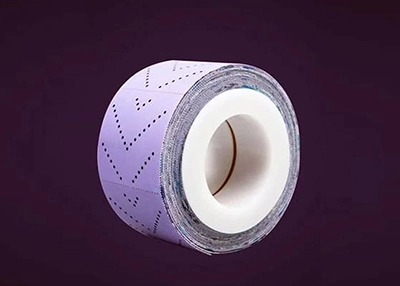
Unlike traditional abrasive discs with limited dust evacuation paths, net sanding discs feature an open mesh structure that allows sanding particles to move away from the working surface more efficiently. This design helps reduce clogging, improve abrasive utilization, and create a more stable sanding experience across different materials and applications.
As finishing requirements continue becoming more demanding in industries such as automotive repair, woodworking, composite processing, and industrial surface preparation, advanced abrasive technologies are helping professionals achieve higher efficiency with fewer interruptions. Fujistar Abrasives provides various abrasive solutions designed for modern finishing requirements, allowing users to explore suitable options through the Fujistar Abrasives product solutions.
Dust management has always been one of the biggest challenges in sanding operations. Traditional abrasive discs can accumulate sanding particles between abrasive grains, causing loading, reducing cutting efficiency, and creating additional cleanup requirements. By improving airflow and dust extraction, net sanding discs provide a more effective approach to maintaining cleaner working conditions.
The open structure of a sanding net allows dust particles to pass through the abrasive surface instead of becoming trapped around the cutting area. When connected with suitable vacuum extraction equipment, this structure helps remove sanding debris continuously during operation.
Better dust evacuation provides several practical advantages. Operators can maintain clearer visibility of the working surface, reducing the risk of uneven sanding caused by accumulated debris. A cleaner environment also supports improved workplace comfort and helps reduce the amount of airborne particles generated during finishing processes.
For professional users, dust control is not only related to cleanliness but also directly affects workflow efficiency. Reducing dust buildup means fewer abrasive interruptions, less manual cleaning, and more consistent performance throughout longer sanding sessions.
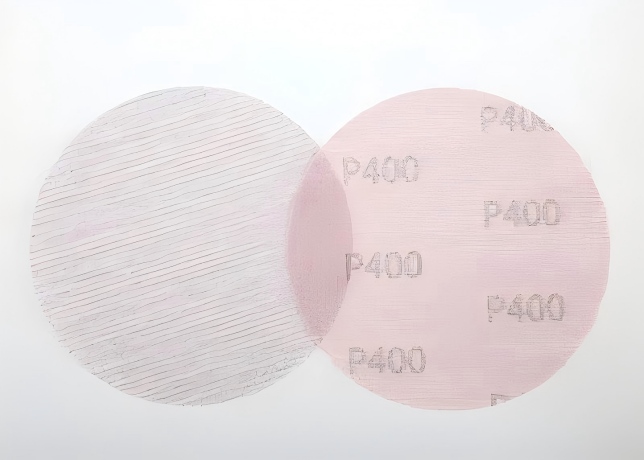
The key feature that separates net sanding discs from conventional abrasive products is their open mesh backing structure. Instead of relying on a solid surface, the abrasive layer is supported by a network design that creates multiple pathways for dust removal.
This structure improves the interaction between abrasive grains and the workpiece. Since sanding debris is removed more effectively, fresh abrasive grains remain exposed and continue contributing to the cutting process. This helps maintain sanding efficiency and reduces premature abrasive failure caused by clogging.
A traditional abrasive disc may lose performance when removed material accumulates on the surface. In comparison, a sanding net helps maintain more stable cutting behavior because the working surface remains cleaner during operation.
The open mesh design also contributes to longer abrasive life. By reducing heat buildup and preventing excessive loading, net sanding discs can often provide more consistent performance over extended use. This makes them particularly valuable for professionals who need reliable results across multiple sanding stages.
| Performance Factor | Net Sanding Discs | Traditional Abrasive Discs |
|---|---|---|
| Dust Extraction | Open mesh structure allows efficient dust movement | Dust may accumulate on the abrasive surface |
| Loading Resistance | Reduced clogging due to improved particle evacuation | Higher risk of loading in demanding applications |
| Surface Consistency | Supports more stable sanding performance | Performance may decrease as debris builds up |
| Working Environment | Helps create cleaner sanding conditions | May require additional dust management |
| Application Efficiency | Suitable for longer continuous sanding processes | May require more frequent cleaning or replacement |
Surface quality depends heavily on consistency. Uneven pressure, abrasive loading, and inconsistent cutting behavior can create visible defects that require additional finishing steps. This is where net sanding discs provide an advantage by maintaining a more stable sanding process.
Because dust removal remains more efficient, the abrasive surface can continue cutting more evenly. This helps reduce common finishing problems such as uneven scratch patterns, surface contamination, and inconsistent material removal.
In applications where surface appearance is important, maintaining predictable sanding performance can significantly improve final results. Automotive refinishing, furniture production, and composite finishing often require smooth transitions and uniform textures before coating or polishing stages.
A sanding net can also support multi-stage finishing processes because it maintains reliable performance across different sanding pressures and operating conditions. This makes it easier for operators to achieve repeatable results without frequently adjusting their workflow.
Modern finishing workflows are increasingly focused on efficiency, repeatability, and reduced process interruptions. In this environment, net sanding discs provide advantages that align well with professional production requirements.
Whether used in manual sanding operations or combined with automated equipment, these abrasives support smoother workflows by reducing downtime related to dust buildup and abrasive replacement. Their ability to maintain cutting performance makes them suitable for users who need consistent results across large projects.
Another advantage is versatility. A high-quality sanding net can be used across various materials, including wood, metal, composites, painted surfaces, and other industrial substrates. This flexibility allows professionals to simplify abrasive selection while maintaining finishing quality.
Fujistar Abrasives focuses on supporting different industrial finishing requirements by offering abrasive solutions designed around real application challenges. By selecting suitable abrasive structures and specifications, users can improve workflow efficiency while achieving the surface quality required for their projects.
Choosing the correct net sanding discs requires understanding the material being processed, the desired surface finish, and the specific stage of the sanding workflow. Different applications may require different abrasive characteristics to achieve optimal results.
For initial surface preparation, users typically require abrasives that provide efficient material removal while maintaining good control. During intermediate sanding stages, consistent scratch patterns become more important because they influence the quality of later finishing processes. For final refinement, finer abrasive options are often selected to create smoother surfaces.
| Application Stage | Recommended Focus | Benefit of Net Sanding Discs |
|---|---|---|
| Material removal | Cutting efficiency and durability | Open structure helps maintain effective cutting |
| Surface preparation | Balanced sanding performance | Reduces loading and improves consistency |
| Fine finishing | Surface uniformity | Supports controlled scratch patterns |
| Long sanding operations | Stable performance over time | Improves abrasive lifespan and workflow efficiency |
Material type is another important consideration. Wood, automotive coatings, plastics, and metals each respond differently during sanding. Selecting the appropriate sanding net specification helps ensure better performance and prevents unnecessary surface correction.
For businesses unsure which abrasive solution best matches their process requirements, professional consultation can help reduce trial-and-error selection and improve overall efficiency.
The adoption of net sanding discs is growing across many professional applications because industries are looking for cleaner, faster, and more consistent finishing methods.
In automotive refinishing, these abrasives help technicians prepare surfaces efficiently while improving dust management during repair processes. In woodworking, they support smoother sanding operations by reducing clogging when working with materials that generate large amounts of dust.
Industrial manufacturers also benefit from sanding net technology when producing components that require consistent surface preparation before painting, coating, or assembly. The ability to maintain stable abrasive performance helps improve production efficiency and reduce finishing defects.
As finishing standards continue increasing, the role of advanced abrasive technologies will become even more important. Companies that select suitable abrasive solutions can achieve better productivity while creating cleaner and more controlled working environments.
For application-specific abrasive recommendations, users can connect with Fujistar Abrasives through the Fujistar Abrasives contact to discuss suitable solutions based on material, process requirements, and finishing goals.
The development of net sanding discs represents an important step forward in abrasive technology. By combining efficient dust extraction, improved cutting stability, and longer working performance, these abrasives help professionals optimize modern finishing workflows.
Compared with traditional abrasive solutions, sanding net technology provides advantages in cleaner operation, reduced loading, and more consistent surface results. These benefits make it increasingly valuable for industries where productivity and finishing quality are equally important.
As manufacturing and finishing requirements continue evolving, selecting the right abrasive technology will play a critical role in improving efficiency. With advanced solutions and application-focused support, Fujistar Abrasives helps users achieve more reliable finishing performance across different professional environments.
Net sanding discs are used for surface preparation, finishing, and material removal applications where efficient dust extraction and consistent sanding performance are required.
A sanding net uses an open mesh structure that allows sanding dust to pass through the abrasive surface more effectively.
Net sanding discs provide advantages in dust control, clog resistance, and consistent performance, especially in demanding professional applications.
Yes. Sanding net products can be used for materials such as wood, metal, coatings, plastics, and composites depending on the abrasive specification.
Professionals choose them because improved dust evacuation helps maintain cutting efficiency and extend abrasive working life.
Selection should consider the material type, required finish level, sanding stage, and desired balance between cutting performance and surface control.