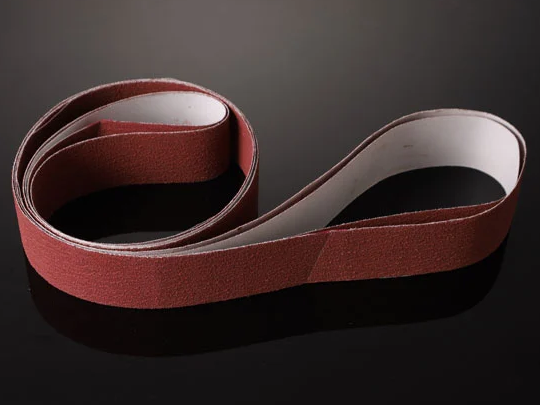
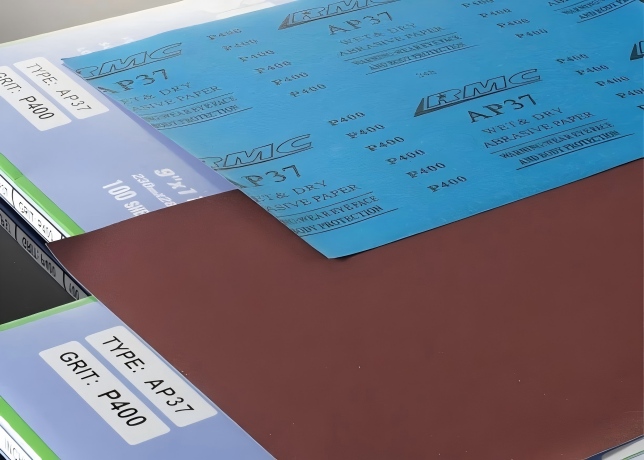
Driven by the rapid transformation of global manufacturing, the abrasives industry is entering a new stage where precision, efficiency, and sustainability are becoming core priorities. No longer considered simple consumable materials, modern abrasives now play an important role in determining production accuracy, surface quality, and overall manufacturing performance.
Facing increasing demands from automotive, aerospace, electronics, and precision engineering sectors, manufacturers are seeking abrasive solutions that can deliver consistent results under more complex working conditions. From advanced abrasive grains and improved backing technologies to automated production compatibility, the development of abrasives is closely connected with the evolution of modern manufacturing processes.
Responding to these changing industrial requirements, Fujistar Abrasives continues to follow global abrasive technology trends by providing solutions designed for different finishing applications. By understanding material characteristics, process requirements, and surface quality expectations, users can explore suitable options through the Fujistar Abrasives product solutions and identify abrasive technologies that better support their production goals.
Transforming traditional finishing methods, advanced abrasive materials are becoming a major driving force behind improvements in modern manufacturing. As industries adopt harder alloys, composite materials, and precision-engineered components, conventional abrasive solutions are often required to deliver higher cutting efficiency and better surface control.
The development of engineered abrasive grains, optimized bonding technologies, and improved backing structures has significantly expanded the capabilities of modern abrasive products. These innovations allow abrasives to maintain stable performance while handling demanding applications that require controlled material removal and consistent finishing results.
Within the abrasives industry, material innovation is no longer focused only on increasing cutting speed. Manufacturers are increasingly looking for a balance between productivity, surface quality, durability, and operational efficiency. A high-performance abrasive can reduce processing time, lower replacement frequency, and improve the stability of the entire finishing workflow.
Modern abrasives manufacturers are also moving toward application-focused development. Different industries require different abrasive characteristics depending on material hardness, production conditions, and final surface requirements. This shift has encouraged abrasive suppliers to develop more specialized solutions instead of relying on general-purpose products.
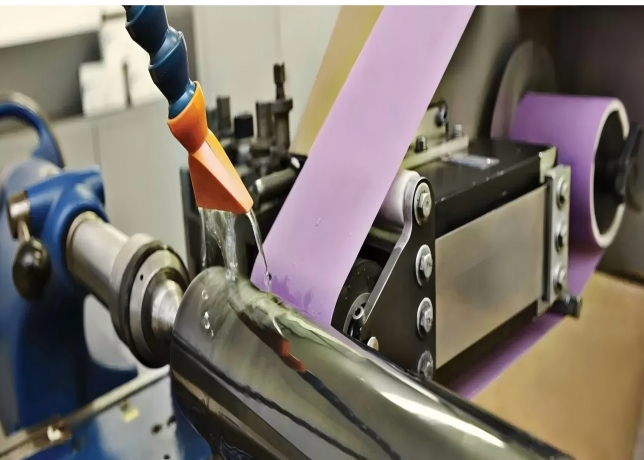
Increasing precision requirements are reshaping how manufacturers evaluate abrasive performance. In today’s production environment, surface finishing is not simply about removing excess material; it is about achieving predictable results that meet strict quality standards.
The abrasives industry is responding to this demand by developing products that provide better scratch pattern control, improved grain distribution, and more consistent finishing behavior. These characteristics are especially important in industries where surface variations can affect coating adhesion, assembly accuracy, or product appearance.
For precision manufacturing, even minor inconsistencies during finishing can lead to additional processing steps and increased production costs. As a result, manufacturers are increasingly selecting abrasives based on total process value rather than only initial purchasing costs.
Advanced abrasive technologies help improve repeatability by maintaining stable performance throughout the working cycle. This allows manufacturers to achieve more uniform surfaces while reducing rework caused by inconsistent finishing results.
Integrating automation into manufacturing processes is creating new expectations for abrasive performance. As factories adopt robotic finishing systems, automated production lines, and intelligent monitoring technologies, abrasives must provide reliable results with minimal human adjustment.
Automated production environments depend on consistency. Variations in abrasive wear rate, cutting performance, or surface results can interrupt production efficiency and affect final product quality. Therefore, modern abrasives must deliver predictable behavior throughout extended operating periods.
The relationship between abrasives and smart manufacturing is becoming increasingly connected. Production managers now evaluate abrasive performance through measurable factors such as service life, material removal efficiency, and process stability. This trend is encouraging abrasives manufacturers to develop products that better support automated manufacturing systems.
| Manufacturing Development | New Abrasive Requirements | Industry Response |
|---|---|---|
| Automated finishing systems | Stable performance and predictable wear | Development of more consistent abrasive structures |
| Precision manufacturing | Higher surface control and repeatability | Improved grain technology and finishing capability |
| Sustainable production | Reduced waste and longer product lifespan | More efficient abrasive solutions |
| Advanced engineering materials | Better processing ability for difficult surfaces | Higher-performance abrasive technologies |
As smart production continues expanding globally, abrasive selection is becoming an important part of manufacturing optimization rather than a routine consumable decision.
Prioritizing sustainability, manufacturers across industries are looking for ways to reduce waste, improve energy efficiency, and optimize resource utilization. These goals are also influencing the future direction of the abrasives industry.
Longer-lasting abrasive products can contribute to sustainability by reducing replacement frequency and lowering material consumption. When abrasives maintain effective cutting performance for longer periods, manufacturers can achieve productivity improvements while reducing unnecessary waste.
For abrasives manufacturers, sustainability involves more than improving product lifespan. It also includes evaluating production efficiency, material utilization, and the overall environmental impact of abrasive solutions.
Efficient abrasive selection can also support greener manufacturing practices. Using the appropriate abrasive for a specific application can reduce excessive processing steps, minimize energy consumption, and improve overall workflow efficiency.
Expanding applications in automotive, aerospace, and precision manufacturing are creating some of the strongest demands for abrasive innovation. These industries increasingly rely on lightweight materials, advanced composites, and engineered surfaces that require specialized finishing solutions.
In automotive manufacturing, the transition toward electric vehicles has introduced new material challenges. Battery components, lightweight structures, and advanced surface treatments require abrasives that can provide reliable finishing performance without damaging sensitive materials.
Aerospace manufacturing requires even greater control because components must meet strict performance and safety requirements. Materials such as titanium alloys and composite structures often require abrasive technologies that provide controlled removal while maintaining surface integrity.
Precision industries, including electronics and medical equipment manufacturing, continue pushing abrasive development toward higher accuracy. These applications require consistent finishing results because small surface defects can influence product reliability and performance.
Supporting these evolving industrial needs, Fujistar Abrasives focuses on providing abrasive solutions suitable for different manufacturing environments. Understanding application requirements allows users to select products that better match their production challenges.
Looking beyond 2026, abrasive technology is expected to continue evolving toward smarter, more efficient, and more sustainable solutions. The future development of the abrasives industry will likely be influenced by advances in materials science, automation, and data-driven manufacturing.
Future abrasive systems may become increasingly connected with production monitoring technologies. By analyzing abrasive performance data, manufacturers could optimize replacement cycles, improve process efficiency, and reduce unexpected production interruptions.
Another important direction will be the continued development of abrasives designed for next-generation materials. As industries introduce more complex alloys, composites, and engineered surfaces, abrasive technologies will need to adapt accordingly.
The role of abrasives manufacturers will continue expanding from product providers to technical partners that help customers solve specific finishing challenges. Companies that combine material expertise with application knowledge will be better positioned to support future manufacturing demands.
For businesses requiring professional guidance on abrasive selection and application requirements, Fujistar Abrasives provides technical support through the Fujistar Abrasives contact , helping users identify suitable abrasive solutions for their production needs.
The evolution of the abrasives industry in 2026 reflects the broader transformation of global manufacturing. Advanced materials, precision requirements, automation, and sustainability are redefining how abrasive products are developed and applied.
Modern abrasives manufacturers are no longer focused only on improving cutting performance. They are creating solutions that support higher productivity, better surface consistency, reduced waste, and smarter manufacturing processes.
As industrial requirements continue becoming more complex, abrasives will remain a critical part of manufacturing innovation. Selecting the right abrasive technology will help companies improve efficiency, maintain quality standards, and prepare for the next stage of industrial development.
The major trends include advanced abrasive materials, higher precision finishing, automation compatibility, sustainability, and improved resource efficiency.
Advanced abrasive materials provide better cutting performance, longer service life, and more consistent finishing results for demanding applications.
Automation requires abrasives with stable performance, predictable wear patterns, and consistent results to support continuous production.
Abrasives manufacturers focus on improving efficiency, durability, surface control, sustainability, and application-specific performance.
Sustainable abrasive solutions help reduce waste, extend product lifespan, and improve resource efficiency during manufacturing processes.
Future abrasive technology is expected to become smarter, more sustainable, and better integrated with automated manufacturing systems.