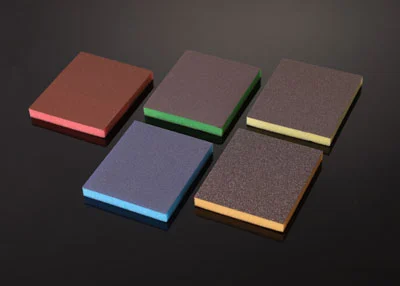
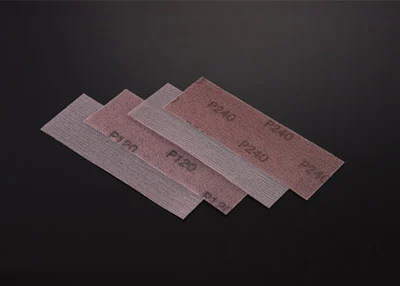
A sanding operation may only last a few seconds on an automated production line, but the abrasive interface behind that process determines whether those seconds are repeated with precision or interrupted by adjustments. When a sanding disc moves out of position, requires frequent manual replacement, or delivers inconsistent contact pressure, the impact can extend far beyond the abrasive itself. A PSA sanding disc helps solve these challenges by providing a stable attachment method designed for efficient and repeatable finishing operations.
The value of a PSA sanding disc is not simply the adhesive layer on the back of the abrasive. Its real advantage lies in how the complete design supports automated workflows, allowing abrasive changes to be completed quickly while maintaining reliable contact between the disc and the work surface. This makes self-adhesive abrasives a practical option for manufacturers focusing on process consistency and production efficiency.
With increasing demand for automated grinding, polishing, and surface preparation, abrasive selection has become closely connected with equipment performance. Fujistar Abrasives develops abrasive solutions for industrial users seeking reliable finishing results across different automated processing environments.
Automated abrasive processes depend on repeatability. Whether the application involves robotic sanding, CNC finishing, or continuous surface treatment, every abrasive component must maintain stable performance throughout multiple processing cycles. An unstable abrasive connection can create uneven finishing results, increase adjustment requirements, and reduce overall production efficiency.
A PSA sanding disc supports automated operations by using a pressure-sensitive adhesive backing that allows direct attachment to a compatible sanding pad. This design eliminates the need for additional fastening steps and provides a consistent connection between the abrasive disc and the equipment interface.
For production environments where abrasive replacement occurs frequently, the quick attachment method can help simplify workflow management. Operators can replace worn abrasives more efficiently, reducing unnecessary interruptions and allowing machines to return to operation faster.
The secure attachment of PSA abrasives also helps maintain consistent contact during sanding. When the disc remains properly positioned during rotation or movement, abrasive grains can interact with the workpiece more evenly, supporting improved surface uniformity.
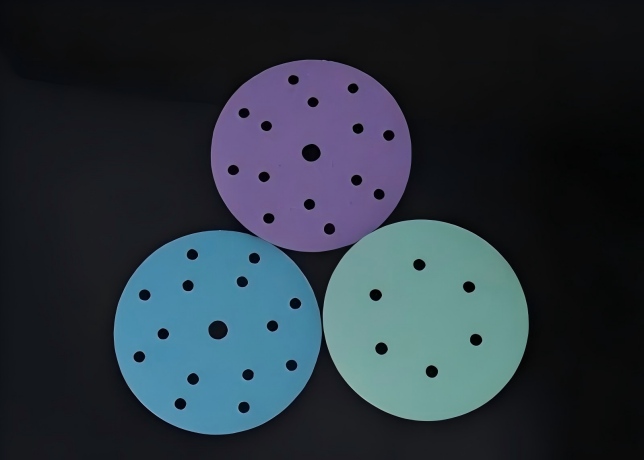
The effectiveness of a PSA sanding disc depends on the balance between adhesive strength, abrasive performance, and removal convenience. The backing system must hold the abrasive securely during operation while still allowing efficient replacement when the disc reaches the end of its usable life.
Pressure-sensitive adhesive technology creates a bond between the sanding disc and the supporting pad through applied pressure. This simple attachment method provides several advantages in industrial environments where speed and consistency are important.
A properly designed adhesive layer helps reduce disc movement during sanding, which can improve process stability. At the same time, the abrasive must be removable without excessive effort to prevent longer maintenance procedures during production.
Professional self adhesive abrasive film manufacturers focus on optimizing the relationship between adhesive formulation, abrasive grain distribution, and backing materials. These factors influence how well the abrasive performs under different operating conditions, including rotational speed, pressure levels, and surface requirements.
| Performance Factor | PSA Sanding Disc | Traditional Abrasive Disc |
|---|---|---|
| Attachment Method | Pressure-sensitive adhesive backing provides direct attachment | Usually requires additional fastening systems |
| Replacement Process | Quick installation and removal during abrasive changes | May require more adjustment during replacement |
| Operational Stability | Secure bonding helps maintain consistent sanding contact | Performance depends on fastening method and setup |
| Automation Compatibility | Suitable for repeated industrial sanding operations | Depends on equipment and attachment requirements |
Not every sanding application requires the same abrasive attachment method. The choice between PSA abrasives and other disc systems depends on factors such as production speed, replacement frequency, surface requirements, and equipment design.
A PSA sanding disc is particularly useful in automated production lines where reducing changeover time and maintaining process consistency are important goals. In high-volume manufacturing environments, frequent abrasive replacement can become a significant operational consideration.
Self-adhesive abrasives are also beneficial when surface finishing quality needs to remain consistent across repeated workpieces. Because the disc maintains stable contact with the sanding support, operators can achieve more predictable results without frequent repositioning.
Robotic sanding systems, automated polishing equipment, and CNC-based finishing processes often require abrasive products that match precise operating conditions. Selecting an appropriate PSA abrasive solution can help manufacturers improve workflow efficiency while maintaining surface quality.
Fujistar Abrasives provides a range of abrasive solutions for different industrial finishing requirements. Users can review suitable abrasive options and application categories through the company's abrasive product range when evaluating solutions for automated processing needs.
In industrial sanding applications, abrasive attachment involves a balance between reliability and convenience. A disc that does not remain stable during operation may affect surface quality, while a disc that is difficult to remove can increase downtime during abrasive replacement.
A PSA sanding disc is designed to provide both secure attachment and practical replacement efficiency. The adhesive backing keeps the abrasive positioned correctly during sanding, helping maintain consistent contact with the workpiece. At the same time, the disc can be removed and replaced when necessary without requiring complex tools or additional fastening procedures.
This balance is especially valuable in automated environments where production schedules depend on predictable maintenance intervals. Faster abrasive replacement allows operators to spend less time on setup adjustments and more time maintaining continuous production output.
The performance of self-adhesive abrasives also depends on selecting the correct product specification for the application. Factors such as machine speed, sanding pressure, workpiece material, and required surface finish all influence whether a particular PSA abrasive solution can deliver optimal results.
Selecting the appropriate PSA sanding disc requires a clear understanding of the production environment and finishing objectives. Different automated systems may require different abrasive characteristics depending on the material being processed and the desired surface condition.
Abrasive grain type is one important consideration. Different abrasive grains provide different cutting characteristics, making them suitable for various materials such as metals, composites, wood products, and industrial components. Choosing the correct grain structure helps achieve the desired balance between material removal efficiency and surface refinement.
Grit size also plays an important role in automated sanding performance. Coarser grits are generally used when faster material removal is required, while finer grits are more suitable for finishing operations where smoother surfaces are needed. Using the correct grit sequence helps prevent unnecessary surface damage while improving processing efficiency.
The adhesive system and backing material should also match the automation requirements. Applications involving continuous rotation, vibration, or repeated movement require abrasives that can maintain reliable attachment throughout operation.
Fujistar Abrasives supports customers in evaluating abrasive requirements according to equipment conditions, material characteristics, and finishing goals. For additional guidance on selecting suitable abrasive solutions, users can communicate with the technical team through the Fujistar Abrasives contact channel.
The flexibility and reliability of PSA sanding discs make them suitable for various industrial applications where consistent surface finishing is required. Their convenient attachment method and stable sanding performance allow them to support both automated production and precision finishing processes.
In automotive manufacturing, PSA abrasives are often used for surface preparation, paint finishing, and component refinement. Automated sanding systems require abrasive products that can maintain uniform performance across multiple production cycles, making adhesive-backed discs a practical option.
In metal fabrication and industrial equipment manufacturing, a PSA sanding disc can help remove machining marks, smooth surface transitions, and prepare components for additional treatments such as coating or assembly.
Precision industries also benefit from self-adhesive abrasives because consistent surface conditions are often necessary for product reliability. Electronics components, engineered parts, and specialized equipment may require controlled finishing processes where abrasive stability directly affects final quality.
The continued development of automation has increased demand for abrasive products that combine performance with operational convenience. As experienced self adhesive abrasive film manufacturers continue improving abrasive structures and adhesive technologies, PSA solutions remain an important option for modern industrial finishing systems.
A PSA sanding disc provides a practical solution for automated abrasive processes where stable attachment, efficient replacement, and consistent finishing performance are required. By combining abrasive technology with pressure-sensitive adhesive backing, these discs help manufacturers improve workflow efficiency while maintaining reliable surface results.
From robotic sanding systems to industrial surface preparation operations, self-adhesive abrasives offer advantages in applications where reducing downtime and improving process consistency are important. Selecting the right abrasive specification, adhesive performance, and grit structure allows users to achieve better results across different automation environments.
With experience in abrasive development and industrial finishing applications, Fujistar Abrasives provides solutions designed to meet diverse processing requirements. Choosing suitable abrasive products can help manufacturers improve production stability, simplify maintenance procedures, and achieve consistent finishing quality.
A PSA sanding disc is used for surface preparation, finishing, polishing, and material removal applications where quick attachment and stable abrasive performance are required.
A PSA sanding disc uses a pressure-sensitive adhesive backing that bonds directly to a compatible sanding pad or support surface.
They provide stable attachment, fast abrasive replacement, and consistent performance, making them suitable for repeated automated sanding operations.
Important factors include abrasive grain type, grit size, backing material, adhesive strength, workpiece material, and required surface finish.
Yes. Their quick replacement process and stable attachment make them suitable for many high-volume industrial finishing applications.
Self adhesive abrasive film manufacturers develop abrasive structures and adhesive systems that influence attachment reliability, cutting performance, and overall application results.