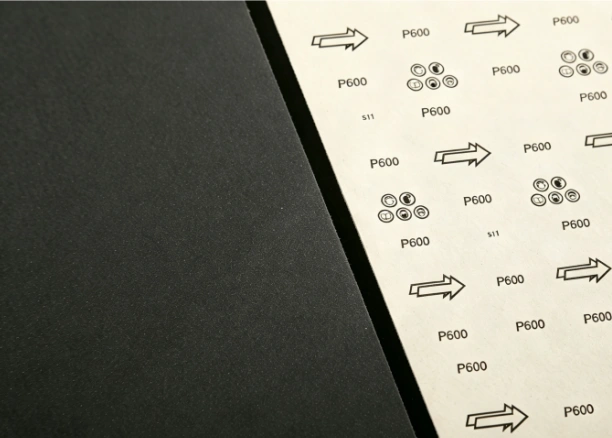
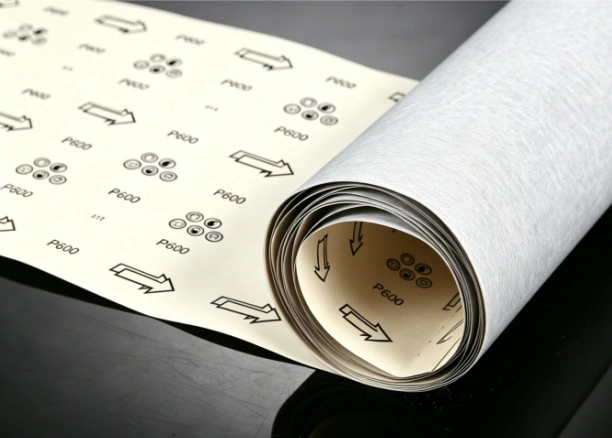
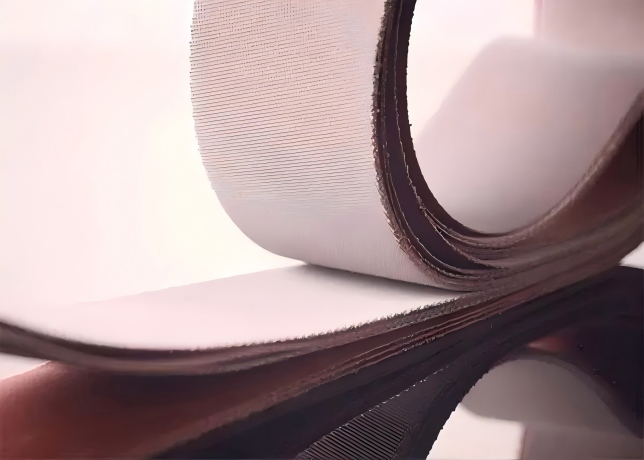
A perfectly finished surface is rarely achieved by using the finest abrasive available from the beginning. In many professional sanding processes, the difference between an average result and a high-quality finish comes down to choosing the right abrasive sequence at the right time. Selecting between 1000 grit wet sandpaper, 1500 grit wet sandpaper, and 2000 grit options is not simply a matter of choosing a higher number—it is about controlling how much material is removed and how smoothly the surface transitions toward the final finish.
Every surface tells a different story. Deep sanding marks, coating imperfections, machining traces, and uneven textures require different levels of abrasive action before they can be transformed into a refined finish. 1000 grit wet sandpaper may provide the cutting ability needed for correction, while 1500 grit wet sandpaper helps bridge the gap between surface repair and final polishing.
Fujistar Abrasives provides abrasive solutions for professionals who need reliable surface preparation performance. By understanding the science behind grit selection, users can build more efficient sanding processes and achieve consistent results across automotive, industrial, and precision finishing applications.
The number printed on sandpaper is more than a product specification. Grit size determines how aggressively abrasive particles interact with a surface and directly influences the relationship between material removal speed and final smoothness.
Lower grit abrasives generally contain larger abrasive particles that remove material faster, making them suitable for correction work. Higher grit abrasives use smaller particles that create finer scratches and smoother surface conditions. The challenge for professionals is finding the correct balance between removing imperfections efficiently and avoiding unnecessary surface damage.
1000 grit wet sandpaper is commonly used when a surface requires controlled correction rather than heavy material removal. It provides enough cutting ability to remove moderate imperfections while preparing the surface for finer sanding stages.
After initial correction, 1500 grit wet sandpaper helps refine the surface by reducing previous sanding marks and creating a more consistent texture. This makes it an important transition step before final polishing or coating preparation.
Choosing the correct grit sequence allows users to avoid two common problems: using abrasives that are too aggressive and create unnecessary scratches, or using abrasives that are too fine and extend processing time without improving efficiency.
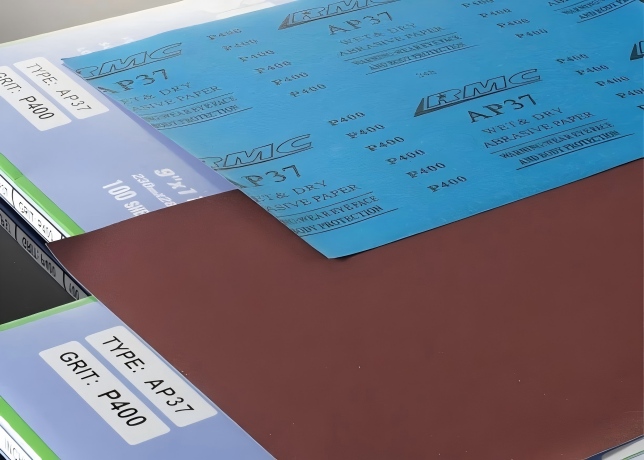
The differences between 1000, 1500, and 2000 grit wet sandpaper are mainly reflected in cutting efficiency, scratch refinement ability, and their position within the overall finishing process.
| Grit Level | Primary Function | Recommended Stage | Surface Effect |
|---|---|---|---|
| 1000 Grit | Controlled correction and moderate material removal | Intermediate sanding | Removes imperfections and prepares the surface for finer grits |
| 1500 Grit | Scratch refinement and surface smoothing | Fine preparation | Creates a more uniform surface before final finishing |
| 2000 Grit | Final refinement and polishing preparation | Ultra-fine finishing | Produces a smoother surface with minimal visible sanding marks |
1000 grit wet sandpaper is often selected during the stage where visible defects still need correction. It offers a practical balance between cutting performance and surface control, making it suitable for preparing surfaces before moving to finer abrasives.
1500 grit wet sandpaper performs a different role. Rather than focusing primarily on material removal, it helps refine the existing surface condition. This makes it useful for reducing sanding patterns and creating a smoother base for polishing or final finishing.
2000 grit wet sandpaper is typically reserved for later finishing stages when the goal is maximizing surface smoothness rather than removing significant material. Starting with an excessively fine abrasive may increase processing time because the cutting action is much slower.
Fujistar Abrasives offers different abrasive solutions for various finishing requirements. Users can explore suitable products and abrasive options through the company's abrasive product selection when comparing solutions for different surface preparation processes.
Precision surface preparation requires careful control because the sanding process directly influences the quality of the final result. Whether preparing automotive coatings, industrial components, or specialty materials, improper grit selection may lead to uneven finishes, excessive sanding time, or visible surface defects.
1000 grit wet sandpaper is frequently used when professionals need to correct surface irregularities while maintaining control over the amount of material removed. It can help smooth imperfections and establish a consistent foundation for subsequent sanding steps.
Moving from 1000 grit wet sandpaper to 1500 grit wet sandpaper creates a gradual refinement process. Instead of attempting to eliminate large defects and achieve final smoothness in one step, progressive sanding allows each grit level to perform its intended function more efficiently.
Wet sanding provides additional advantages by reducing heat buildup and helping remove sanding debris from the working area. This allows abrasive particles to maintain more consistent contact with the surface and supports improved finishing accuracy.
A successful finishing process usually follows a gradual progression rather than relying on a single abrasive grade. Each grit level has a specific role, and using abrasives in the correct sequence helps create smoother transitions between surface correction and final polishing.
During the early refinement stage, 1000 grit wet sandpaper is often used to remove moderate imperfections, blend surface irregularities, and reduce visible defects. It provides enough cutting ability to improve the surface condition while maintaining better control compared with more aggressive abrasives.
Once the major imperfections have been corrected, 1500 grit wet sandpaper becomes valuable for refining the remaining scratch pattern. Its finer abrasive particles help create a more uniform surface and prepare the material for ultra-fine finishing stages.
For applications requiring maximum smoothness, 2000 grit wet sandpaper is commonly used as a final preparation step before polishing or coating. At this stage, the focus shifts from material correction to surface refinement, helping achieve a cleaner and more visually consistent finish.
The correct progression between grit levels depends on the starting surface condition, material type, and final quality requirements. A professional approach to grit selection reduces unnecessary steps while improving finishing efficiency.
Although grit size is one of the most important factors when selecting wet sandpaper, it is not the only consideration. Professional finishing results depend on multiple variables, including abrasive material, backing type, application method, and workpiece characteristics.
The material being processed plays a major role in abrasive selection. Different surfaces react differently to sanding pressure and abrasive action. Automotive coatings, metal components, plastics, composites, and other industrial materials may require different sanding approaches to achieve optimal results.
Backing flexibility is another important factor. A flexible abrasive backing can improve contact on curved or irregular surfaces, while a stronger backing may provide better control during flat surface applications. Choosing the right construction helps maintain consistent abrasive performance throughout the process.
The sanding environment also affects performance. Wet sanding conditions help control heat and remove debris, but users still need to select abrasives that match their specific working requirements. The combination of correct grit, suitable abrasive structure, and proper technique determines the overall finishing quality.
Fujistar Abrasives helps users evaluate abrasive solutions based on different application conditions and surface requirements. For additional technical discussion about choosing suitable wet sanding products, customers can connect with the team through the Fujistar Abrasives contact channel.
Fine grit wet sandpaper is widely used in professional finishing applications where surface appearance and consistency are important. Its ability to refine scratches and create smoother textures makes it valuable in industries requiring careful surface control.
In automotive refinishing, 1500 grit wet sandpaper and finer abrasives are often used for surface preparation before polishing or coating processes. These abrasives help create a smoother transition between repaired areas and surrounding surfaces, improving the overall appearance of the finished component.
In industrial manufacturing, fine grit wet sandpaper supports precision surface treatment for components where small imperfections may influence performance or appearance. Controlled sanding helps improve surface uniformity while maintaining dimensional accuracy.
In applications involving decorative surfaces, optical components, and specialty materials, finer abrasives such as 1500 grit wet sandpaper and 2000 grit options provide the refinement needed for high-quality finishes.
As industries continue to demand improved surface standards, the role of carefully selected abrasive solutions becomes increasingly important. Understanding the difference between grit levels allows professionals to achieve better results with fewer unnecessary processing steps.
Choosing between 1000 grit wet sandpaper, 1500 grit wet sandpaper, and 2000 grit options is not simply about selecting a higher or lower number. Each grit level serves a specific purpose in the finishing process, from controlled material removal to surface refinement and final polishing preparation.
By understanding how grit size affects cutting performance, scratch patterns, and surface smoothness, professionals can create more efficient sanding processes. Progressive grit selection helps improve consistency, reduce rework, and achieve better finishing quality across different applications.
Fujistar Abrasives provides abrasive solutions designed for various industrial and professional finishing requirements. Selecting the right abrasive product based on material, application, and desired surface condition allows users to maximize performance and achieve reliable results.
1000 grit wet sandpaper is mainly used for intermediate sanding, surface correction, and removing moderate imperfections before moving to finer abrasives.
1500 grit wet sandpaper is typically used after initial sanding to refine scratches and prepare the surface for polishing or final finishing.
Not necessarily. A higher grit provides a smoother finish but removes material more slowly. The correct choice depends on the current surface condition and finishing stage.
Yes, if the surface already has minor imperfections. However, deeper scratches or uneven areas may require a coarser grit before using 1500 grit.
Wet sanding helps reduce heat buildup, remove sanding residue, and maintain more consistent abrasive contact with the surface.
The choice depends on the material, surface condition, required finish quality, and the stage of the sanding process. A progressive grit approach usually provides the best results.