A sanding disc that suddenly loses its grip can interrupt an entire finishing process. When operators encounter the problem of velcro sanding discs not sticking, the issue is rarely caused by the abrasive material alone. The actual cause may involve the hook and loop structure, backing pad condition, equipment compatibility, surface contamination, or incorrect maintenance practices.
Velcro-backed sanding systems are widely used because they provide fast abrasive replacement and flexible operation. However, the performance of velcro sandpaper depends on the interaction between the abrasive disc and the supporting backup system. Even a high-quality sanding disc cannot perform effectively if the attachment surface is worn, damaged, or incompatible.
Understanding why velcro sanding discs not sticking occurs helps professionals reduce downtime, improve sanding efficiency, and extend the service life of their abrasive tools. Fujistar Abrasives provides a range of abrasive solutions designed for reliable surface preparation across different industrial and commercial applications.
The most common reason behind velcro sanding discs not sticking is a failure in the connection between the abrasive disc and the backup pad. A hook and loop system depends on thousands of small hooks and loops creating a secure mechanical attachment. When this connection becomes weaker, the sanding disc may move, detach, or lose stability during operation.
One common cause is normal wear. Over time, repeated attachment and removal can reduce the effectiveness of the hook and loop surfaces. When the hooks become flattened or the loops become damaged, the connection strength decreases.
Contamination is another major factor. Dust, metal particles, paint residue, oil, and other debris can accumulate between the disc and backing pad. This prevents the hooks and loops from engaging properly and reduces the holding force of velcro sandpaper.
Excessive heat can also affect performance. High-speed sanding generates friction, and prolonged operation under heavy pressure may weaken the backing materials or reduce attachment reliability. Proper sanding pressure and suitable operating conditions are important for maintaining consistent performance.
| Common Issue | Possible Cause | Recommended Solution |
|---|---|---|
| Disc loses grip during sanding | Worn hook and loop surface | Replace damaged backup pads or abrasive discs |
| New discs fail to attach properly | Dust or contamination on the backing surface | Clean the pad and abrasive connection area |
| Uneven sanding performance | Incorrect pad compatibility or excessive pressure | Check equipment settings and sanding method |
| Frequent disc replacement | Poor maintenance or unsuitable operating conditions | Improve cleaning routines and select suitable abrasive products |
The performance of velcro sandpaper depends heavily on the quality and design of the hook and loop system. Although different sanding discs may look similar, variations in hook density, loop structure, backing material, and manufacturing quality can significantly influence holding strength.
A well-designed hook and loop system creates a balanced connection between secure attachment and easy removal. If the hooks are too weak, the disc may detach during operation. If the system is poorly matched with the backup pad, the connection may not provide sufficient stability.
When users experience velcro sanding discs not sticking, checking the compatibility between the abrasive disc and backup pad is an important troubleshooting step. A disc and pad designed to work together will provide stronger attachment and more predictable sanding results.
The condition of the abrasive backing also matters. High-quality velcro sandpaper requires a durable backing layer that maintains its structure during repeated use. Damage to the backing can reduce attachment performance even when the abrasive grain itself remains functional.
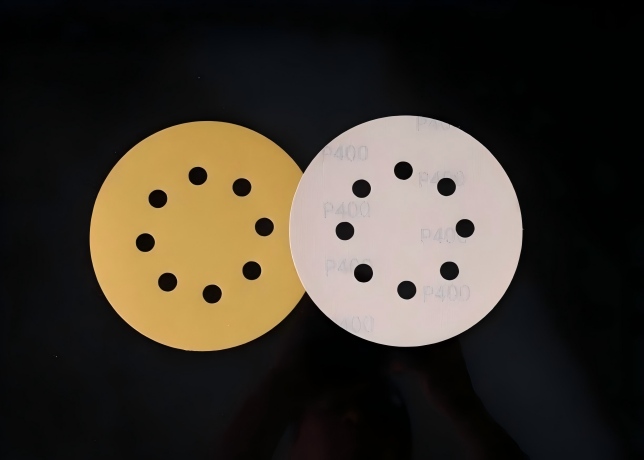
Many attachment problems are caused by simple maintenance issues that are easy to overlook. Regular inspection and cleaning of the sanding system can significantly improve performance and reduce unexpected failures.
One important maintenance step is keeping the backup pad clean. Dust buildup prevents proper contact between the hook and loop surfaces. After each sanding operation, removing accumulated particles helps maintain stronger attachment.
Operators should also inspect backup pads regularly for signs of wear. A damaged pad may have uneven surfaces, missing hooks, or reduced flexibility, all of which can contribute to velcro sanding discs not sticking.
Another common mistake is reusing abrasive discs beyond their effective working life. While extending abrasive usage may appear cost-effective, worn hook and loop surfaces can create instability and reduce overall sanding efficiency.
Fujistar Abrasives offers various abrasive solutions suitable for different working conditions. Customers can explore available options through the company’s abrasive product solutions to identify suitable products for their sanding requirements.
Even high-quality velcro sandpaper may fail to perform properly if the sanding equipment is not compatible with the abrasive system. Backup pad design, tool speed, operating pressure, and attachment specifications all influence sanding performance.
The diameter and structure of the sanding disc must match the backup pad correctly. A mismatch can create uneven contact, reducing the effectiveness of the hook and loop connection and increasing the possibility of disc movement.
Tool speed is another important consideration. Operating a sanding tool beyond the recommended conditions can generate excessive vibration and heat, which may weaken the attachment between the disc and pad.
Pressure control also affects performance. Applying excessive force does not necessarily improve sanding efficiency. Instead, it can compress the hook and loop structure, increase wear, and contribute to situations where users experience velcro sanding discs not sticking.
Selecting compatible abrasive products and maintaining proper equipment settings helps ensure that the entire sanding system works as intended.
Proper usage and maintenance can significantly extend the working life of a Velcro-backed sanding system. The goal is not only to prevent attachment problems but also to maximize abrasive efficiency throughout the sanding process.
Using the correct abrasive grit for each application reduces unnecessary stress on the sanding system. Starting with an overly aggressive abrasive for a delicate surface can create excessive load and shorten product life.
Cleaning the backup pad between abrasive changes is another effective practice. A clean attachment surface allows velcro sandpaper to connect more effectively and maintain stable performance.
Storage conditions also influence abrasive durability. Keeping sanding discs away from excessive moisture, heat, and contamination helps preserve the condition of both the abrasive surface and hook and loop backing.
For businesses using sanding systems regularly, establishing a simple inspection routine can prevent small issues from developing into major production interruptions.
A reliable sanding setup requires more than selecting a quality abrasive disc. The entire system, including the sanding tool, backup pad, attachment design, and operating method, must work together effectively.
When troubleshooting velcro sanding discs not sticking, users should evaluate the complete sanding process instead of replacing abrasive discs immediately. Checking pad condition, cleaning practices, equipment compatibility, and operating pressure often identifies the real cause of performance problems.
Choosing suitable velcro sandpaper from a reliable abrasive supplier also plays an important role. Consistent product quality helps ensure stable attachment, predictable performance, and improved finishing results.
Fujistar Abrasives supports customers with professional abrasive solutions designed for different sanding applications. Companies requiring assistance with abrasive selection or application challenges can connect through the customer communication channel for further guidance.
When facing the problem of velcro sanding discs not sticking, the solution usually requires looking beyond the abrasive disc itself. Backup pad condition, hook and loop design, equipment compatibility, cleaning practices, and operating methods all influence sanding system performance.
Velcro sandpaper provides excellent flexibility and convenience when used with the correct supporting system. By maintaining equipment properly, selecting compatible abrasive products, and following suitable operating practices, businesses can improve sanding consistency and reduce unnecessary downtime.
With reliable abrasive solutions and technical experience, Fujistar Abrasives helps customers achieve better surface preparation results across different industries and applications.
The most common causes include worn hook and loop surfaces, dirty backup pads, incompatible discs and pads, or excessive sanding pressure.
Clean the backup pad regularly, use compatible abrasive discs, and replace worn attachment surfaces to maintain stronger adhesion.
Yes. Damaged or worn backup pads may reduce hook and loop engagement and cause attachment problems.
Yes. Too much pressure can increase wear, generate heat, and reduce the effectiveness of the hook and loop connection.
The service life depends on abrasive quality, material being processed, operating conditions, and maintenance practices.
Businesses should consider abrasive quality, equipment compatibility, application requirements, and supplier reliability when selecting products.