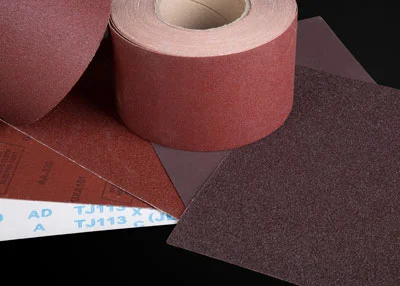
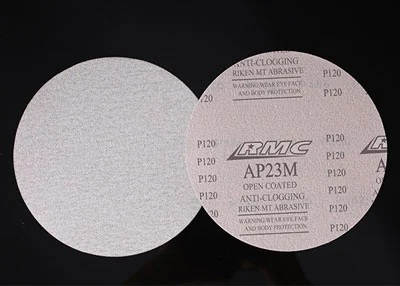
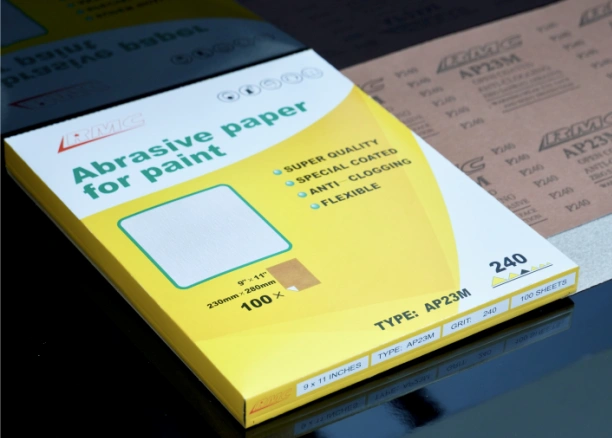
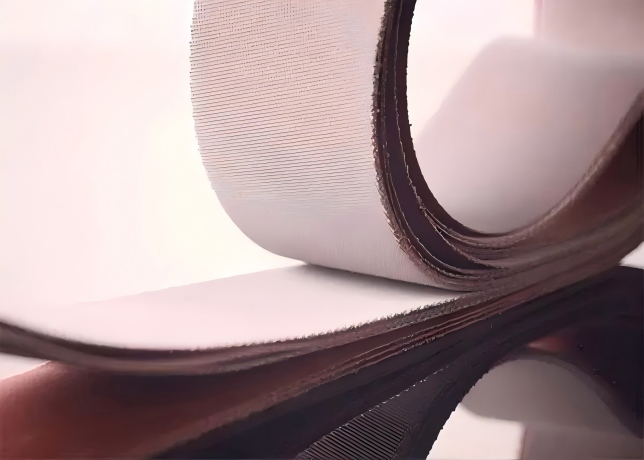
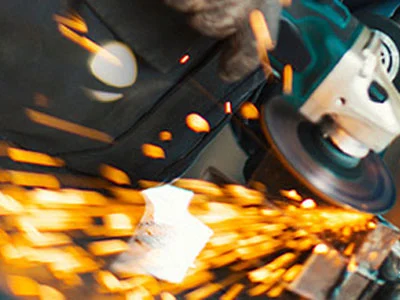
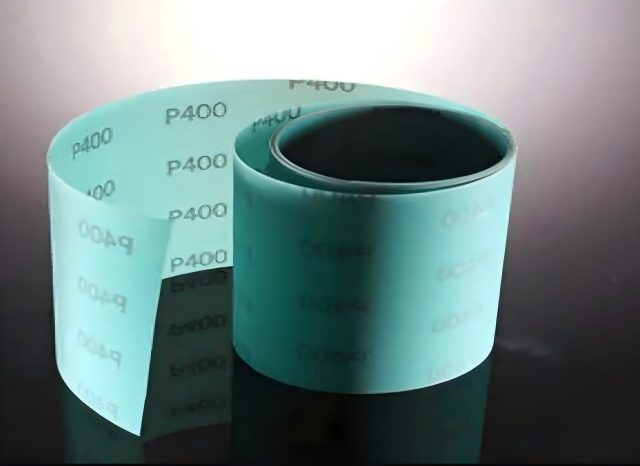
In industries where surface quality directly affects product performance, appearance, and reliability, choosing the right abrasive material is a critical part of the finishing process. silicon carbide grinding paper has become a preferred solution for glass and ceramic finishing because of its sharp abrasive structure, excellent cutting ability, and ability to achieve controlled surface results on hard materials.
Glass and ceramic materials are widely recognized for their hardness and durability, but these same characteristics make them challenging to process. Traditional abrasive solutions may struggle to achieve efficient material removal while maintaining surface integrity. With its high cutting efficiency and stable performance, silicon carbide grinding paper helps manufacturers improve edge quality, surface smoothness, and overall processing consistency.
Fujistar Abrasives provides abrasive solutions designed for various industrial finishing applications. Understanding how silicon carbide abrasives work and where they provide the greatest benefits allows users to select more suitable products for different glass and ceramic processing requirements.
Glass and ceramic finishing requires abrasives that can balance material removal speed with surface protection. Because these materials are hard and often brittle, excessive grinding pressure can create scratches, cracks, or uneven finishing results. This makes abrasive grain characteristics an important factor in achieving consistent quality.
Silicon carbide grinding paper is widely used in these applications because silicon carbide grains feature a sharp, angular structure that creates efficient cutting action. Unlike abrasives that mainly rely on friction, silicon carbide particles penetrate the surface effectively, allowing operators to remove material with controlled grinding force.
Another advantage of silicon carbide abrasives is their ability to maintain cutting performance during use. As abrasive grains fracture under pressure, new sharp edges are exposed, supporting continuous grinding efficiency. This self-renewing behavior helps maintain consistent finishing performance, especially in applications where stable surface quality is required.
For glass and ceramic manufacturers, these characteristics translate into improved process control, reduced surface defects, and better overall production efficiency.
| Performance Factor | Silicon Carbide Grinding Paper | Conventional Abrasive Paper |
|---|---|---|
| Abrasive Grain Structure | Sharp and angular grains designed for efficient cutting | Depends on abrasive material and grain design |
| Hard Material Processing | Suitable for glass, ceramics, and other difficult-to-grind materials | Performance varies based on application |
| Surface Control | Supports precise grinding and refined finishing | May require additional process adjustment |
| Typical Uses | Glass finishing, ceramic processing, precision surface treatment | General sanding and preparation applications |
Because different finishing applications require different abrasive characteristics, selecting the right product specification is essential. Fujistar Abrasives offers a variety of abrasive solutions that allow users to compare options according to surface requirements, processing conditions, and application goals through its range of abrasive products.
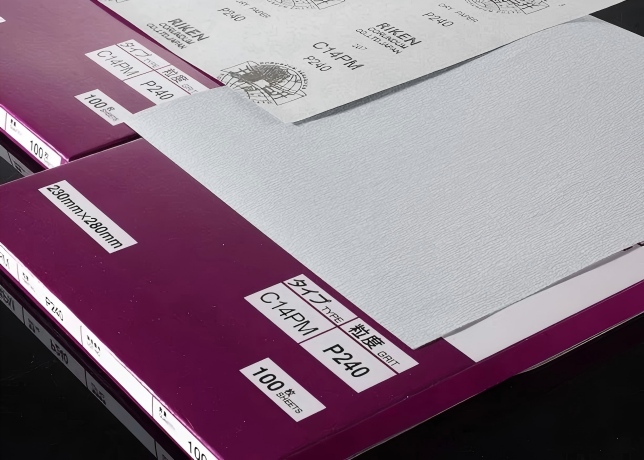
Processing hard surface materials such as glass and ceramics involves several challenges, including slow material removal, edge damage risks, and difficulty maintaining consistent surface quality. The abrasive must be aggressive enough to remove unwanted material while remaining controlled enough to protect the final surface.
silicon carbide grinding paper addresses these challenges through its combination of hardness and sharp grain geometry. The abrasive particles create clean cutting points that reduce unnecessary friction and allow more efficient grinding. This is especially valuable for brittle materials where uncontrolled abrasion may lead to chipping or micro-damage.
In industrial environments, consistency is another important consideration. Variations in abrasive performance can affect product dimensions, surface appearance, and production efficiency. Silicon carbide abrasive paper helps maintain predictable cutting behavior, making it suitable for repeated finishing operations.
The abrasive also performs effectively in wet grinding processes. The structure of silicon carbide grains supports debris removal during operation, helping reduce surface loading and maintain stable grinding performance over longer working periods.
Glass processing applications often require high levels of precision because even small surface imperfections can affect appearance and functionality. Architectural glass, optical components, laboratory glassware, and display-related products all require careful surface treatment to achieve reliable results.
silicon carbide grinding paper is commonly applied for edge smoothing, surface preparation, and refinement before final polishing. Its sharp abrasive grains allow operators to remove irregularities efficiently while maintaining better control over the final surface condition.
The selection of abrasive grit size plays an important role in glass finishing performance. Coarser grit grades are generally suitable for initial shaping and faster material removal, while finer grades are used when smoother surfaces and improved finishing quality are required.
By applying the correct abrasive sequence, manufacturers can achieve cleaner edges, reduce visible surface defects, and improve the consistency of finished glass products.
Ceramic materials are widely used in industries such as electronics, automotive components, medical equipment, and industrial machinery because of their excellent hardness, wear resistance, and thermal stability. However, these same properties also make ceramic finishing more demanding compared with softer materials.
silicon carbide grinding paper provides the cutting efficiency required for ceramic surface treatment by combining abrasive hardness with precise material removal capability. The sharp silicon carbide grains can effectively process ceramic surfaces while maintaining controlled grinding performance, which helps reduce uneven textures and improve surface consistency.
For precision ceramic components, surface quality directly influences product reliability and performance. Small defects, excessive roughness, or inconsistent finishing may affect the final application of ceramic parts. By selecting suitable abrasive specifications, manufacturers can achieve better dimensional control and more uniform surface results.
In decorative ceramic applications, silicon carbide abrasives also contribute to improved visual quality. Whether the goal is creating a smoother texture, preparing a surface for additional treatment, or removing minor imperfections, controlled grinding performance helps enhance the final appearance of ceramic products.
Choosing the correct silicon carbide grinding paper depends on several factors, including the type of material being processed, required surface finish, grinding method, and production conditions. A suitable abrasive selection can improve processing efficiency while reducing unnecessary surface damage.
Grit size is one of the most important considerations. Coarse grit abrasives are typically selected for faster material removal and initial surface correction, while finer grit options are used for surface refinement and polishing preparation. The correct grit sequence helps operators gradually improve surface quality without creating excessive scratches.
Backing flexibility is another important factor. For flat glass panels and ceramic plates, a more stable backing structure may provide better control, while curved or complex surfaces may require greater flexibility to achieve uniform contact.
Grinding conditions should also be considered during abrasive selection. Wet grinding and dry grinding environments may require different abrasive characteristics to achieve stable results. Understanding the relationship between abrasive properties and application requirements allows users to improve overall finishing performance.
Fujistar Abrasives helps customers evaluate abrasive requirements based on different processing environments and surface objectives. When additional technical guidance is needed for selecting suitable specifications, users can communicate directly with the team through the Fujistar Abrasives contact channel.
The versatility of silicon carbide grinding paper allows it to support a wide range of glass and ceramic finishing applications. Its combination of sharp cutting performance and controlled surface treatment makes it valuable for both precision manufacturing and decorative processing.
In the glass industry, silicon carbide grinding paper is frequently used for edge grinding, surface preparation, and finishing operations where smoothness and accuracy are important. Optical glass manufacturers, architectural glass processors, and specialty glass producers can benefit from its ability to achieve consistent surface conditions.
In ceramic applications, silicon carbide abrasive solutions are used for processing precision components, electronic ceramics, ceramic tiles, and decorative ceramic surfaces. The abrasive helps manufacturers improve surface uniformity while maintaining efficient material removal during production.
As industries continue to demand higher quality standards and more precise surface finishes, advanced abrasive materials will remain essential. Silicon carbide grinding solutions provide an effective approach for handling difficult materials while achieving reliable finishing performance.
silicon carbide grinding paper plays an important role in glass and ceramic finishing because it combines high abrasive hardness, sharp cutting performance, and excellent surface control. These characteristics allow manufacturers to process challenging materials more efficiently while maintaining consistent finishing quality.
From precision glass components to advanced ceramic products, selecting the appropriate abrasive solution can directly influence production efficiency and final product performance. By understanding material characteristics, grit selection, and application requirements, users can maximize the advantages of silicon carbide abrasives and achieve better finishing results.
With experience in abrasive solutions, Fujistar Abrasives continues to support various industrial applications by providing products designed for different surface treatment needs. Choosing the right abrasive partner can help manufacturers improve processing stability and meet increasingly demanding finishing requirements.
Silicon carbide grinding paper has sharp abrasive grains and high hardness, allowing it to remove glass material efficiently while maintaining controlled surface finishing performance.
Yes. It is suitable for ceramic processing because silicon carbide abrasives can handle hard surfaces and provide consistent material removal.
Coarse grits are generally used for initial grinding, while finer grits are selected for surface refinement and polishing preparation.
Yes. Silicon carbide grinding paper performs well in wet grinding applications because it helps reduce clogging and maintains cutting efficiency.
It provides controlled material removal, helping reduce surface defects and achieve smoother, more uniform ceramic finishes.
The right choice depends on the processed material, required surface finish, grinding method, and production conditions. Consulting an abrasive specialist can help identify the most suitable option.