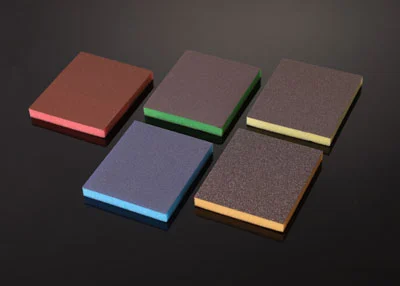
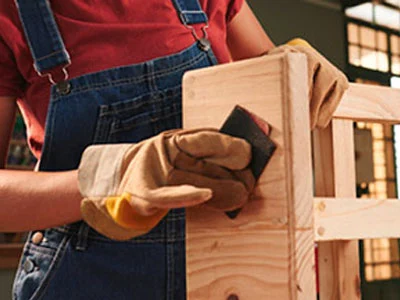
The choice of silicon carbide sandpaper grit numbers should be based on specific needs. Generally speaking, 60-120 grit is suitable for coarse grinding, 240-400 grit is suitable for moderate grinding, 600-800 grit is suitable for fine grinding, 1000-1500 grit is suitable for polishing, and 2000-3000 grit is suitable for ultra-fine grinding. When choosing, consideration must be given to the hardness of the material and the desired surface roughness.
Silicon carbide sandpaper is a widely used abrasive material for cutting and grinding metals, wood, glass, ceramics, and plastics. The choice of grit numbers is crucial for achieving the ideal grinding effect.
The range of grit numbers for silicon carbide sandpaper spans from 60 to 3000. Grit number refers to the number of abrasive particles per inch; the higher the grit number, the finer the particles, and the more delicate the application.
1. 60-120 grit: This type of coarse sandpaper is suitable for rough grinding tasks such as removing rust from surfaces, thread burrs, and paint and coatings.
2. 240-400 grit: Medium grit sandpaper is suitable for moderate grinding, such as sanding wooden furniture and the surfaces of ships. It can achieve relatively smooth surfaces while maintaining a certain level of efficiency.
3. 600-800 grit: Fine sandpaper is suitable for fine grinding, such as polishing metal surfaces and coatings, further improving surface smoothness.
4. 1000-1500 grit: This type of sandpaper is ideal for polishing tasks such as polishing car surfaces to achieve a mirror-like shine.
5. 2000-3000 grit: Ultra-fine sandpaper is suitable for ultra-fine grinding, such as polishing high-tech ceramic surfaces, achieving extremely high surface smoothness.
When choosing silicon carbide sandpaper, in addition to considering the grit number, a comprehensive judgement must be made based on the hardness of the material to be sanded and the desired surface roughness. High hardness materials generally require higher grit sandpaper to achieve a more delicate grinding effect. Additionally, different application scenarios have different requirements for surface roughness, so it is necessary to choose the appropriate grit number based on actual needs.
In summary, the choice of silicon carbide sandpaper grit number is a comprehensive process that requires consideration of the specific application scenario and needs. By choosing the appropriate grit number, one can not only improve work efficiency but also achieve the desired grinding effect.