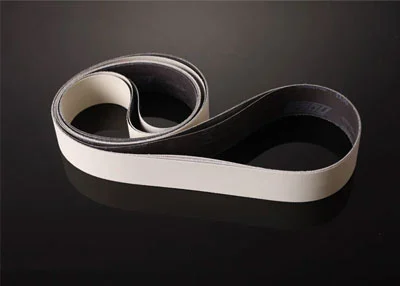
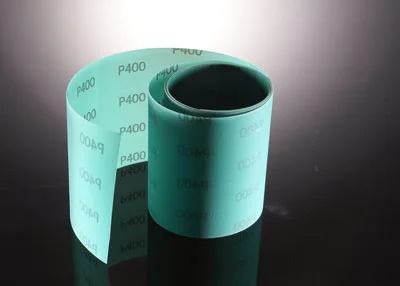
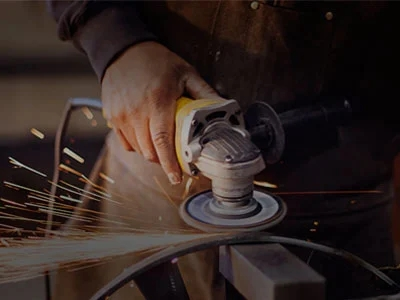
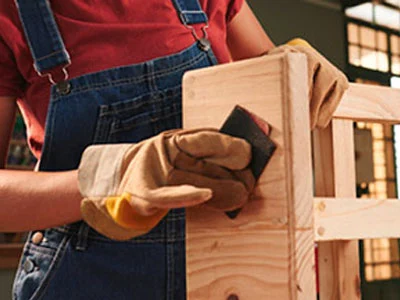
A flawless surface finish is rarely determined by abrasive grains alone. Behind every consistent sanding result is a backing material that controls how those grains interact with the workpiece. When scratches become uneven, abrasive life decreases, or finishing quality varies between batches, the real difference often comes from the structure supporting the abrasive layer.
This is why the comparison between abrasive film and abrasive paper sheet has become increasingly important for industries that rely on controlled surface preparation. Although both abrasive types are designed to remove material and refine surfaces, their backing materials create noticeable differences in durability, flexibility, grain support, and finishing consistency.
For applications ranging from automotive refinishing and precision manufacturing to general maintenance and woodworking, selecting the correct abrasive backing can directly influence production efficiency and final surface quality. Fujistar Abrasives offers a range of abrasive solutions designed for different material requirements and finishing processes, allowing users to compare abrasive structures, backing options, and application characteristics when selecting the right product for their operations. More details about available abrasive solutions can be found in the Fujistar Abrasives product portfolio.
The backing layer is the foundation that supports abrasive grains during operation. While abrasive particles determine cutting ability, the backing controls how consistently those grains remain in contact with the surface. A well-designed backing structure helps maintain stable pressure distribution, reduces premature wear, and improves overall finishing reliability.
An abrasive film uses a polymer-based film backing that provides excellent dimensional stability. Compared with traditional paper structures, film backing is less likely to stretch or deform when exposed to repeated sanding pressure. This allows abrasive grains to maintain a more uniform cutting position, which is especially valuable in applications where surface consistency is critical.
In contrast, an abrasive paper sheet uses paper as the supporting material. Paper backing has been widely adopted because it provides good flexibility, easy handling, and cost-effective performance. However, its characteristics can vary depending on paper grade, environmental conditions, and the intensity of the sanding process.
The backing material influences several important aspects of abrasive performance. A stronger backing improves resistance against tearing and deformation, while a more stable structure helps create consistent scratch patterns. It also affects abrasive lifespan because better grain support allows the cutting surface to remain effective for a longer period. In addition, backing flexibility determines how easily the abrasive can adapt to different shapes and working conditions.
For professional finishing operations, understanding how backing materials influence abrasive behavior is essential for reducing material waste, improving productivity, and achieving predictable surface results.
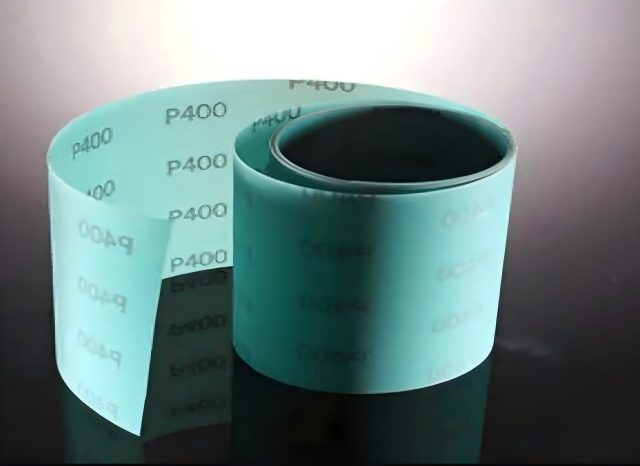
The difference between abrasive film and paper-backed abrasives comes from their internal construction. Although both products contain abrasive grains bonded to a backing layer, the supporting material creates different performance characteristics during use.
Film backing is manufactured from a synthetic material designed to maintain flatness and dimensional stability. This structure provides a strong foundation for abrasive grains, allowing the product to perform consistently even under demanding finishing conditions. It is particularly suitable for applications where precise scratch control and uniform surface appearance are required.
A paper-backed abrasive paper sheet, on the other hand, offers a more traditional abrasive structure. The paper layer provides flexibility and allows users to easily shape the abrasive around curved or uneven surfaces. This makes paper-backed abrasives practical for many general sanding operations.
| Comparison Factor | Abrasive Film | Abrasive Paper Sheet |
|---|---|---|
| Backing Structure | Polymer film backing with high dimensional stability | Paper backing designed for flexible sanding applications |
| Surface Consistency | Provides more uniform abrasive support and controlled finishing | Provides reliable performance for general sanding tasks |
| Durability | Higher resistance to stretching, tearing, and deformation | Suitable for normal sanding conditions with good flexibility |
| Moisture Resistance | Generally performs better in humid or wet environments | Performance depends on paper grade and application conditions |
| Main Applications | Precision finishing, automotive, electronics, and high-quality surface preparation | Woodworking, maintenance, and general material sanding |
These structural differences explain why abrasive selection should be based on the required finishing standard rather than simply the abrasive grit size. The same grit number can deliver different results when applied with different backing materials.
Precision finishing requires control over more than material removal. The final surface must often meet strict appearance requirements, coating preparation standards, or functional specifications. In these situations, abrasive film provides advantages because of its stable backing structure.
The flatter surface of film backing allows abrasive grains to engage with the workpiece more evenly. This reduces uneven pressure points that can create inconsistent scratch patterns or require additional finishing steps. For manufacturers handling repeat production processes, this consistency can help maintain quality across multiple parts.
Abrasive film is commonly used in automotive refinishing, precision component manufacturing, plastic finishing, composite processing, and applications involving decorative surfaces. These industries often require controlled finishing because small variations can affect coating adhesion, visual appearance, or final product performance.
Another benefit of abrasive film is improved abrasive utilization. Since the grains wear more evenly, the abrasive can maintain stable cutting performance for a longer working period. This helps reduce interruptions caused by frequent abrasive replacement and supports more efficient production workflows.
Despite the growing use of abrasive film in precision applications, paper-backed abrasives continue to provide important advantages in many industries. An abrasive paper sheet remains a practical choice when flexibility, ease of use, and economical performance are the primary considerations.
Paper-backed abrasives are particularly useful for general metal preparation, woodworking, repair work, and manual sanding applications. Their flexible structure allows operators to adapt the abrasive to irregular shapes, edges, and curved surfaces more easily.
For hand-finishing operations, this flexibility can improve operator comfort and control. In situations where extremely precise surface uniformity is not required, a paper-backed abrasive can provide efficient performance while maintaining lower operating costs.
Many professional users combine both abrasive types within the same workflow. A paper-backed abrasive may be selected for initial material removal, while abrasive film may be used during final finishing stages where smoother and more consistent results are required.
The best abrasive backing depends on the specific application, material characteristics, and desired surface finish. Neither abrasive film nor paper backing is universally better; each offers advantages suited to different working environments.
| Application Requirement | Recommended Abrasive Type | Performance Advantage |
|---|---|---|
| Precision surface finishing | Abrasive film | Provides consistent grain support and controlled scratch patterns |
| General maintenance sanding | Abrasive paper sheet | Offers practical flexibility and cost efficiency |
| Curved or irregular surfaces | Paper-backed abrasive | Easier adaptation to complex shapes |
| High-quality final finishing | Abrasive film | Supports repeatable and uniform surface results |
| Large-volume general sanding | Paper-backed abrasive | Provides reliable performance for everyday applications |
Durability becomes increasingly important when abrasives are used under continuous pressure or in demanding production environments. In these situations, abrasive film often provides longer service life because the backing maintains its shape and supports the abrasive layer more effectively.
However, flexibility remains a key advantage of an abrasive paper sheet. When operators need to manually follow complex contours or perform quick adjustments, paper backing can offer greater convenience.
Fujistar Abrasives develops abrasive solutions for different industrial finishing requirements, helping users select products based on surface goals, working conditions, and application expectations.
Selecting between abrasive film and an abrasive paper sheet requires evaluating the complete finishing process. Factors such as material hardness, required surface appearance, sanding method, and production efficiency all influence the ideal choice.
For industries requiring repeatable quality and strict surface control, abrasive film is usually the preferred option. Its stable structure helps maintain consistent performance throughout the finishing process, making it suitable for applications where defects or surface variations can increase production costs.
For general-purpose sanding tasks where flexibility and affordability are more important, paper-backed abrasives remain a reliable solution. They provide effective material removal and convenient handling for a wide range of applications.
Before choosing an abrasive backing, users should evaluate the workpiece material, required finish level, operating environment, and expected abrasive lifespan. A suitable abrasive selection can improve workflow efficiency while reducing unnecessary replacement and rework.
Choosing the right abrasive backing often depends on specific factors such as workpiece material, finishing expectations, and production conditions. Since different applications may require different combinations of abrasive grains, backing structures, and performance characteristics, professional guidance can help users avoid inefficient abrasive selection. For application-specific recommendations or further technical discussions, users can connect with Fujistar Abrasives through the Fujistar Abrasives contact .
The choice between abrasive film and abrasive paper sheet depends on the balance between durability, flexibility, and surface control. While both abrasive types have important roles, their backing structures create different performance advantages.
Abrasive film is especially valuable for precision finishing applications where consistent results, longer working life, and controlled surface quality are essential. Paper-backed abrasives remain a practical choice for general sanding operations that require flexibility, convenience, and cost efficiency.
By understanding the structural differences between these abrasive solutions, users can select the right product for each stage of their finishing process. The correct backing material not only improves surface quality but also contributes to higher productivity and more predictable results.
Abrasive film uses a synthetic film backing that provides higher stability, while an abrasive paper sheet uses paper backing that offers flexibility and practical sanding performance.
Yes. Abrasive film generally provides better resistance to deformation, tearing, and moisture exposure during demanding applications.
Abrasive film is usually preferred for precision finishing because it provides more consistent grain support and surface control.
Yes. Abrasive paper sheets remain popular for general sanding, woodworking, maintenance, and applications requiring flexibility.
No. Abrasive film offers advantages in precision work, but paper-backed abrasives remain useful for flexible and cost-sensitive applications.
The choice depends on the material, finishing requirements, working conditions, and whether durability or flexibility is the higher priority.