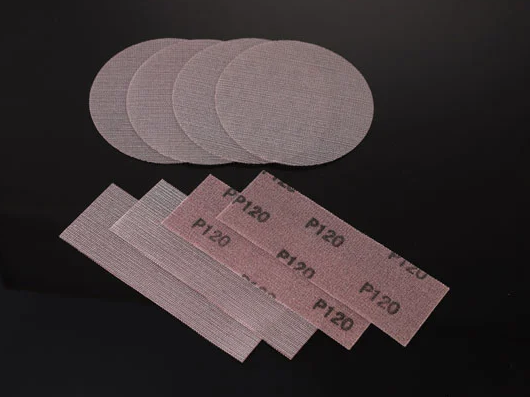
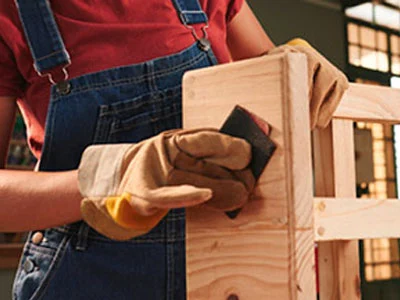
Aluminum appears easy to process because of its relatively soft structure and lightweight characteristics, but achieving a clean and consistent finish on aluminum surfaces requires more than ordinary sanding materials. The combination of softness, ductility, and heat sensitivity creates unique challenges that can quickly reduce sanding efficiency when the wrong abrasive is selected. This is why professional sandpaper for aluminum often relies on carefully designed silicon carbide formulations.
Unlike harder metals that can be aggressively cut with various abrasive types, aluminum tends to generate fine particles that can clog abrasive surfaces and reduce cutting performance. A suitable abrasive must provide sharp cutting action while minimizing loading, heat buildup, and unwanted surface damage. Silicon carbide abrasives are widely used in these applications because of their hardness, sharp grain structure, and ability to deliver controlled material removal.
Fujistar Abrasives develops abrasive solutions for different industrial finishing requirements, helping manufacturers and professionals select suitable products for aluminum processing. Understanding why silicon carbide works effectively on aluminum allows users to improve sanding efficiency, surface quality, and overall process reliability.
Aluminum has several characteristics that make surface finishing different from sanding steel or other common metals. Its relatively low hardness allows material to be removed efficiently, but its softness also creates challenges during abrasive processing.
One major issue is loading. During sanding, removed aluminum particles can become attached to the abrasive surface instead of being released. When this happens, the cutting edges of abrasive grains become covered, reducing sanding performance and increasing friction between the abrasive and the workpiece.
Heat management is another important consideration. Aluminum transfers heat quickly, and excessive friction during sanding can influence surface quality. If the abrasive generates too much heat, it may affect the appearance of the finished surface or create additional processing difficulties.
For these reasons, standard abrasive materials may not always provide the best results when working with aluminum. Professional sandpaper for aluminum is designed with abrasive characteristics that address these specific challenges, allowing users to achieve smoother finishes with fewer interruptions.
The choice of abrasive grain, backing material, and surface treatment all influence how effectively sandpaper performs on aluminum. These factors determine whether the abrasive can maintain sharp cutting ability while reducing clogging and improving operational consistency.
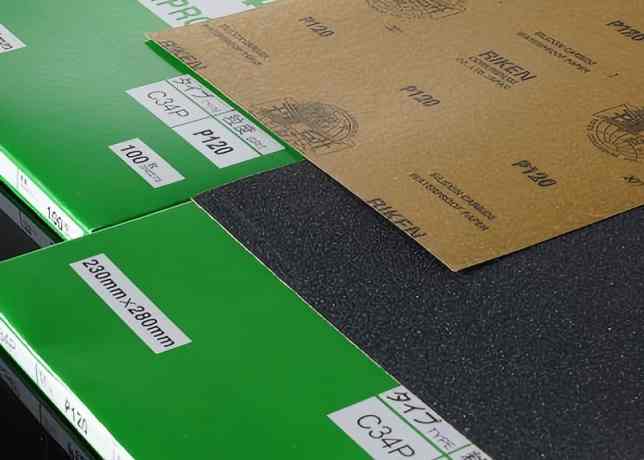
Silicon carbide is widely recognized as an effective abrasive material for aluminum finishing because of its sharp grain structure and efficient cutting behavior. The sharp edges of silicon carbide grains allow them to penetrate the aluminum surface effectively, helping remove material with controlled cutting action.
Abrasive paper silicon carbide is commonly selected for applications where clean cutting performance and refined surface results are required. Compared with some softer abrasive grains, silicon carbide maintains a sharper cutting profile, which helps reduce excessive friction during sanding.
This cutting efficiency is particularly valuable when processing aluminum components that require smooth transitions, precise surface preparation, or consistent appearance. Instead of relying on excessive pressure to remove material, silicon carbide abrasives allow users to achieve effective sanding through efficient grain interaction.
Another advantage of silicon carbide is its suitability for both dry and wet sanding applications. Depending on the specific process requirements, users can select appropriate abrasive structures to improve surface quality and extend abrasive usability.
For professionals selecting sandpaper for aluminum, silicon carbide formulations provide a practical balance between cutting performance and surface protection. This makes them suitable for applications ranging from general fabrication to precision finishing.
| Performance Factor | Silicon Carbide Sandpaper | General Abrasive Paper |
|---|---|---|
| Cutting Ability | Sharp abrasive grains provide efficient material removal | Performance varies depending on abrasive type |
| Aluminum Compatibility | Designed to reduce loading during aluminum sanding | May experience faster clogging on soft metals |
| Surface Finish | Supports controlled sanding and refined surfaces | May require additional finishing steps |
| Application Range | Suitable for aluminum parts, components, and precision finishing | Depends on specific abrasive construction |
One of the biggest challenges when sanding aluminum is maintaining abrasive performance throughout the process. Without proper abrasive design, aluminum particles can quickly accumulate on the sanding surface and reduce cutting efficiency.
Specialized sandpaper for aluminum addresses this problem through optimized grain structures, coatings, and backing designs. These features help improve debris removal and allow abrasive grains to continue cutting effectively during operation.
The open structure of certain abrasive designs can provide additional space for sanding residue to move away from the cutting surface. This helps reduce clogging and supports more consistent performance, especially during longer sanding operations.
Heat buildup is also influenced by abrasive sharpness and cutting efficiency. When grains cut effectively, less pressure may be required, reducing unnecessary friction between the abrasive and aluminum surface.
Manufacturers specializing in abrasive paper silicon carbide focus on creating products that combine grain performance with suitable surface treatments. These improvements help users achieve better sanding results while reducing common aluminum finishing problems.
Successful aluminum finishing requires a careful balance between removing unwanted surface imperfections and protecting the original characteristics of the material. Because aluminum is softer than many industrial metals, excessive sanding force or unsuitable abrasives may create scratches, uneven textures, or unnecessary material loss.
High-quality sandpaper for aluminum helps operators maintain better control during finishing by providing consistent cutting action without requiring excessive pressure. Silicon carbide grains contribute to this balance because their sharp edges allow efficient material removal while reducing the need for aggressive sanding techniques.
Surface protection is especially important in applications where appearance, dimensional accuracy, or coating performance matters. For example, aluminum components used in automotive, aerospace, and precision equipment often require carefully controlled surface preparation before painting, anodizing, or assembly.
The right abrasive selection helps create a uniform surface profile that supports later processing steps. Using an abrasive that is too aggressive may create deeper scratches that require additional finishing stages, while an abrasive designed specifically for aluminum can improve efficiency and reduce rework.
Fujistar Abrasives provides abrasive solutions designed for different surface preparation requirements, helping users achieve consistent aluminum finishing results through suitable abrasive selection and application methods.
Choosing the correct sandpaper for aluminum depends on several factors, including the aluminum grade, surface condition, required finish, and processing method. There is no single abrasive specification suitable for every aluminum application.
Grit size is one of the most important considerations. Coarser silicon carbide abrasives are generally used when faster material removal is required, such as removing oxidation, machining marks, or surface imperfections. Finer grits are better suited for surface refinement and preparing aluminum for polishing or coating.
The backing material also affects performance. Flexible backings can improve contact on curved or irregular aluminum surfaces, while stronger backings may provide better support during heavier sanding operations.
The intended finishing method should also influence abrasive selection. Wet sanding applications may require abrasive structures that perform well with water-assisted cooling and debris removal, while dry sanding processes may require different surface treatments.
Professional users often evaluate multiple factors before selecting abrasive paper silicon carbide products. The correct combination of grain type, grit size, backing, and application method helps achieve the desired surface quality more efficiently.
Fujistar Abrasives offers a range of abrasive products for various industrial finishing applications. Customers can review available solutions through the company's abrasive product selection when choosing suitable materials for aluminum processing.
The demand for reliable sandpaper for aluminum continues to grow as aluminum becomes increasingly common across different industries. Its lightweight properties, corrosion resistance, and design flexibility make it valuable in applications where both performance and appearance are important.
In automotive manufacturing, aluminum components such as body panels, structural parts, and decorative elements often require controlled surface finishing before painting or further treatment. Silicon carbide abrasives help improve surface consistency while reducing common sanding issues such as loading.
In aerospace and precision manufacturing, aluminum components require even greater attention to surface quality. Small imperfections may influence assembly accuracy, coating performance, or final product appearance, making abrasive selection an important part of the production process.
Industrial equipment, electronics housings, and fabricated aluminum products also benefit from specialized abrasive solutions. Whether the goal is removing machining marks, preparing surfaces, or achieving a refined appearance, silicon carbide-based abrasives provide reliable performance.
As aluminum applications continue expanding, the importance of selecting suitable abrasive materials becomes increasingly clear. The combination of sharp silicon carbide grains, optimized abrasive structures, and proper sanding techniques helps manufacturers achieve better finishing results. For manufacturers evaluating abrasive options for specific aluminum processing conditions, Fujistar Abrasives provides technical support to help match abrasive characteristics with application requirements through the Fujistar Abrasives contact .
Aluminum requires specialized abrasive solutions because its unique material characteristics create challenges that ordinary sandpaper may not handle effectively. From loading prevention to heat control and surface refinement, every aspect of abrasive design influences finishing performance.
Sandpaper for aluminum based on silicon carbide formulations provides an effective balance between cutting efficiency and surface protection. The sharp grain structure of abrasive paper silicon carbide allows professionals to achieve controlled material removal while maintaining consistent surface quality.
Whether used for automotive components, precision parts, or industrial fabrication, selecting the correct abrasive specification helps improve productivity and reduce finishing difficulties. Fujistar Abrasives continues to provide abrasive solutions designed to meet different aluminum processing requirements and support reliable surface preparation.
Aluminum is softer and more prone to loading than many metals, so it requires abrasives designed to maintain cutting performance while reducing clogging and heat buildup.
Silicon carbide has sharp abrasive grains that provide efficient cutting action, helping remove material effectively while creating controlled surface finishes.
Abrasive paper silicon carbide is used for sanding applications requiring sharp cutting performance, including aluminum finishing, metal preparation, and precision surface treatment.
Using specialized sandpaper for aluminum with suitable grain structures and coatings can help reduce loading and maintain abrasive performance.
Both methods can be used depending on the application. Wet sanding can help control heat and remove debris, while dry sanding may be suitable for certain preparation tasks.
Selection depends on the aluminum material, required finish, sanding method, grit size, and overall application requirements.