Metal surface preparation plays a critical role in manufacturing, fabrication, automotive repair, and maintenance. Whether you're removing rust, smoothing welds, preparing a surface for painting, or creating a fine brushed finish, selecting the right abrasive can make a significant difference in productivity and finish quality.
Among the many abrasive materials available today, aluminum oxide sandpaper for metal remains one of the most widely used solutions because of its durability, consistent cutting performance, and versatility across a wide range of metals.
This guide explains how aluminum oxide sandpaper works, where it performs best, how to select the right grit, and what to consider when choosing sandpaper for professional metalworking applications.
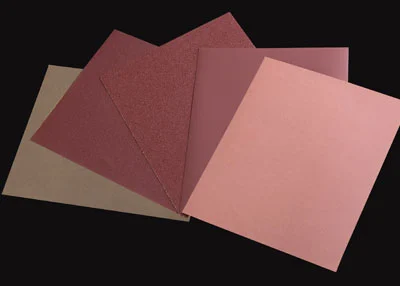
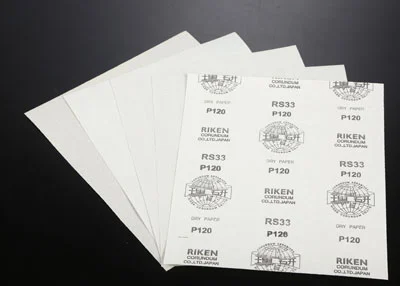
Aluminum oxide sandpaper is an abrasive product coated with synthetic aluminum oxide grains, one of the most durable and widely used abrasive minerals in industrial finishing.
Unlike natural abrasives, aluminum oxide is manufactured under controlled conditions to provide:
High hardness
Excellent wear resistance
Uniform grain size
Long service life
Consistent cutting performance
One of its key advantages is that the abrasive grains fracture during use, exposing fresh cutting edges. This self-renewing characteristic helps maintain cutting efficiency longer than many conventional abrasives.
Metal surfaces are generally harder than wood or plastic and require abrasives capable of maintaining sharp cutting performance under high pressure.
Aluminum oxide offers several advantages.
The abrasive grains resist wear, allowing the sandpaper to maintain consistent cutting performance even during extended sanding operations.
For manufacturers, this means:
Fewer abrasive changes
Reduced downtime
Lower operating costs
Whether removing oxidation, smoothing weld seams, or leveling rough surfaces, aluminum oxide cuts efficiently without excessive pressure.
This improves productivity in both manual and machine sanding.
Metal sanding generates significant friction.
High-quality aluminum oxide abrasives maintain their cutting ability under elevated temperatures, reducing the risk of premature abrasive breakdown.
Aluminum oxide sandpaper performs well on various metals, including:
Carbon steel
Stainless steel
Aluminum
Mild steel
Brass
Copper
Cast iron
Galvanized steel
Its broad compatibility makes it a practical choice for workshops handling multiple materials.
Surface rust must be removed before painting or coating.
Coarse aluminum oxide sandpaper quickly removes oxidation while preparing a clean metal surface.
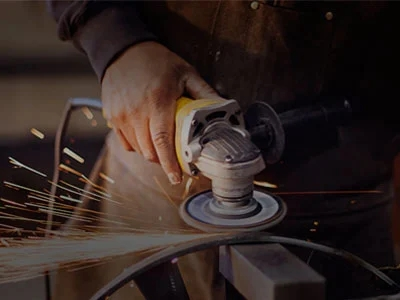
After welding, aluminum oxide abrasives smooth weld beads and blend joints into surrounding material.
This is common in:
Structural steel fabrication
Automotive manufacturing
Stainless steel processing
Sheet metal fabrication
Proper surface preparation improves coating adhesion.
Aluminum oxide sandpaper creates a uniform scratch pattern that allows primers and paints to bond more effectively.
Progressively finer grits can produce smooth surfaces suitable for:
Powder coating
Electroplating
Polishing
Decorative finishes
Maintenance technicians frequently use aluminum oxide abrasives for:
Removing corrosion
Cleaning machinery
Equipment refurbishment
Industrial maintenance
Tool restoration
Selecting the appropriate grit is just as important as choosing the abrasive material.
| Grit Range | Typical Application |
|---|---|
| P40–P60 | Heavy rust removal, weld leveling, aggressive material removal |
| P80–P120 | General metal preparation, paint removal |
| P150–P220 | Surface smoothing before primer |
| P240–P320 | Fine sanding before painting |
| P400–P600 | Finish sanding between paint coats |
| P800–P1500 | Fine finishing and polishing preparation |
| P2000+ | Mirror finishing and polishing |
Moving through multiple grit sizes produces smoother finishes while reducing visible sanding marks.
Many buyers compare aluminum oxide with silicon carbide when selecting abrasives.
| Feature | Aluminum Oxide | Silicon Carbide |
|---|---|---|
| Durability | Excellent | Good |
| Toughness | High | Lower |
| Cutting Speed | Fast | Very Fast Initially |
| Service Life | Longer | Shorter |
| Best For | General metal sanding | Fine finishing, non-ferrous metals, glass, stone |
| Cost Efficiency | Higher | Moderate |
For most metal fabrication and maintenance applications, aluminum oxide offers a better balance of cutting performance and service life.
The backing material affects flexibility, durability, and application.
Suitable for:
Hand sanding
Light machine sanding
Surface finishing
Offers higher tear resistance for demanding applications such as:
Belt sanding
Heavy grinding
Industrial fabrication
Provides excellent dimensional stability and produces highly consistent scratch patterns for precision finishing.
Professional sanding results depend on more than selecting the correct abrasive.
To improve efficiency:
Begin with the coarsest grit needed to remove defects.
Progress gradually to finer grits.
Avoid applying excessive pressure, allowing the abrasive to cut naturally.
Replace worn sandpaper promptly to maintain productivity.
Keep the work surface clean to prevent deep scratches from loose particles.
Use proper dust extraction whenever possible.
These practices help extend abrasive life while producing a more consistent finish.
Because of its versatility, aluminum oxide sandpaper is widely used across many industries.
Common applications include:
Metal fabrication
Automotive repair and refinishing
Aerospace component manufacturing
Construction equipment manufacturing
Machinery production
Shipbuilding
Stainless steel fabrication
Industrial maintenance
Hardware manufacturing
Its combination of durability and cost-effectiveness makes it one of the industry's most widely specified abrasives.
At Fujistar Abrasives, we manufacture high-performance aluminum oxide sandpaper designed for demanding industrial applications. Our abrasives combine premium aluminum oxide grains with durable backing materials to deliver fast cutting, long service life, and consistent surface finishes.
Our advantages include:
Premium aluminum oxide abrasive grains for stable cutting performance
Uniform coating technology for consistent scratch patterns
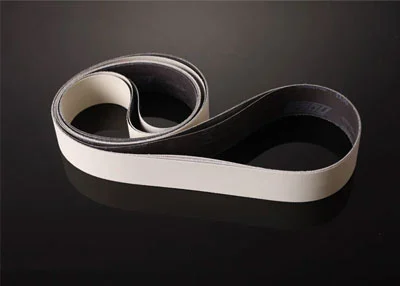
Available in paper, cloth, film, discs, sheets, rolls, and abrasive belts
Wide grit range from coarse stock removal to fine finishing
Strong backing materials for hand sanding and machine applications
OEM and private label manufacturing for distributors and global brands
Strict quality control to ensure reliable performance across every production batch
Whether you manufacture metal products, operate a fabrication workshop, or distribute industrial abrasives, Fujistar offers solutions tailored to professional sanding requirements.
Yes. Aluminum oxide is commonly used for sanding stainless steel during fabrication, weld blending, and surface preparation. For applications requiring contamination-free finishing, dedicated abrasives should be used exclusively on stainless steel.
Yes. Aluminum oxide works well on aluminum alloys, although proper dust removal is important because aluminum particles may clog the abrasive surface during extended sanding.
Most professionals finish with P180 to P320, depending on the coating system and surface condition. Always follow the coating manufacturer's recommendations.
For general metalworking, aluminum oxide typically offers a longer service life than many conventional abrasives because its grains fracture to expose new cutting edges during use.
For professionals seeking a dependable abrasive for metalworking, aluminum oxide sandpaper for metal remains one of the best all-around choices. Its combination of durability, fast cutting, and compatibility with a wide range of metals makes it suitable for everything from heavy stock removal to fine surface preparation.
By selecting the right grit, backing, and sanding technique, manufacturers and fabricators can achieve better surface quality, improve efficiency, and reduce abrasive consumption.
If you're looking for reliable abrasive solutions for industrial applications, Fujistar Abrasives provides a comprehensive range of aluminum oxide sandpaper products backed by consistent manufacturing quality and OEM expertise.