In industrial grinding and surface preparation, productivity depends heavily on the quality of the abrasive being used. A sanding disc that cuts quickly, lasts longer, and maintains consistent performance can significantly reduce downtime and operating costs.
This is why ceramic sanding discs have become the preferred choice for professionals in metal fabrication, automotive refinishing, woodworking, and composite manufacturing. Compared with conventional aluminum oxide abrasives, ceramic abrasives offer exceptional durability, aggressive cutting action, and a much longer service life.
In this guide, we'll explain what ceramic sanding discs are, how they work, where they are used, and how to choose the right product for your application.
A ceramic sanding disc is an abrasive disc coated with engineered ceramic abrasive grains. These grains are manufactured through advanced sintering processes to create a highly durable abrasive with excellent hardness and fracture characteristics.
Unlike traditional abrasives that gradually become dull during use, ceramic grains continuously fracture into new sharp edges under pressure. This self-sharpening effect enables the disc to maintain a consistent cutting rate throughout its service life.
Ceramic sanding discs are widely used for demanding applications involving:
Stainless steel
Carbon steel
Alloy steel
Aluminum
Titanium
Cast iron
Weld removal
Heavy stock removal
Because of their outstanding durability, ceramic abrasives are often the first choice for industrial users seeking higher productivity and lower total grinding costs.
The key advantage of ceramic abrasives lies in their micro-fracturing structure.
During grinding, worn abrasive particles break into smaller, sharp cutting points instead of becoming smooth or glazed. As fresh cutting edges are continuously exposed, the disc maintains high cutting efficiency without excessive heat buildup.
This self-renewing process provides several benefits:
Faster material removal
Consistent cutting performance
Reduced loading
Lower grinding temperatures
Longer abrasive life
Improved surface quality
This makes ceramic sanding discs particularly effective for continuous production environments where stable performance is essential.
Ceramic abrasive grains are engineered for aggressive cutting. They remove material more efficiently than standard aluminum oxide discs, helping operators complete grinding tasks in less time.
For manufacturers with high production volumes, faster stock removal translates directly into increased productivity.
One of the biggest advantages of ceramic sanding discs is durability.
Because ceramic grains continuously generate new cutting edges, they remain effective much longer than conventional abrasives. Depending on the application, ceramic discs can last several times longer than standard aluminum oxide products.
Longer disc life means:
Fewer disc changes
Reduced downtime
Lower abrasive consumption
Lower labor costs
Excessive heat can discolor stainless steel, damage coatings, or warp sensitive workpieces.
Ceramic abrasives cut efficiently with less friction, reducing heat generation and helping preserve the integrity of the workpiece.
This is especially important when grinding:
Stainless steel
Thin sheet metal
Aluminum
Heat-sensitive alloys
Although ceramic sanding discs typically have a higher purchase price, they often provide a lower total cost per job because they:
Last longer
Remove material faster
Require fewer replacements
Improve operator productivity
For industrial users, evaluating abrasives based on cost per finished part rather than unit price provides a more accurate picture of overall value.
As ceramic grains remain sharp throughout use, they produce a more uniform scratch pattern.
This consistency helps reduce secondary finishing operations before painting, coating, or polishing.
| Feature | Ceramic Sanding Disc | Aluminum Oxide Disc |
|---|---|---|
| Cutting Speed | Excellent | Moderate |
| Service Life | Very Long | Standard |
| Heat Generation | Low | Higher |
| Heavy Grinding | Excellent | Fair |
| Stainless Steel | Excellent | Good |
| Cost Per Disc | Higher | Lower |
| Overall Operating Cost | Lower | Higher |
While aluminum oxide remains suitable for general-purpose sanding, ceramic abrasives provide superior performance in demanding industrial applications.
Ceramic sanding discs are widely used for:
Weld grinding
Surface preparation
Edge beveling
Deburring
Scale removal
Rust removal
High cutting efficiency makes them ideal for fabrication shops processing stainless steel and structural steel.
Body shops rely on ceramic abrasives for:
Weld removal
Paint stripping
Body filler shaping
Primer sanding
Surface preparation before refinishing
The cooler cutting action helps reduce the risk of heat damage to automotive panels.
Ceramic abrasives are increasingly used in furniture and cabinet manufacturing for:
Hardwood sanding
MDF processing
Veneer preparation
Coating removal
Surface leveling
Their long service life is especially valuable in high-volume production.
Composite materials can quickly clog conventional abrasives.
Ceramic sanding discs provide efficient cutting for:
Fiberglass
Carbon fiber
Epoxy composites
Marine components
Aerospace parts
When combined with dust extraction systems, they help maintain a cleaner and more efficient workspace.
Different stages of surface preparation require different grit sizes:
| Grit | Typical Use |
|---|---|
| P36–P60 | Heavy stock removal |
| P80–P120 | Weld blending and shaping |
| P150–P220 | Surface preparation |
| P240–P400 | Fine finishing |
| P600+ | Precision finishing |
Using a proper grit sequence improves both efficiency and final surface quality.
Common sizes include:
5 inch (125 mm)
6 inch (150 mm)
7 inch (180 mm)
Ensure the disc matches your sanding machine and backing pad specifications.
Ceramic sanding discs are available with different backings:
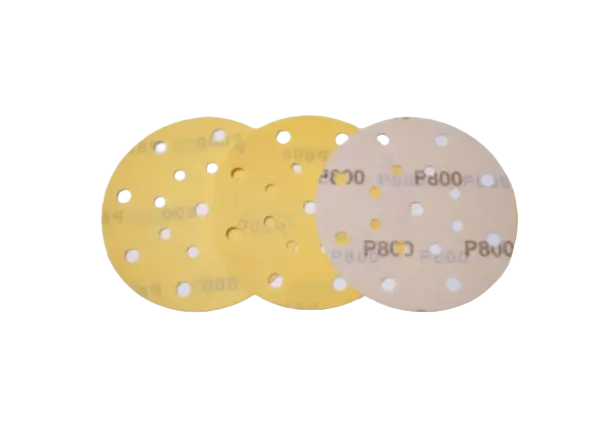
Hook and loop discs for quick replacement
PSA (Pressure Sensitive Adhesive) discs for secure attachment
Fiber discs for heavy grinding
Film-backed discs for precision finishing
Paper-backed discs for general sanding
Selecting the appropriate backing depends on your equipment and application.
To extend the life of ceramic sanding discs:
Apply moderate, even pressure rather than excessive force.
Use the recommended machine speed.
Keep the work surface clean.
Replace worn backing pads when necessary.
Store abrasives in a cool, dry environment.
Use dust extraction systems whenever possible.
Proper operating techniques improve both performance and abrasive life.
As production costs continue to rise, manufacturers are focusing on reducing downtime and improving efficiency. Ceramic sanding discs support these goals by delivering:
Faster grinding
Longer abrasive life
Reduced heat generation
Consistent surface finishes
Lower overall operating costs
These advantages make ceramic abrasives a smart investment for industries where productivity and quality are equally important.
At Fujistar Abrasives, we manufacture high-performance ceramic sanding discs designed for demanding industrial applications. Our products combine premium ceramic abrasive grains with durable backing materials to deliver reliable cutting performance and extended service life.
Our ceramic sanding discs offer:
High stock removal rates for improved productivity
Self-sharpening ceramic grains for consistent cutting
Long-lasting durability that reduces abrasive consumption
Stable performance on stainless steel, carbon steel, aluminum, and other metals
Multiple grit sizes, diameters, and backing options to suit various sanding machines
OEM and private label manufacturing services for distributors and global brands
With strict quality control and years of abrasive manufacturing experience, Fujistar provides solutions that help customers improve grinding efficiency while lowering total operating costs.
For heavy-duty grinding and high-volume production, ceramic sanding discs generally provide faster cutting, longer life, and lower overall operating costs.
Yes. They perform well on hardwood, engineered wood, MDF, and coated surfaces, particularly in demanding production environments.
They are ideal for stainless steel, carbon steel, aluminum, titanium, cast iron, fiberglass, composites, and many other industrial materials.
No. Most ceramic sanding discs are compatible with standard random orbital sanders, angle grinders, and industrial sanding machines, provided the correct disc size and attachment system are used.
Choosing the right abrasive can have a significant impact on productivity, finish quality, and operating costs. Thanks to their self-sharpening ceramic grains, ceramic sanding discs deliver faster cutting, longer service life, and more consistent performance than many conventional abrasives.
Whether you work in metal fabrication, automotive refinishing, woodworking, or composite manufacturing, investing in high-quality ceramic sanding discs can help reduce downtime, improve efficiency, and achieve superior surface finishes.
If you're looking for reliable abrasive solutions, Fujistar Abrasives offers a comprehensive range of ceramic sanding discs tailored to meet the needs of professional users and industrial manufacturers worldwide.