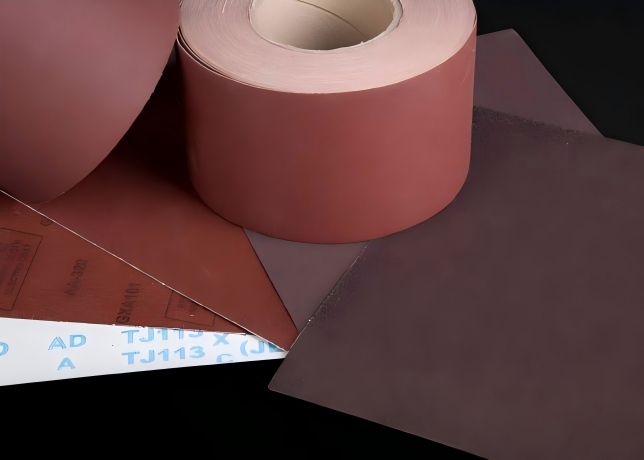
When selecting finishing abrasives for metal polishing and surface preparation, two traditional products often appear in technical discussions: crocus cloth and emery cloth.
Although they may look similar, they are designed for different purposes and deliver different finishing results. Understanding these differences helps manufacturers, maintenance technicians, and metal fabricators choose the right abrasive while avoiding unnecessary processing steps.
Explain:
Iron oxide abrasive
Ultra-fine polishing
Produces satin finish
Minimal stock removal
Used after conventional sanding
Applications
Jewelry
Precision instruments
Brass
Copper
Musical instruments
Fine metal polishing
Explain:
Natural emery mineral
Cloth backing
Higher cutting ability
Surface cleaning
Rust removal
Deburring
Applications
Steel fabrication
Automotive repair
Machine maintenance
Pipe finishing
Weld preparation
Include:
Abrasive material
Aggressiveness
Surface finish
Durability
Typical grit
Material compatibility
Cost
Modern alternatives
Recommend crocus cloth for:
Fine polishing
Recommend emery cloth for:
Surface preparation
Explain when modern aluminum oxide or ceramic abrasives outperform both.
Highlight that modern coated abrasives now replace traditional crocus and emery cloth in many industrial applications while still recognizing situations where each traditional product remains useful.