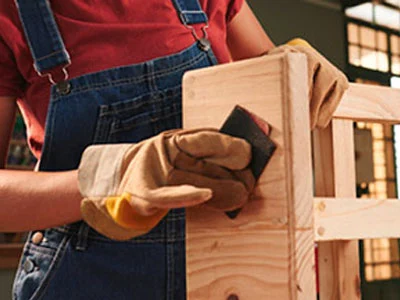
There are significant differences between aluminum oxide sandpaper and metallographic sandpaper in terms of composition, usage, and performance, but both belong to the category of abrasive materials and have different application scenarios.
Both aluminum oxide sandpaper and metallographic sandpaper are widely used in our daily lives and industrial production. However, they differ significantly in their use cases, performance characteristics, and manufacturing processes. So, is aluminum oxide sandpaper the same as metallographic sandpaper? The answer is clearly no.
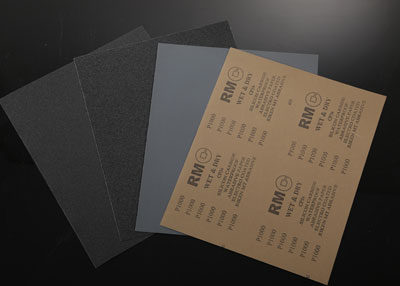
Aluminum oxide sandpaper is mainly composed of aluminum oxide particles and paper-based materials. Through a special process, the aluminum oxide particles are uniformly adhered to the paper base. Aluminum oxide sandpaper typically has high hardness and wear resistance, making it suitable for grinding and polishing hard materials like metals and glass.
On the other hand, metallographic sandpaper is a type of abrasive material specially used for metallographic sample preparation and observation. Its particles are finer, and it is usually manufactured through a special process to ensure obtaining a smoother and more uniform grinding surface during the metallographic sample preparation.
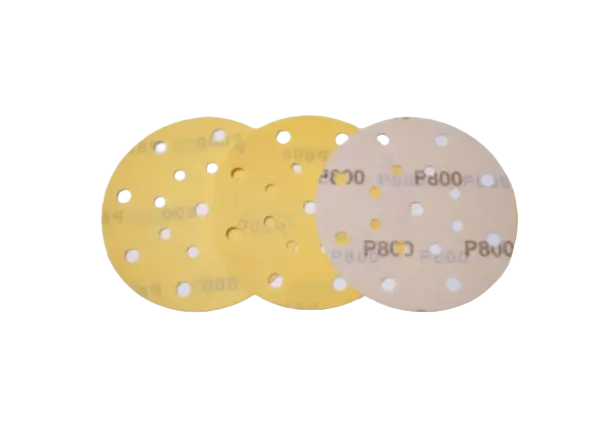
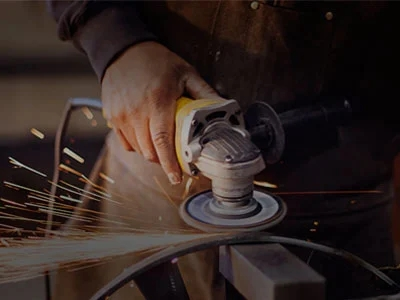
Due to its high hardness and wear resistance, aluminum oxide sandpaper is commonly used for grinding and polishing metal surfaces, as well as removing stains and scratches from surfaces. In industrial production, aluminum oxide sandpaper is also widely used in metal processing, automotive repair, and other fields.
Metallographic sandpaper, on the other hand, is mainly used for preparing metallographic samples, i.e., grinding and polishing metal samples to observe their internal structure and composition. Metallographic sandpaper can provide a more uniform and detailed grinding effect, helping researchers more accurately analyze the performance of metal materials.
Although aluminum oxide sandpaper and metallographic sandpaper have significant differences in composition, manufacturing process, and usage scenarios, they both belong to the category of abrasive materials and have the functions of grinding and polishing. In actual applications, we can choose the appropriate abrasive material based on specific needs and scenarios to achieve the best grinding effect.
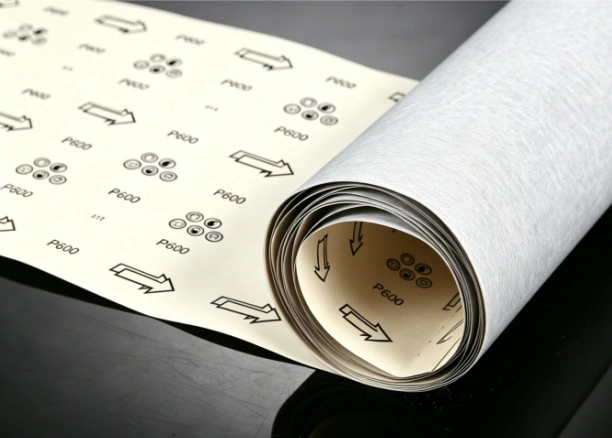
Moreover, aluminum oxide sandpaper and metallographic sandpaper have certain connections in their manufacturing processes. They both require a specific process to uniformly adhere abrasive particles to the base material to ensure stable and uniform grinding performance during use.
In summary, although both aluminum oxide sandpaper and metallographic sandpaper are abrasive materials, there are significant differences in composition, manufacturing process, usage scenarios, and performance characteristics. In actual applications, we need to choose the appropriate abrasive material based on specific needs and scenarios to achieve the best grinding effect.