Abrasive selection often happens at the final stage of a manufacturing or finishing process, but the decision made at this point can determine the quality, efficiency, and cost of the entire operation. A surface that requires aggressive material removal, a smooth finishing touch, or preparation before coating may all need completely different abrasive solutions.
This is where the discussion of emery cloth vs sandpaper becomes important. Although both materials are designed to remove surface imperfections and improve finishes, they follow different performance paths. Emery cloth is built around durability and resistance to demanding work conditions, while sandpaper focuses on flexibility, precision, and controlled surface results.
Understanding the difference between emery paper vs sandpaper helps professionals avoid choosing abrasives based only on appearance or price. By evaluating abrasive grain, backing material, working pressure, and application requirements, users can select a solution that improves productivity while achieving the desired surface quality. Fujistar Abrasives provides a range of abrasive solutions designed to support different industrial applications, helping customers make more informed abrasive selections.
The comparison of emery cloth vs sandpaper begins with their structure and intended purpose. Although both abrasive materials are commonly used for grinding, smoothing, and surface preparation, their construction creates different performance characteristics.
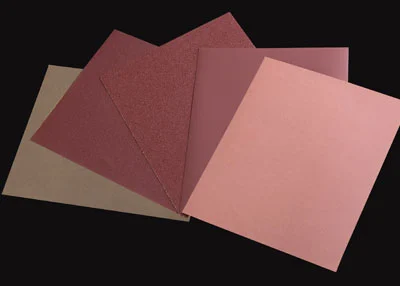
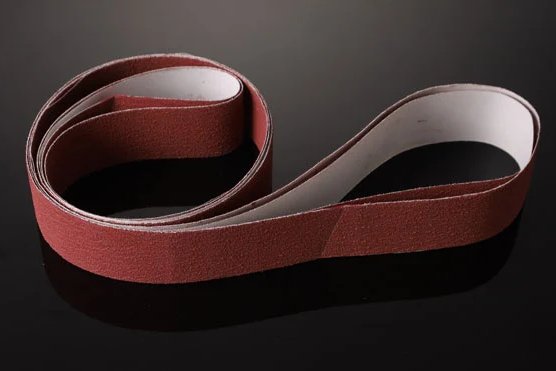
Emery cloth is made by bonding emery abrasive grains onto a cloth backing. Emery is a naturally occurring abrasive material containing aluminum oxide and iron oxide, known for its hardness and durability. The cloth backing provides excellent flexibility and resistance to tearing, allowing the abrasive to withstand repeated use in demanding environments.
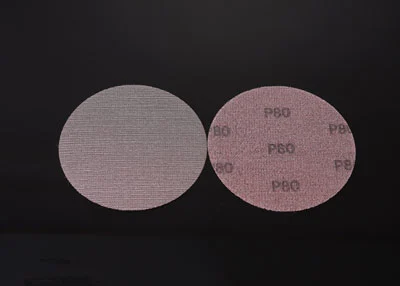
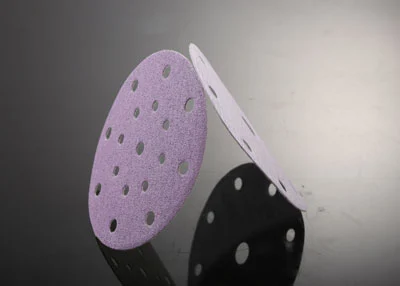
Sandpaper, on the other hand, uses abrasive grains attached to paper or flexible backing materials. Common abrasive grains include aluminum oxide and silicon carbide, which provide different cutting and finishing characteristics. Because sandpaper is available in a wide variety of grit sizes, it can be used for applications ranging from heavy surface preparation to delicate finishing work.
When comparing emery paper vs sandpaper, the key difference is not simply which material is stronger. Instead, the choice depends on whether the application requires long-lasting abrasion performance or greater control over the final surface appearance.
| Comparison Factor | Emery Cloth | Sandpaper |
|---|---|---|
| Abrasive Grain | Usually uses emery grain with strong cutting ability | Commonly uses aluminum oxide, silicon carbide, and other abrasive grains |
| Backing Material | Durable cloth backing with high flexibility and tear resistance | Paper or flexible backing designed for different finishing requirements |
| Main Strength | Durability and performance under repeated mechanical stress | Precision control and wide finishing options |
| Typical Applications | Metal preparation, rust removal, heavy-duty grinding | Wood finishing, coating preparation, polishing, precision surface work |
One of the most important advantages of emery cloth is its ability to maintain performance under challenging working conditions. The cloth backing provides better resistance against tearing, bending, and repeated friction compared with many paper-backed abrasives.
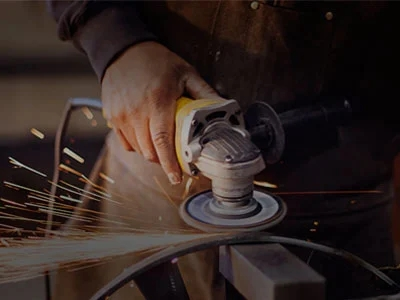
In metal fabrication and maintenance operations, emery cloth is often used for removing rust, cleaning metal surfaces, smoothing sharp edges, and preparing welded areas. These tasks frequently involve significant pressure and continuous abrasive contact, making durability an important factor.
The flexibility of emery cloth also allows it to adapt to curved or uneven surfaces. Operators can wrap it around different shapes while maintaining effective contact with the working area, which improves efficiency in manual finishing applications.
When evaluating emery cloth vs sandpaper for heavy-duty applications, emery cloth often provides advantages where abrasive strength and longer service life are priorities. Its ability to withstand demanding conditions makes it a practical choice for industrial environments that require reliable performance.
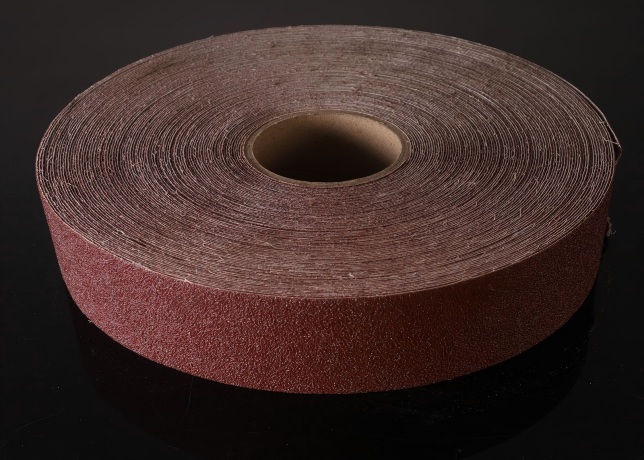
While emery cloth performs well in demanding conditions, sandpaper remains one of the most widely used abrasive solutions for precision finishing. Its biggest advantage is versatility, as different grit sizes allow users to control the level of material removal and surface smoothness.
Fine-grit sandpaper is commonly used for preparing painted surfaces, smoothing wood, refining metal finishes, and removing minor imperfections. In applications where appearance and surface texture are critical, the ability to gradually adjust finishing levels provides better control.
The comparison of emery paper vs sandpaper shows that sandpaper is often preferred when the goal is not aggressive material removal but achieving a specific surface condition. Different backing options and abrasive grain selections allow users to match the product with their finishing requirements.
For industries such as woodworking, automotive refinishing, and decorative manufacturing, sandpaper provides the flexibility needed to achieve consistent visual and functional results.
Fujistar Abrasives offers a variety of abrasive solutions designed for different grinding and finishing applications. Customers can explore suitable options through the company’s abrasive product solutions to better understand available abrasive choices.
The performance difference between emery cloth and sandpaper is closely related to abrasive grain characteristics and backing structure. These two elements determine how an abrasive cuts, wears, and interacts with different materials.
Abrasive grain selection influences cutting efficiency and finishing quality. Harder grains can provide stronger material removal, while specific grain shapes can create different cutting patterns and surface effects. This is why different abrasive products are developed for different processing requirements.
The backing material also plays a significant role. Cloth backings provide strength and flexibility, making them suitable for applications requiring durability and repeated use. Paper backings offer controlled flexibility and are often selected for lighter finishing operations where precision is more important.
Understanding these factors helps users make better decisions when comparing emery cloth vs sandpaper. The best abrasive choice depends on the complete product design rather than the abrasive name alone.
There is no single abrasive solution suitable for every material. The surface characteristics, hardness, processing method, and desired finish all influence whether emery cloth or sandpaper will deliver better results.
For hard metals such as steel and stainless steel, applications involving rust removal, surface cleaning, or heavy preparation often require an abrasive with strong durability. Emery cloth can provide stable performance in these environments because of its tough backing structure.
For softer materials such as wood, coatings, and plastic surfaces, sandpaper is often preferred because it allows more precise control over surface removal. Choosing the correct grit size helps achieve smooth finishes while reducing the risk of unwanted scratches.
Instead of asking whether emery paper vs sandpaper is universally better, users should consider which abrasive characteristics best match their actual working conditions.
Selecting the right abrasive solution requires balancing productivity, durability, and surface quality. The choice between emery cloth vs sandpaper depends on the specific goals of each application.
Emery cloth is often the better option when durability, flexibility, and resistance to repeated use are required. Sandpaper is typically the preferred choice when precise finishing control, multiple grit options, and surface refinement are more important.
A correct abrasive selection strategy can help businesses reduce material waste, improve production efficiency, and achieve more consistent results. Rather than choosing abrasives based only on cost, professionals should evaluate performance requirements and long-term application value.
Fujistar Abrasives helps customers identify suitable abrasive solutions based on different processing needs. Companies requiring technical guidance for abrasive selection can connect through the customer communication channel to discuss application requirements.
The difference between emery cloth vs sandpaper is mainly determined by application requirements. Emery cloth provides excellent durability and strength for demanding surface preparation tasks, while sandpaper offers greater flexibility and precision for controlled finishing work.
Understanding the difference between emery paper vs sandpaper enables manufacturers, technicians, and professionals to choose abrasive solutions more effectively. By considering material type, surface requirements, abrasive structure, and working conditions, users can improve efficiency while achieving better finishing results.
With extensive abrasive experience and a wide range of product solutions, Fujistar Abrasives supports customers in selecting reliable abrasive materials for industrial and commercial applications.
Emery cloth uses emery abrasive grains with a durable cloth backing, while sandpaper uses different abrasive grains attached to paper or flexible backing materials for various finishing tasks.
Yes. Emery cloth generally offers better durability and tear resistance because of its cloth backing, making it suitable for demanding applications.
Yes. Sandpaper provides more grit options and better control, making it suitable for applications requiring smooth and precise surface finishes.
Yes. Emery cloth is commonly used for metal preparation, rust removal, surface cleaning, and other heavy-duty applications.
The choice depends on the material being processed, required finish, working conditions, and whether durability or precision is the main priority.
Not always. Each abrasive material has different performance characteristics, so selecting the right product improves efficiency and surface quality.