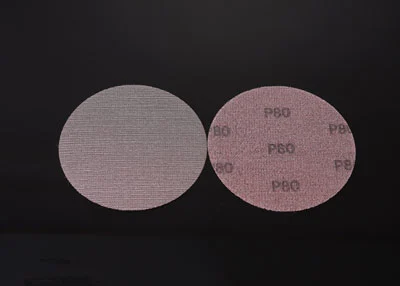
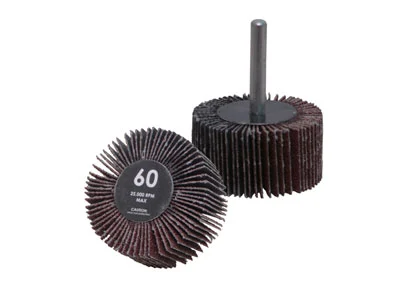
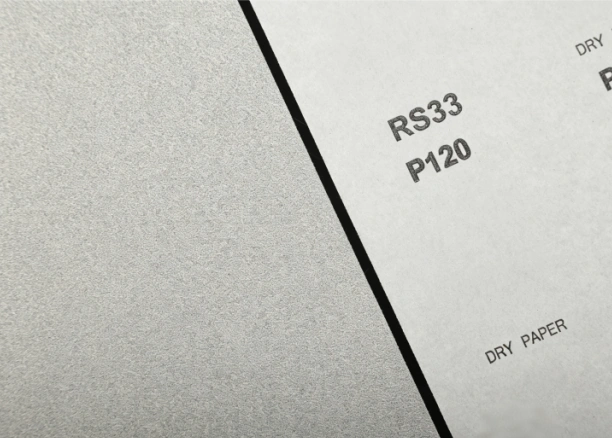
Foam sandpaper, as a unique abrasive tool, combines the flexibility of foam and the abrasive capability of sandpaper. It is widely used in various sanding and polishing scenarios. This article will detail the differences between foam sandpaper and traditional sandpaper, as well as the functions and applications of foam sandpaper.
1. Differences Between Foam Sandpaper and Traditional Sandpaper
1. Material
Foam sandpaper is made of sponge-like foam with abrasive grains attached to the surface. It is generally used for cleaning, polishing, and finishing tasks. Traditional sandpaper, on the other hand, is paper-based with abrasive grains on the surface, suitable for grinding, smoothing, and polishing.
2. Usage
Foam sandpaper is often used in home renovation, car repair, woodworking, and other fields. It is suited for sanding and polishing uneven surfaces. Traditional sandpaper has broader applications in metal, glass, and ceramics, and is used for finishing, stain removal, and surface polishing.
3. Effects
Foam sandpaper is characterized by low hardness, fine texture, and good elasticity, making it suitable for minor sanding and polishing, providing a smoother finish. Traditional sandpaper, being harder, has a stronger abrasive action that quickly removes surface imperfections but is also more likely to scratch surfaces.
2. How to Use Foam Sandpaper
When using foam sandpaper, choose the appropriate grit size according to your needs. Generally, coarse grit is used for quickly removing a large amount of material, while fine grit is suitable for detailed sanding. During use, maintain a proper angle between the sandpaper and the work surface, and apply moderate pressure to achieve the best sanding effect.
3. Applications of Foam Sandpaper
1. Woodworking: In woodworking, foam sandpaper is the ideal tool for sanding furniture and wooden surfaces. Its flexibility allows it to easily adapt to various complex shapes, achieving uniform sanding.
2. Car Repair: In the car repair industry, foam sandpaper is commonly used to remove blemishes and scratches from car paint surfaces. Detailed sanding can restore the gloss and smoothness of car paint.
3. Metalworking: Metal surfaces often require sanding to remove rust or uneven parts. The flexibility and abrasive power of foam sandpaper make it a helpful tool in metalworking processes.
4. Precautions and Purchasing Advice
When using foam sandpaper, it is essential to maintain the appropriate angle and pressure to avoid excessive wear or damage to the work surface. Additionally, regularly replacing the sandpaper to maintain optimal sanding performance is crucial.
Foam sandpaper, as an efficient and flexible abrasive tool, has wide applications in several fields. By understanding its characteristics and proper usage methods, we can better utilize this tool to enhance work efficiency and product quality.
When purchasing foam sandpaper, it is important to choose the appropriate grit size based on your needs. Generally, the finer the grit, the smoother the sanding effect. Also, check whether the abrasive grains are evenly distributed and not easily falling off. When buying traditional sandpaper, it is essential to choose the right type and grit size for the intended use.
Foam sandpaper and traditional sandpaper differ in terms of material, usage, and effect. They should be selected based on specific needs. Paying attention to some suggestions and precautions when purchasing and using them can prevent adverse effects on performance and safety.