Ceramic sandpaper plays a crucial role in the ceramic making process. It not only helps artists finely polish their works but also enhances the smoothness and texture of the ceramic surface. So, how do you choose the right ceramic sandpaper and use it properly? This article will give you a detailed introduction.
Compared to ordinary sandpaper, ceramic sandpaper has a more delicate material and grit to accommodate the fragile nature of ceramic materials. It usually uses high-quality abrasive and flexible paper base to ensure that it does not cause excessive damage while sanding ceramics. Additionally, ceramic sandpaper also has good wear resistance and durability, capable of meeting the needs of long-term, high-intensity use.
When choosing ceramic sandpaper, consider the following aspects:
1. Grit selection: Choose the appropriate sandpaper grit based on the roughness and precision requirements of the ceramic surface to be polished. Generally, coarse grit is suitable for initial sanding, while fine grit is suitable for detailed polishing.
2. Material consideration: Prefer sandpaper with uniform texture and moderate flexibility to ensure stability and durability during the sanding process.
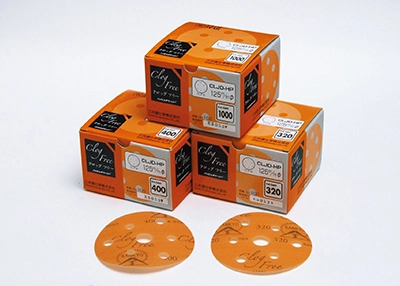
3. Brand reputation: Choosing a well-reputed brand that specializes in producing ceramic sandpaper is a wise move. Fujistar Abrasives specializes in producing ceramic sandpaper. Fujistar ceramic sandpaper, made with selected materials, has a longer lifespan and higher grinding efficiency compared to traditional sandpaper. It also features excellent dust removal and fast cutting performance, enabling higher production efficiency and faster cutting cycles.
1. Usage sequence: It is recommended to start with coarse grit sandpaper and gradually transition to fine grit to achieve progressive polishing of the ceramic surface.
2. Sanding direction: During the sanding process, maintain a consistent sanding direction and avoid back-and-forth operations to minimize scratches.
3. Force control: Use moderate force while sanding to avoid excessive pressure causing surface damage to the ceramic.
4. Regular inspection: Periodically check the smoothness of the ceramic surface while using sandpaper to adjust the sanding strategy timely.
By mastering the techniques of selecting and using ceramic sandpaper, artists can better complete the finishing touches of ceramic works, enhancing the overall texture and market value of the artwork. Moreover, proper usage of ceramic sandpaper can also extend its lifespan and reduce cost consumption.