When people make objects, many details need to be processed later. Handling these details inevitably involves cutting and sanding the raw materials. If sanding is required, sandpaper is indispensable. Depending on the raw materials, different types of sandpaper are chosen; dry sandpaper is the most frequently used, and another useful type is water sandpaper. There are significant differences between the two. This article will introduce the differences between dry sandpaper and water sandpaper.
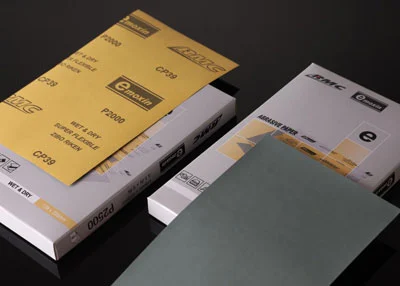
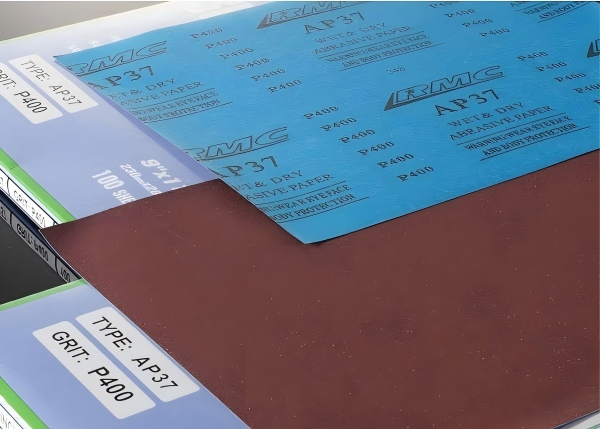
Water sandpaper, as the name suggests, is sandpaper that needs to be used with water or lubricants. It is primarily used for fine grinding, which can reduce the heat generated during sanding and prevent the workpiece surface from discoloring or burning. Dry sandpaper, on the other hand, does not require any lubricants and is used directly in a dry state.
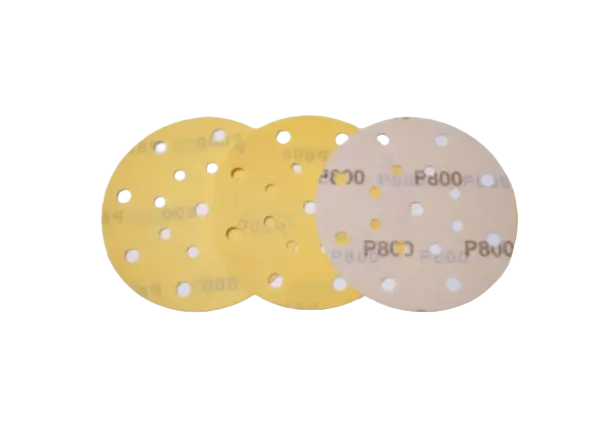
Dry sandpaper uses synthetic resin as a binder to attach silicon carbide abrasives to latex backing. It is coated with an anti-static layer to produce a high-end product that is clog-resistant, anti-static, flexible, and highly wear-resistant. Various fineness levels are available, suitable for sanding metal surfaces, putty, and coatings. Dry sandpaper generally uses specially treated kraft paper and latex paper, with natural and synthetic resin binders, manufactured by advanced high-static sanding technology. This product has high grinding efficiency and does not easily clog, making it suitable for dry sanding. It is widely used in furniture, decoration, and particularly for rough sanding.
1. Usage: Water sandpaper requires water or lubricants during the sanding process to reduce friction heat, improve sanding efficiency, and enhance the surface quality of the workpiece. Dry sandpaper, however, is used directly in a dry state without needing any lubricants.
2. Application Scenarios: Due to the characteristic of wet sanding, water sandpaper excels in high-precision, high-quality polishing tasks, such as polishing metal, glass, ceramics, etc. Dry sandpaper is more often used for rough processing or preliminary sanding, such as initial woodwork or metalwork sanding.
3. Grit: Water sandpaper generally has finer grit, suitable for fine polishing tasks. Dry sandpaper has a wide range of grit sizes, from coarse to fine, allowing choice according to different needs.
Although water sandpaper is designed to be used with water or lubricants, it can be used for dry sanding in some situations. However, the following points should be noted for dry sanding:
1. Grinding Effect: Without water or lubricants, the grinding effect may be poor and may not achieve the desired polishing effect.
2. Heat Issue: Dry sanding easily generates high heat, which may cause the workpiece surface to burn or discolor, especially for temperature-sensitive materials.
3. Sandpaper Lifespan: Dry sanding may accelerate the wear of the sandpaper, shortening its lifespan.
Therefore, although water sandpaper can theoretically be used for dry sanding, to ensure the best polishing effect and sandpaper lifespan, it is recommended to use water sandpaper with water or lubricants as originally designed.
In short, understanding the differences between water sandpaper and dry sandpaper and using them correctly can help us better complete various polishing tasks. In actual operations, the appropriate type of sandpaper and usage method should be chosen according to specific situations to achieve the best polishing effect and work efficiency.