When it comes to achieving a smooth, consistent finish, the quality of your abrasive matters just as much as your sanding technique. Among the many abrasive products available today, yellow sandpaper has become a popular choice in automotive refinishing, woodworking, furniture manufacturing, and industrial surface preparation.
But what exactly is yellow sandpaper? Is the color simply for identification, or does it indicate specific performance characteristics? More importantly, how do you choose the right grit and backing material for your application?
This guide explains everything you need to know about yellow sandpaper, including its construction, benefits, applications, grit selection, and key considerations when sourcing abrasives for professional use.
Yellow sandpaper is a coated abrasive product that features a yellow latex paper backing or specially treated paper substrate. The distinctive color helps users quickly identify the product, while the backing material provides excellent flexibility, durability, and resistance to tearing during sanding.
Unlike ordinary paper abrasives, high-quality yellow sandpaper is designed to withstand demanding industrial environments. Depending on the application, it may use premium abrasive grains such as:
Aluminum Oxide
Silicon Carbide
Ceramic Aluminum Oxide
Zirconia Alumina
Combined with advanced resin bonding technology, these abrasives deliver consistent cutting performance and a longer service life.
Professional users choose yellow sandpaper because it balances cutting efficiency, durability, and surface finish.
The latex-treated paper backing allows the abrasive to conform to curved or irregular surfaces without cracking, making it suitable for automotive bodywork, furniture edges, and shaped components.
Compared with standard paper abrasives, quality yellow sandpaper is less likely to tear during machine or hand sanding, reducing material waste and improving productivity.
Uniform abrasive grain distribution helps create even scratch patterns, making subsequent painting, coating, or polishing easier.
Premium resin bonding and durable backing materials help maintain cutting performance over extended sanding cycles.
Yellow sandpaper is available in various formats, including:
Sanding discs
Sanding sheets
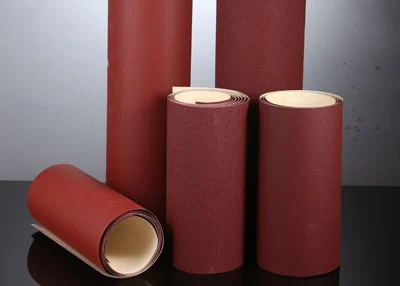
Sanding rolls
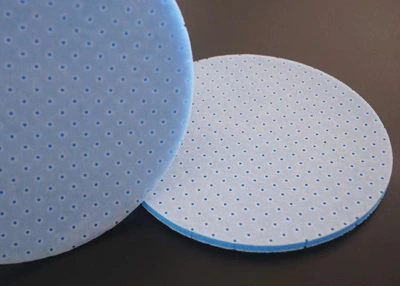
Hook & Loop discs
PSA (Pressure Sensitive Adhesive) discs
This versatility makes it suitable for orbital sanders, finishing sanders, hand sanding blocks, and other sanding equipment.
Automotive repair shops use yellow sandpaper throughout the refinishing process.
Typical applications include:
Paint removal
Primer sanding
Body filler shaping
Surface leveling
Blend preparation
Clear coat finishing
Its flexible backing allows technicians to sand curved body panels while maintaining an even finish.
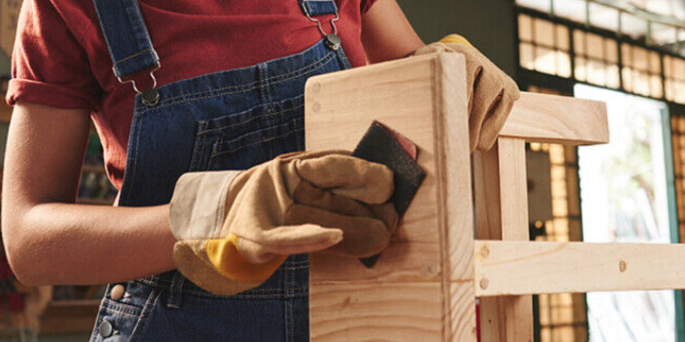
Woodworkers rely on yellow sandpaper for preparing surfaces before staining, painting, or varnishing.
Common uses include:
Hardwood furniture
Cabinets
Doors
Plywood
MDF
Decorative wood products
Consistent scratch patterns improve coating adhesion and reduce finishing defects.
Yellow sandpaper is widely used for:
Surface preparation
Rust removal
Weld blending
Deburring
Stainless steel finishing
Aluminum finishing
Selecting the appropriate grit helps achieve the desired finish while minimizing rework.
Composite manufacturers often use yellow sandpaper when processing:
Fiberglass
Carbon fiber
Plastic components
Marine products
Wind energy components
The flexible backing reduces the risk of damaging delicate composite surfaces.
Selecting the correct grit is essential for achieving the desired finish.
| Grit Range | Recommended Application |
|---|---|
| P40–P80 | Heavy material removal, paint stripping |
| P100–P150 | Surface leveling, shaping fillers |
| P180–P240 | General sanding before primer |
| P320–P400 | Fine sanding before painting |
| P500–P800 | Intermediate finishing |
| P1000–P3000 | Fine finishing and polishing preparation |
Using a gradual grit progression produces a smoother surface and reduces sanding time.
Although abrasive products come in different colors, color alone does not define quality. The backing material, abrasive grain, coating type, and manufacturing process have a much greater impact on performance.
| Feature | Yellow Sandpaper | Standard White Sandpaper |
|---|---|---|
| Backing | Latex-treated paper | Standard paper |
| Flexibility | Excellent | Moderate |
| Tear Resistance | High | Standard |
| Durability | Longer | Moderate |
| Industrial Use | Yes | General purpose |
Professional buyers should evaluate product specifications rather than relying solely on color.
When purchasing yellow sandpaper, consider the following factors.
Different grains are designed for different materials.
Aluminum Oxide – Wood, general metalworking
Silicon Carbide – Paint, plastic, glass, composites
Ceramic Grain – Heavy-duty industrial sanding
Zirconia Alumina – High-pressure grinding and metal fabrication
Choose latex paper for applications requiring flexibility and tear resistance.
Open-coat abrasives reduce loading when sanding soft materials like wood.
Closed-coat abrasives provide faster cutting on metal and hard surfaces.
Hook & Loop sanding discs with dust extraction holes improve sanding efficiency and create a cleaner working environment.
To maximize abrasive life and surface quality:
Select the appropriate grit for each sanding stage.
Avoid applying excessive pressure.
Replace worn abrasives before cutting performance declines.
Use dust extraction systems whenever possible.
Keep sanding pads clean and properly aligned.
Store abrasives in a cool, dry environment.
Proper sanding techniques improve productivity and reduce overall abrasive consumption.
At Fujistar Abrasives, we manufacture premium yellow sandpaper designed for demanding industrial applications. Our products combine high-quality abrasive grains with durable latex paper backing to deliver reliable cutting performance, long service life, and consistent finishing results.
Our advantages include:
Premium aluminum oxide and silicon carbide abrasive options
Strong latex paper backing with excellent flexibility
Uniform grain coating for consistent scratch patterns
Multiple grit sizes from coarse to ultra-fine finishing
Available as sanding sheets, discs, rolls, and Hook & Loop products
OEM and private label manufacturing for global distributors and brands
Strict quality control to ensure consistent performance across production batches
Whether you are an automotive refinishing supplier, woodworking manufacturer, or industrial distributor, Fujistar offers abrasive solutions tailored to your production requirements.
Yes. Yellow sandpaper is widely used for sanding body filler, primer, paint, and clear coats due to its flexibility and consistent cutting performance.
For most paint preparation, P320 to P400 provides a smooth surface while maintaining good coating adhesion. Always follow the paint manufacturer's recommendations.
Absolutely. It is commonly used for furniture, cabinetry, flooring, and general woodworking projects.
Not necessarily. Performance depends on the abrasive grain, backing material, resin system, and manufacturing quality rather than color alone.
Yellow sandpaper remains one of the most versatile abrasive products for professional surface preparation. Its durable backing, reliable cutting performance, and wide range of grit options make it suitable for automotive refinishing, woodworking, metal fabrication, and composite processing.
By selecting the correct grit and using high-quality abrasives from a trusted manufacturer, businesses can improve productivity, achieve better surface finishes, and reduce overall sanding costs.
If you're looking for dependable yellow sandpaper with consistent quality and OEM customization options, Fujistar Abrasives is ready to support your business with professional abrasive solutions for global markets.