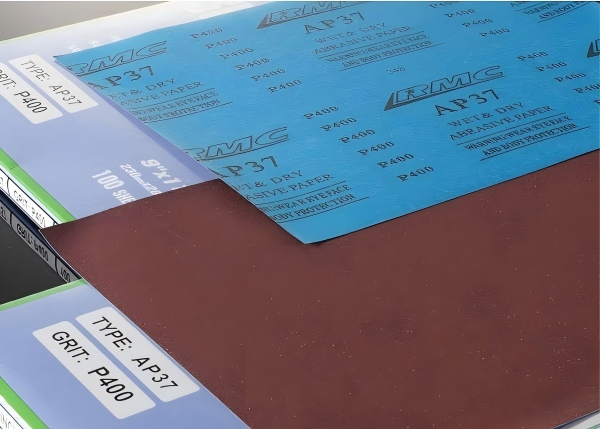
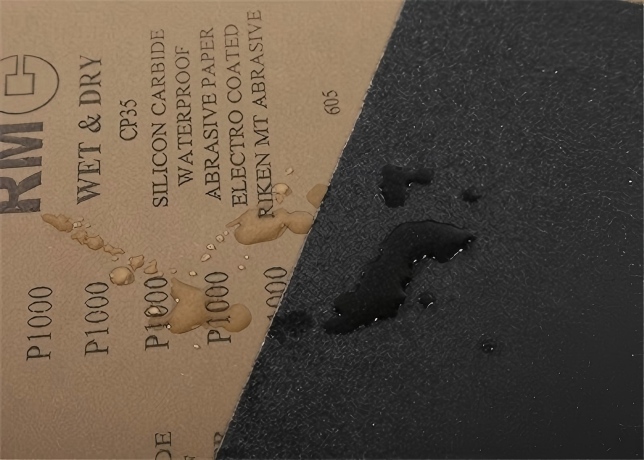
Created by countless small variables during the finishing process, surface imperfections are rarely caused by a single factor. From inconsistent scratch patterns and uneven finishes to unexpected material damage, many surface problems originate from the interaction between abrasive selection, operating conditions, and process control. For abrasives company specialists, understanding these relationships is essential for helping users achieve stable and repeatable finishing results.
As manufacturing industries continue demanding higher surface quality and tighter production standards, selecting the correct abrasive solution has become more complex. The performance of modern abrasives products depends not only on abrasive grain type but also on grit size, bonding structure, application method, and compatibility with the workpiece material.
Fujistar Abrasives supports professional users by providing abrasive solutions designed for different finishing challenges. By understanding common surface defects and the factors behind them, specialists can recommend more suitable abrasive options through the Fujistar Abrasives product solutions and help customers improve process reliability.
Surface defects often appear when an abrasive product does not match the requirements of the material or finishing process. Even high-quality abrasives can produce poor results if the selected grain type, grit size, or application method is unsuitable.
One common issue is an inconsistent scratch pattern. This usually occurs when abrasive particles remove material unevenly or when the abrasive surface cannot maintain stable contact with the workpiece. In precision applications, irregular scratches may create additional polishing or finishing requirements, increasing production time and cost.
Another frequent problem is surface overheating or material damage. Using an abrasive with excessive cutting aggressiveness can generate unnecessary friction and heat, which may affect sensitive materials such as coated surfaces, plastics, or precision components.
Loading is also a major concern during abrasive operations. When removed material accumulates between abrasive grains, cutting efficiency decreases and the surface quality may become inconsistent. Selecting suitable abrasives products with appropriate structures can help reduce clogging and maintain stable performance.
For specialized finishing processes, even small surface defects can affect coating adhesion, product appearance, or final performance. Identifying the source of these problems is the first step toward improving abrasive selection and application results.
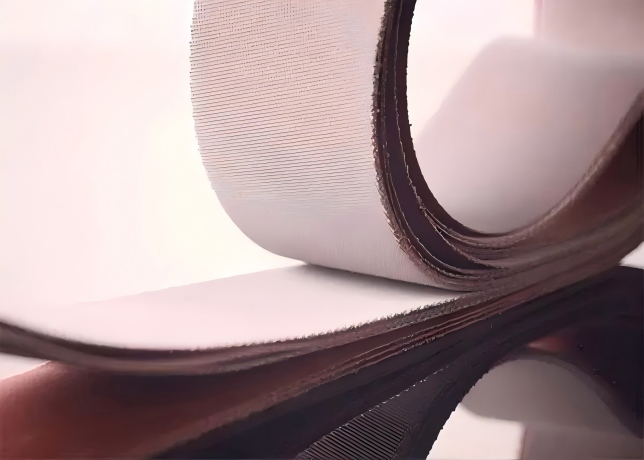
The characteristics of an abrasive directly influence how material is removed and how the final surface appears. Abrasive grain type, hardness, shape, grit size, and bonding system all contribute to finishing performance.
Abrasive grains with sharper cutting edges typically provide faster material removal, while finer and more controlled grains are often preferred for finishing applications where surface smoothness is the priority. Choosing the wrong balance can result in either insufficient cutting performance or excessive surface damage.
The role of a grinding compound is also important in certain finishing operations. A properly selected grinding compound can support controlled material removal, improve surface refinement, and reduce the risk of uneven finishing when used with compatible abrasive systems.
Different abrasive properties create different finishing behaviors. Hard abrasive grains may be suitable for difficult materials, while softer structures may provide better control on delicate surfaces. Similarly, abrasive bonding systems influence how long grains remain effective during operation.
| Abrasive Factor | Impact on Surface Performance | Potential Problem if Incorrectly Selected |
|---|---|---|
| Grit Size | Controls cutting ability and surface smoothness | Excessive scratches or insufficient material removal |
| Grain Type | Determines cutting behavior and durability | Reduced efficiency or surface damage |
| Bonding Structure | Affects abrasive lifespan and grain retention | Premature wear or unstable finishing results |
| Abrasive Compatibility | Influences performance on different materials | Loading, overheating, or inconsistent surfaces |
| Grinding Compound Selection | Supports controlled finishing in specific applications | Poor surface refinement or uneven results |
Understanding these abrasive characteristics allows abrasives company specialists to provide more accurate recommendations instead of relying only on general product selection methods.
When finishing results are inconsistent, the abrasive itself is not always the only cause. A complete diagnosis requires examining the interaction between abrasive selection, equipment settings, operator technique, and material conditions.
One important factor is pressure control. Excessive pressure can accelerate abrasive wear, increase heat generation, and create uneven surface patterns. On the other hand, insufficient pressure may prevent the abrasive from working effectively and reduce productivity.
Operating speed is another critical consideration. Different abrasive products are designed for different working conditions, and unsuitable speeds can influence cutting performance and surface quality. Matching equipment parameters with abrasive specifications helps achieve more stable results.
Environmental conditions can also affect finishing performance. Moisture, temperature, and contamination may influence abrasive behavior, especially in applications requiring high surface precision.
For this reason, professional abrasives company specialists often evaluate the complete process rather than focusing only on the abrasive material. A successful finishing solution requires understanding how all variables work together.
Selecting the correct abrasive type and grit size is one of the most effective ways to prevent surface imperfections. Different finishing stages require different levels of cutting ability and surface control.
Coarser abrasives are generally used when significant material removal is required, while finer abrasives are selected for surface refinement and preparation before coating or polishing. Choosing an unsuitable grit size can create unnecessary surface correction work.
The material being processed is equally important. Metals, wood, plastics, composites, and coated surfaces each respond differently to abrasive action. A solution that performs well on one material may create defects on another.
Modern abrasives products are available in various forms and specifications to address different industrial requirements. Fujistar Abrasives develops abrasive solutions that support different applications by considering material characteristics, finishing goals, and production conditions.
A carefully matched abrasive system can improve surface consistency, reduce processing time, and help manufacturers achieve better overall efficiency.
Even the most suitable abrasive product requires proper application techniques to achieve optimal performance. Improving process stability involves controlling several factors throughout the finishing operation.
Consistent movement patterns, appropriate working pressure, and correct equipment settings all contribute to more uniform results. Operators who understand abrasive behavior can reduce unnecessary surface variations and extend abrasive working life.
Proper maintenance is another important factor. Equipment conditions, backing pad quality, and dust removal systems can influence how abrasives perform during operation. Regular inspection helps prevent avoidable defects caused by unstable processing conditions.
In applications involving a grinding compound, correct application amount and distribution are equally important. Excessive or insufficient compound usage may affect surface quality and reduce finishing efficiency.
By combining suitable abrasives products with optimized application methods, manufacturers can create more reliable finishing processes and reduce quality fluctuations.
Preventing surface imperfections requires a proactive approach rather than simply correcting defects after they occur. Advanced manufacturing environments increasingly rely on data analysis, process monitoring, and optimized abrasive selection strategies.
One important approach is evaluating abrasive performance throughout its working life. Monitoring changes in cutting efficiency, surface quality, and wear behavior helps manufacturers determine when adjustments are needed.
Another strategy is improving communication between abrasive suppliers, equipment operators, and production teams. By sharing information about materials, process challenges, and desired outcomes, specialists can develop more effective finishing solutions.
The future of abrasive technology will continue moving toward higher precision and smarter process control. As industries demand better quality and efficiency, the role of professional abrasives company specialists will become increasingly important.
For companies seeking technical guidance on abrasive selection, application improvement, or finishing challenges, Fujistar Abrasives provides professional support through the Fujistar Abrasives contact .
Surface imperfections are often the result of complex interactions between abrasive properties, material characteristics, and application methods. For abrasives company specialists, understanding these factors is essential for developing reliable finishing solutions.
Choosing suitable abrasives products, selecting the correct grit size, and optimizing application techniques can significantly improve surface quality while reducing production issues. In specialized processes, the correct use of a grinding compound can also contribute to more controlled and consistent results.
As manufacturing requirements continue becoming more demanding, advanced abrasive knowledge will remain a key factor in achieving efficient and high-quality finishing performance. With the right abrasive technology and professional guidance, manufacturers can minimize surface defects and build more stable production workflows.
Common defects include uneven scratch patterns, surface overheating, material damage, excessive roughness, and inconsistent finishing results.
Grit size determines cutting aggressiveness and surface smoothness. Coarser grits remove more material, while finer grits provide smoother finishes.
Grinding compound helps support controlled material removal and surface refinement when used with compatible abrasive systems.
Inconsistent results may come from incorrect abrasive selection, unsuitable operating conditions, improper pressure, or equipment issues.
Manufacturers can reduce defects by selecting suitable abrasives products, optimizing application techniques, and monitoring process conditions.
Professional guidance helps match abrasive characteristics with specific materials and finishing requirements, improving efficiency and surface quality.