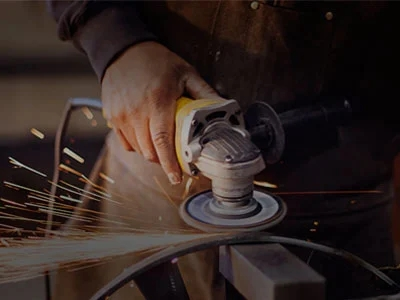
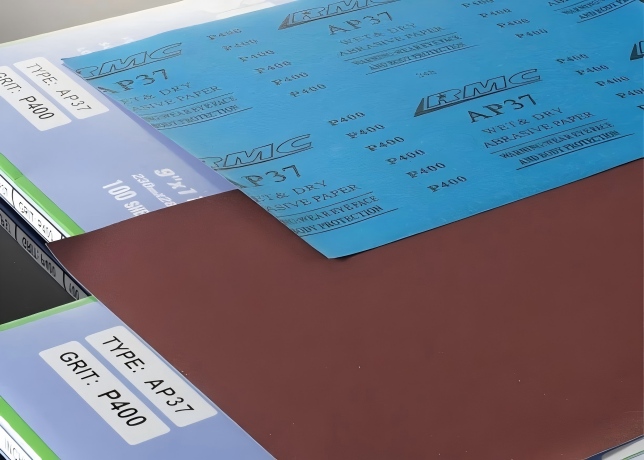
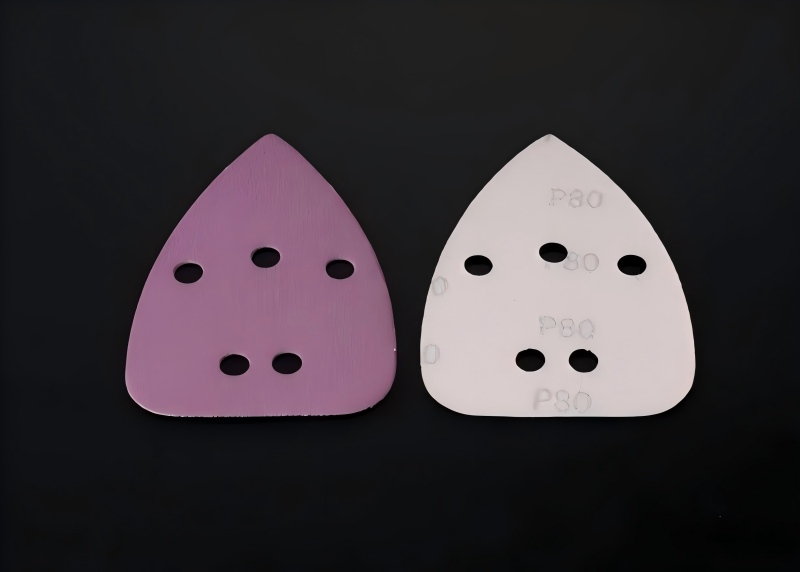
When abrasive tools fail earlier than expected, the problem is rarely limited to the abrasive itself. In many manufacturing operations, shortened abrasive life is the result of a combination of factors, including improper material matching, unstable process conditions, excessive mechanical stress, and unsuitable abrasive structures. These issues can gradually reduce production efficiency while increasing maintenance requirements and operating expenses.
For manufacturers relying on continuous grinding, sanding, and finishing processes, abrasive longevity has become an important factor in maintaining consistent output. Selecting the right abrasive products and understanding how they behave under real working conditions can help extend service intervals, improve surface quality, and minimize avoidable production disruptions.
Fujistar Abrasives applies technical knowledge of abrasive design and application requirements to provide dependable solutions for different industrial finishing challenges. By analyzing wear mechanisms, grinding material characteristics, and process parameters, manufacturers can develop a more efficient approach to abrasive selection and long-term production management.
In industrial production, abrasive wear is not simply a sign that a tool needs replacement. The way an abrasive wears determines whether a manufacturing process remains stable or gradually loses efficiency. During grinding, sanding, and surface finishing operations, abrasive grains remove material through controlled cutting actions. Over time, these grains experience fracture, dulling, loading, and bond degradation.
Abrasive products with predictable wear behavior can maintain consistent cutting performance for a longer period. However, when wear occurs too quickly or unevenly, manufacturers may experience higher abrasive consumption, increased machine adjustments, and inconsistent surface results.
The impact of abrasive wear on production efficiency can be seen in several areas:
| Abrasive Wear Issue | Effect on Manufacturing | Potential Improvement |
|---|---|---|
| Fast grain breakdown | Shorter replacement intervals and higher operating costs | Select abrasive grains with suitable durability |
| Surface loading | Reduced cutting efficiency and poor finishing quality | Choose abrasive structures designed for debris removal |
| Uneven abrasive wear | Inconsistent surface appearance and process instability | Optimize pressure, speed, and application methods |
| Bond deterioration | Premature tool failure and unexpected downtime | Use abrasive products matched to working conditions |
For production lines operating continuously, improving abrasive wear control can create significant efficiency gains. A longer-lasting abrasive reduces interruptions, lowers material waste, and helps maintain predictable manufacturing output.
The actual service life of abrasive products depends on more than product specifications. Real production environments introduce many variables that influence abrasive durability and cutting performance.
One of the most common causes of premature abrasive failure is excessive working pressure. Operators may increase pressure in an attempt to accelerate material removal, but excessive force often causes abrasive grains to fracture before they can complete their intended cutting cycle. This increases wear without necessarily improving productivity.
Heat generation is another important factor. During high-speed applications, friction between the abrasive and workpiece can create significant temperatures. Excessive heat may weaken bonding systems, affect surface quality, and shorten abrasive lifespan. Proper speed selection, cooling methods, and abrasive design are essential for controlling thermal stress.
Material debris can also reduce abrasive performance. When removed particles accumulate on the abrasive surface, they block active cutting edges and create loading problems. This is especially common when processing soft metals, coatings, plastics, and other materials that generate sticky residues.
Additional factors that influence abrasive service life include:
Incorrect abrasive grade selection
Unstable machine operation or excessive vibration
Improper storage and handling before use
By identifying these factors early, manufacturers can move from frequent abrasive replacement toward a more predictable maintenance strategy.
The relationship between the workpiece and the grinding material plays a major role in determining abrasive efficiency. Different materials require different abrasive characteristics because hardness, surface structure, heat sensitivity, and cutting resistance vary widely.
For example, soft metals such as aluminum can create loading problems if the abrasive structure does not allow sufficient chip removal. Hard alloys often require stronger abrasive grains that can withstand higher cutting forces. Stainless steel applications may require abrasives that balance sharp cutting ability with heat resistance to prevent surface damage.
Using an unsuitable abrasive product can shorten service life even when the abrasive itself is manufactured to a high standard. The best results come from matching abrasive characteristics with the specific requirements of the application.
Fujistar Abrasives provides different abrasive solutions designed for various industrial requirements. Manufacturers can review available options through the company’s abrasive products selection to better understand suitable choices for different finishing processes.
| Material Type | Main Processing Challenge | Recommended Abrasive Characteristics |
|---|---|---|
| Aluminum | Abrasive loading and reduced cutting ability | Open structure and efficient debris removal |
| Stainless Steel | Heat buildup and surface discoloration | Sharp grains with stable cutting performance |
| Carbon Steel | High material removal requirements | Durable grain structure for heavy applications |
| Composite Materials | Surface tearing and uneven finishing | Controlled cutting action and consistent wear |
Even high-quality abrasive products can experience shortened service life if process conditions are not properly controlled. Manufacturing efficiency depends on creating a balanced relationship between abrasive selection, machine settings, and operator techniques.
Grinding speed, applied pressure, feed rate, and equipment alignment all influence abrasive performance. When these parameters are inconsistent, abrasive wear becomes unpredictable and surface quality may vary between production batches.
A practical process control strategy includes monitoring abrasive wear patterns, adjusting machine parameters based on material conditions, and replacing abrasives according to actual performance rather than fixed assumptions.
For example, replacing an abrasive too early increases material costs, while using an abrasive beyond its effective working condition may result in defective surfaces or additional rework. A data-based replacement approach helps manufacturers achieve better cost control and production consistency.
Monitor changes in cutting efficiency
Track surface finish quality during production
Adjust operating parameters when wear behavior changes
The internal structure of an abrasive product determines how effectively it can maintain performance throughout its working life. Abrasive grain type, bonding system, coating technology, and backing material all contribute to overall durability and cutting stability.
A well-designed abrasive structure allows worn grains to release gradually and expose fresh cutting edges. This controlled self-sharpening behavior helps maintain consistent material removal without sudden performance drops.
The quality of grinding material is also closely connected with surface finishing results. A properly engineered abrasive can provide a balance between aggressive cutting and controlled wear, which is especially important for industries requiring repeatable surface quality.
When evaluating abrasive products, manufacturers should consider long-term performance rather than only initial cutting speed. An abrasive with a slightly higher initial cost may provide better overall value if it reduces replacement frequency and improves production stability.
Long-life abrasive technologies help manufacturers build more reliable production workflows by reducing interruptions and improving process predictability. However, achieving maximum abrasive efficiency requires a complete approach that combines product selection, application knowledge, and process optimization.
Manufacturers can improve abrasive utilization by selecting the appropriate abrasive type for each material, maintaining correct machine parameters, and regularly evaluating finishing results. These practices reduce unnecessary consumption while supporting consistent production quality.
Fujistar Abrasives works with industrial users to provide abrasive solutions that support different surface preparation and finishing applications. Companies seeking further technical assistance or application recommendations can connect with the Fujistar team through the contact us page.
Maximizing abrasive product longevity requires a technical understanding of wear behavior, material compatibility, process conditions, and abrasive structure. Abrasive failure is often caused by multiple factors working together, which means improving performance requires more than simply choosing a stronger abrasive.
By selecting suitable abrasive products, optimizing production parameters, and choosing the right grinding material for each application, manufacturers can reduce downtime, improve finishing consistency, and achieve better operational efficiency. A well-planned abrasive management strategy transforms abrasives from basic consumables into important tools for improving manufacturing performance.
The lifespan of abrasive products depends on abrasive structure, workpiece material, operating pressure, machine conditions, and process parameters.
Premature failure is usually caused by incorrect material matching, excessive pressure, overheating, loading, or unsuitable operating conditions.
The right grinding material improves cutting efficiency, controls wear behavior, and helps maintain stable finishing results.
Yes. Proper abrasive selection, process optimization, and wear monitoring can significantly extend abrasive service intervals.
Abrasive loading occurs when removed material accumulates between abrasive grains and reduces cutting effectiveness.
Companies should evaluate workpiece material, required finish quality, production conditions, and abrasive durability before making a selection.