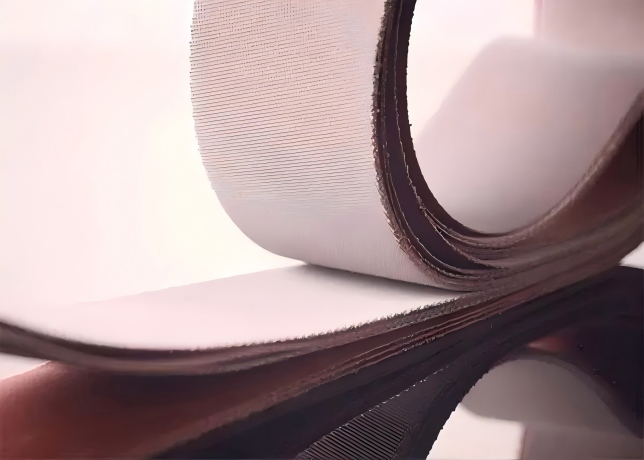
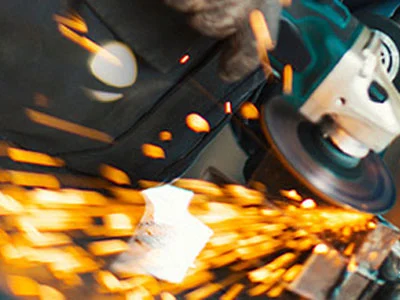
Heavy-duty metal grinding requires more than simple material removal. In demanding industrial environments, abrasive performance directly affects productivity, surface quality, and overall operating efficiency. When processing tough metals, removing welds, or preparing surfaces for further treatment, choosing an abrasive that can maintain cutting power under pressure is essential.
This is where zirconia alumina sandpaper demonstrates its advantages. Combining the toughness of zirconia with the cutting ability of aluminum oxide, this advanced abrasive solution is designed for aggressive grinding applications where durability, efficiency, and consistent performance are critical.
Unlike conventional abrasives that may quickly lose their sharpness during intensive grinding, zirconia alumina abrasives feature a self-sharpening grain structure that helps maintain effective cutting action throughout the working process. This makes them particularly suitable for heavy-duty metal applications, including steel fabrication, weld grinding, stainless steel processing, and surface preparation.
In this guide, we will explore the material characteristics, performance advantages, industrial applications, and selection considerations of zirconia alumina sandpaper, helping professionals understand why it has become a preferred abrasive choice for challenging metal grinding operations.
The performance of an abrasive product depends heavily on its grain composition, structural design, and interaction with the workpiece material. Zirconia alumina sandpaper is engineered by combining zirconium oxide and aluminum oxide components to create an abrasive grain with excellent toughness and cutting performance.
Compared with standard aluminum oxide abrasives, zirconia alumina grains are designed to withstand higher grinding pressure and more demanding working conditions. The grain structure allows controlled micro-fracturing during use, exposing new sharp edges that continue cutting material efficiently.
This self-renewing behavior is one of the key reasons zirconia alumina abrasives perform well in heavy-duty applications. Instead of becoming completely dull after prolonged use, the abrasive surface continuously refreshes itself, helping maintain grinding efficiency and extending product lifespan.
The backing material of zirconia alumina sandpaper also plays an important role in overall performance. High-quality coated abrasive products typically use durable cloth backings that provide flexibility, strength, and resistance to tearing during aggressive grinding operations.
The combination of advanced grain technology and strong backing construction enables zirconia alumina abrasives to handle demanding tasks while providing stable cutting performance. This makes them an effective solution for professional users who require reliable abrasive performance in challenging industrial environments.
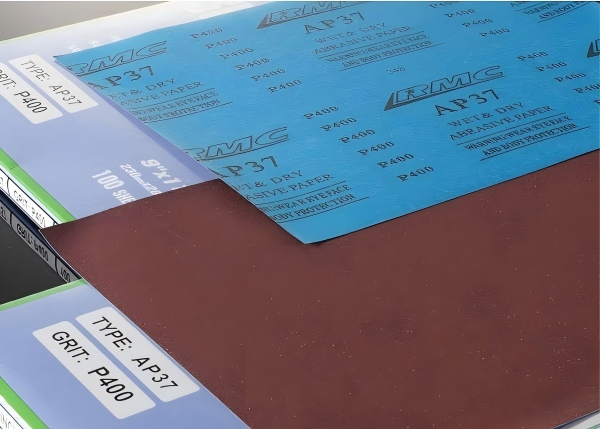
Heavy-duty metal grinding places significant demands on abrasive materials. Operators often need to remove large amounts of material quickly while maintaining control over surface quality and minimizing downtime. Zirconia alumina sandpaper is specifically designed to meet these requirements.
One of the primary advantages of zirconia alumina abrasives is their ability to deliver aggressive cutting performance. The tough abrasive grains maintain sharp cutting edges even under high pressure, allowing users to complete grinding operations more efficiently.
This characteristic is especially valuable in applications such as weld removal, edge grinding, and heavy material stock removal. Instead of relying on frequent abrasive replacement, users can achieve longer grinding cycles with consistent performance.
Heat management is another important consideration in metal grinding. Excessive heat can affect both the abrasive lifespan and the quality of the finished surface. The efficient cutting action of zirconia alumina reduces unnecessary friction, helping maintain better grinding conditions during demanding operations.
For industries focused on productivity, zirconia alumina sandpaper provides a practical balance between cutting speed, durability, and operational cost. Its ability to perform under pressure makes it a valuable abrasive solution for professional metalworking applications.
The effectiveness of an abrasive depends not only on initial cutting ability but also on how well it maintains performance throughout its service life. zirconia alumina sandpaper is widely recognized for its combination of self-sharpening capability, durability, and strong cutting power.
The self-sharpening mechanism allows zirconia alumina grains to fracture gradually during grinding. As worn grain edges break away, new sharp cutting points are exposed, helping the abrasive continue removing material effectively.
Durability is another major advantage. Compared with many general-purpose abrasive products, zirconia alumina solutions are better suited for high-pressure grinding because their grain structure can withstand demanding working conditions.
This extended working life can help reduce abrasive consumption, minimize production interruptions, and improve overall grinding efficiency. For manufacturers and fabrication professionals, these benefits contribute to more predictable processing results.
Beyond durability, cutting power remains a defining feature of zirconia alumina technology. The abrasive grains are capable of aggressive material removal while maintaining sufficient control for surface preparation and finishing operations.
Choosing the right abrasive technology is essential for achieving efficient metal grinding results. While different abrasive materials have their own advantages, zirconia alumina sandpaper is often preferred for heavy-duty applications because of its balance between cutting performance, durability, and cost efficiency.
Compared with traditional aluminum oxide abrasives, zirconia alumina provides greater toughness and better performance under high-pressure grinding conditions. Aluminum oxide remains a versatile abrasive for general-purpose applications, but zirconia alumina is typically more suitable for aggressive material removal and demanding metalworking tasks.
Ceramic abrasives offer excellent cutting ability and are commonly used in high-performance grinding applications. However, zirconia alumina provides a practical combination of performance and versatility, making it suitable for a wide range of fabrication and maintenance operations.
| Comparison Factor | Zirconia Alumina Sandpaper | Aluminum Oxide Abrasives | Ceramic Abrasives |
|---|---|---|---|
| Abrasive Grain Structure | Tough zirconia-alumina grains with self-sharpening characteristics | Reliable aluminum oxide grains for general grinding | Engineered ceramic grains designed for high-performance cutting |
| Heavy-Duty Grinding Performance | Excellent for high-pressure metal grinding and stock removal | Suitable for light to medium grinding applications | Excellent for demanding industrial grinding conditions |
| Durability | High durability with extended abrasive life | Good durability for standard applications | Very high durability in specialized applications |
| Typical Applications | Metal fabrication, weld grinding, stainless steel processing | General sanding, finishing, and surface preparation | Precision grinding and advanced manufacturing |
| Cost Efficiency | Strong balance between performance and operating cost | Economical choice for general-purpose sanding | Higher-performance option for specialized processes |
For professionals working with demanding metal applications, zirconia alumina sandpaper offers a reliable combination of performance and versatility. It provides the cutting efficiency needed for heavy grinding while maintaining sufficient durability for long-term use.
The excellent performance characteristics of zirconia alumina abrasives make them suitable for various industrial applications where strong cutting ability and long service life are required. From metal fabrication workshops to large-scale manufacturing environments, zirconia alumina sandpaper helps improve grinding efficiency and surface consistency.
In metal fabrication, zirconia alumina products are commonly used for removing excess material, smoothing edges, and preparing metal components before assembly or coating. Their aggressive cutting action makes them suitable for processing carbon steel, stainless steel, and other industrial metals.
Welding operations are another important application area. Weld seams often require grinding, blending, and surface refinement before final inspection or finishing. The durability of zirconia alumina abrasives allows operators to remove weld material efficiently while maintaining better control over the final surface condition.
Surface preparation is also a common use for zirconia alumina sandpaper. Before painting, coating, or bonding processes, metal surfaces often require cleaning and controlled abrasion. Zirconia alumina abrasives provide consistent performance for removing oxidation, imperfections, and surface irregularities.
Other applications include automotive manufacturing, structural steel processing, industrial equipment maintenance, and general metalworking. As industries continue to demand higher productivity and improved process reliability, zirconia alumina remains an important abrasive technology for heavy-duty grinding.
Fujistar Abrasives provides a wide range of professional abrasive products designed for different industrial requirements. Customers can explore suitable abrasive solutions through the Fujistar Abrasives product to identify products that match their grinding and finishing needs.
Selecting the appropriate abrasive product is essential for achieving the best grinding performance. Although zirconia alumina sandpaper is highly effective for heavy-duty metal applications, factors such as material type, grinding pressure, equipment, and desired surface finish should be considered before making a final selection.
The first factor is the workpiece material. Hard metals and stainless steel often require abrasives with strong cutting ability and high durability. Zirconia alumina abrasives are well suited for these applications because they can maintain performance during intensive grinding.
Grit size is another important consideration. Coarser grits are generally used for faster material removal, weld grinding, and surface leveling, while finer grits are more suitable for finishing and surface refinement.
The backing type also influences abrasive performance. Cloth-backed zirconia alumina products typically provide better flexibility and strength, making them suitable for aggressive industrial grinding where durability is required.
Working conditions should also be evaluated, including grinding speed, pressure level, and equipment type. Selecting the correct abrasive specification helps maximize product life, improve efficiency, and achieve consistent results.
With professional abrasive knowledge and product expertise, Fujistar Abrasives helps customers identify suitable solutions for different metal grinding applications. For technical consultation or product recommendations, users can contact the Fujistar Abrasives team.
For heavy-duty metal grinding applications, abrasive selection plays a critical role in productivity, surface quality, and operational efficiency. Zirconia alumina sandpaper has become a preferred choice because of its excellent combination of cutting power, durability, and self-sharpening performance.
Compared with conventional abrasive technologies, zirconia alumina abrasives provide superior performance in demanding applications such as weld grinding, metal fabrication, and surface preparation. Their ability to maintain cutting efficiency under pressure makes them suitable for professionals seeking reliable and consistent grinding results.
By understanding abrasive characteristics, application requirements, and operating conditions, users can select the most suitable product for their specific needs. With advanced abrasive technology and professional support from Fujistar Abrasives, businesses can improve grinding efficiency, reduce downtime, and achieve higher-quality surface finishes.
Zirconia alumina sandpaper is mainly used for heavy-duty metal grinding, weld removal, surface preparation, and fabrication applications where high cutting efficiency and durability are required.
Zirconia alumina abrasives feature tough grains and self-sharpening characteristics, allowing them to maintain cutting performance during high-pressure grinding operations.
Zirconia alumina generally provides better performance for aggressive grinding and high-pressure applications, while aluminum oxide is widely used for general-purpose sanding and finishing.
Yes. Zirconia alumina sandpaper is commonly used for stainless steel grinding, weld blending, and surface preparation because of its durability and efficient cutting ability.
The appropriate grit size depends on the application. Coarse grits are suitable for heavy material removal, while finer grits are used for finishing and surface refinement.
Using the correct grit size, applying suitable grinding pressure, and selecting abrasives designed for the specific material can help maximize zirconia alumina abrasive performance and lifespan.