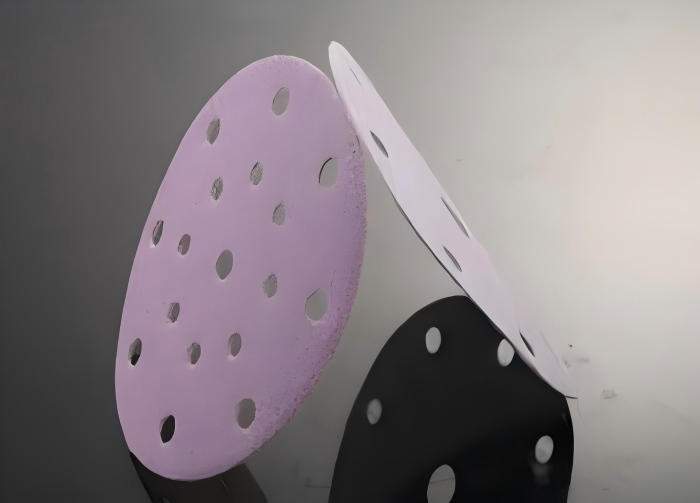
Choosing the right abrasive paper is more than simply selecting a grit number. The abrasive grain, backing material, coating type, and intended application all influence sanding performance, surface quality, and overall production efficiency.
Whether you're manufacturing furniture, refinishing vehicles, fabricating metal components, or producing composite materials, understanding the different abrasive paper types can help reduce material waste, improve productivity, and achieve a more consistent finish.
In this guide, we'll explain the most common abrasive paper types, their applications, and how to select the best option for your project.
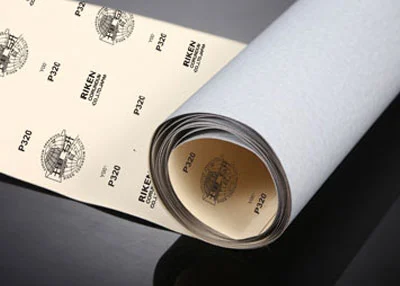
Abrasive paper, commonly known as sandpaper, is a coated abrasive product made by bonding abrasive grains to a flexible backing material such as paper, cloth, film, sponge, or mesh.
During sanding, the abrasive particles cut away material from the workpiece to smooth surfaces, remove coatings, eliminate imperfections, or prepare substrates for painting or finishing.
Modern abrasive papers are available in hundreds of specifications to suit different industries and materials.
Professional abrasive papers are generally classified by four key factors:
Abrasive grain
Backing material
Coating structure
Grit size
Each factor affects cutting speed, durability, flexibility, and finish quality.
Aluminum oxide is the most widely used abrasive material because it offers an excellent balance of cutting performance, durability, and cost.
Hardwood
Softwood
Steel
Carbon steel
Painted surfaces
General-purpose sanding
Long service life
Good wear resistance
Suitable for manual and machine sanding
Cost-effective
This is often the first choice for woodworking and general industrial applications.
Silicon carbide is sharper than aluminum oxide but more brittle.
It cuts quickly and produces a finer scratch pattern.
Glass
Stone
Ceramics
Plastic
Fiberglass
Paint finishing
Wet sanding
Fast cutting
Excellent surface finish
Ideal for wet sanding
Suitable for hard materials
Ceramic abrasives are premium products designed for demanding industrial environments.
Their self-sharpening grains maintain aggressive cutting performance throughout their service life.
Stainless steel
Alloy steel
Titanium
Heavy stock removal
Industrial fabrication
Extremely long life
High cutting efficiency
Excellent heat resistance
Reduced sanding time
Zirconia combines toughness with excellent durability.
It performs particularly well under high pressure.
Weld removal
Heavy metal grinding
Stainless steel
Structural steel
High durability
Fast stock removal
Long working life
The backing determines flexibility, strength, and durability.
Paper-backed abrasives are the most common option.
They are lightweight, flexible, and economical.
Applications include:
Furniture
Paint preparation
Hand sanding
Automotive repair
Cloth-backed abrasives are much stronger than paper.
They resist tearing during heavy-duty sanding.
Suitable for:
Metal fabrication
Belt sanding
Industrial production
High-pressure applications
Film-backed abrasives provide superior dimensional stability.
Benefits include:
Uniform scratch pattern
Excellent edge retention
Longer service life
Precision finishing
These are widely used in automotive refinishing.
Net abrasives feature an open mesh structure that enables nearly full-surface dust extraction.
Advantages include:
Reduced clogging
Longer abrasive life
Cleaner work environment
Better sanding consistency
Net abrasives are increasingly popular in woodworking and automotive industries.
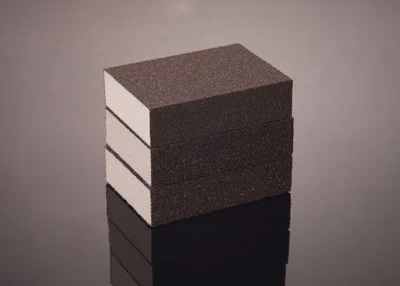
Sponge-backed abrasives conform to curved and irregular surfaces.
Common applications include:
Decorative woodworking
Automotive detailing
Drywall sanding
Hand finishing
Open coat abrasives leave spaces between abrasive grains.
Benefits include:
Reduced clogging
Better dust removal
Longer sanding life on soft materials
Ideal for:
Softwood
Resinous wood
Paint
Fillers
Closed coat abrasives have nearly complete grain coverage.
Advantages include:
Higher cutting rate
Greater stock removal
Longer life on hard materials
Recommended for:
Metal
Hardwood
Composite materials
Choosing the correct grit sequence is essential for achieving a smooth finish.
| Grit Range | Typical Application |
|---|---|
| P40–P60 | Heavy material removal |
| P80–P120 | Surface leveling |
| P150–P220 | General finishing |
| P240–P400 | Surface preparation before painting |
| P600–P1000 | Fine finishing |
| P1200–P3000 | Polishing preparation |
Rather than skipping directly from a coarse grit to a very fine grit, progressing through intermediate grits helps minimize scratches and improves finish quality.
Recommended:
Aluminum oxide
Open coat
Paper backing
P80–P240
Recommended:
Ceramic
Zirconia
Cloth backing
Closed coat
Recommended:
Silicon carbide
Film backing
Net abrasives
Fine grit sanding
Recommended:
Ceramic
Silicon carbide
Net abrasives
Vacuum sanding systems
Recommended:
Silicon carbide
Fine grit
Wet sanding
Many users experience inconsistent results because of improper abrasive selection.
Avoid these common mistakes:
Using coarse grit for finishing work
Applying excessive sanding pressure
Ignoring backing strength requirements
Choosing the wrong abrasive grain for the material
Using paper backing for heavy industrial applications
Skipping grit sizes during sanding
Selecting the correct abrasive from the start reduces rework, saves time, and extends abrasive life.
Premium abrasive paper offers several long-term advantages over lower-quality alternatives:
Consistent cutting performance
Longer service life
Reduced abrasive consumption
Better surface quality
Higher production efficiency
Lower overall operating costs
Although premium abrasives may have a higher purchase price, their durability and performance often deliver a lower total cost per finished part.
At Fujistar Abrasives, we manufacture a comprehensive range of coated abrasive solutions for professional and industrial applications. Our product portfolio includes abrasive paper, sanding discs, sanding rolls, abrasive belts, net abrasives, film abrasives, and customized OEM solutions.
High-performance aluminum oxide, silicon carbide, ceramic, and zirconia abrasive grains
Consistent coating technology for uniform cutting performance
Multiple backing options including paper, cloth, film, and mesh
Broad grit range for rough sanding through precision finishing
Strict quality control to ensure product consistency
OEM and private label services for distributors, wholesalers, and global brands
Solutions tailored for woodworking, automotive refinishing, metalworking, composites, and industrial manufacturing
Whether you need reliable abrasives for high-volume production or specialized finishing applications, Fujistar provides products designed to improve efficiency, extend abrasive life, and deliver superior surface quality.
Aluminum oxide paper with an open-coat structure is suitable for most woodworking applications because it resists clogging and provides long service life.
Ceramic and zirconia abrasives are preferred for heavy-duty metal sanding due to their durability and high cutting efficiency.
Film-backed abrasives generally provide better dimensional stability, a more consistent scratch pattern, and longer service life, making them ideal for precision finishing.
Yes. When used with a dust extraction system, net abrasives reduce clogging, improve workplace cleanliness, extend abrasive life, and deliver more consistent sanding results.