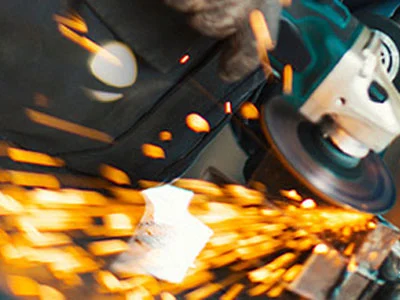
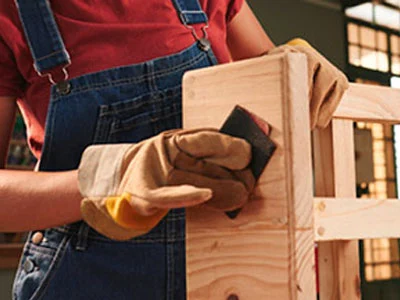
A flawless automotive paint finish is rarely achieved through paint application alone. The quality of the final appearance depends heavily on the preparation work performed before coating, and sanding remains one of the most important stages in automotive refinishing. Selecting the right approach between wet and dry sanding directly influences paint adhesion, surface smoothness, defect removal, and the overall durability of the finished coating.
Modern automotive painting requires different sanding strategies at different stages, from shaping repair areas and preparing primers to refining clear coats before polishing. Among the available abrasive solutions, wet and dry abrasive paper stands out because it can support both water-assisted and dry sanding processes, providing flexibility for various surface preparation requirements.
Understanding how sanding methods work, when to apply wet or dry techniques, and how abrasive selection affects surface quality allows automotive professionals to achieve more consistent and professional finishing results.
Surface preparation determines how well an automotive coating performs after application. Even premium-quality paint cannot completely hide uneven textures, scratches, contaminants, or poorly prepared surfaces. Proper sanding creates the ideal foundation by removing imperfections, improving coating adhesion, and producing a uniform surface profile.
The purpose of sanding is not simply to remove material. A successful sanding process requires a balance between correcting surface defects and protecting existing layers. Excessive sanding may damage underlying materials, while insufficient sanding can leave imperfections visible after painting. This is why professional refinishing specialists carefully evaluate surface conditions before choosing the appropriate sanding method.
The use of wet and dry sanding techniques provides greater control throughout automotive painting processes. Dry sanding is often preferred during early preparation stages because it allows efficient material removal and clear inspection of surface conditions. Wet sanding is commonly selected for finer finishing operations because water helps reduce heat buildup, minimize dust, and improve surface smoothness.
For automotive applications, choosing the right abrasive solution is equally important. Fujistar Abrasives provides abrasive materials designed for different surface preparation and finishing requirements, helping professionals achieve reliable sanding performance throughout the painting process.
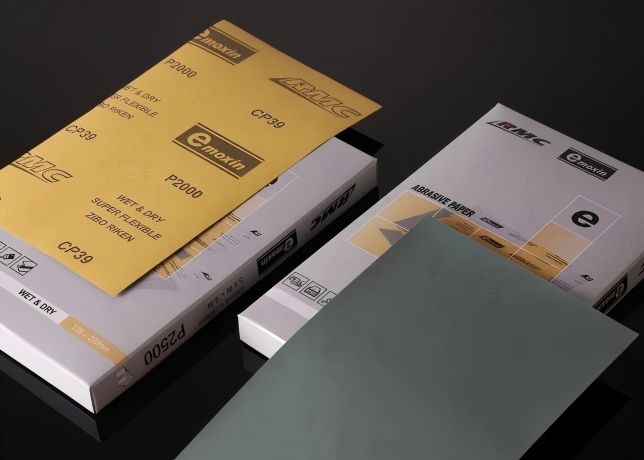
The decision between wet sanding and dry sanding depends on the condition of the surface, the stage of the painting process, and the desired finishing quality. Although both methods use abrasive action to refine surfaces, they provide different advantages for automotive applications.
| Sanding Method | Main Advantages | Typical Applications | Important Considerations |
|---|---|---|---|
| Dry Sanding | Fast cutting performance and efficient surface correction | Removing old coatings, shaping body filler, preparing primer layers | Requires proper dust control and pressure management |
| Wet Sanding | Smoother finishing, reduced dust, lower heat generation | Clear coat refinement, final surface preparation, polishing preparation | Requires suitable waterproof abrasive materials and proper water control |
| Wet and Dry Sanding | Flexible performance across multiple sanding stages | Automotive repair, refinishing, detailing, and surface finishing | Requires correct grit selection and suitable sanding techniques |
Wet and dry sanding offers flexibility because technicians can adjust their approach according to changing surface requirements. For example, dry sanding may be used first to remove imperfections or level uneven areas, while wet sanding can be applied later to refine the surface before final coating or polishing.
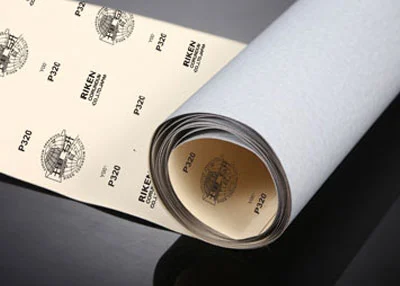
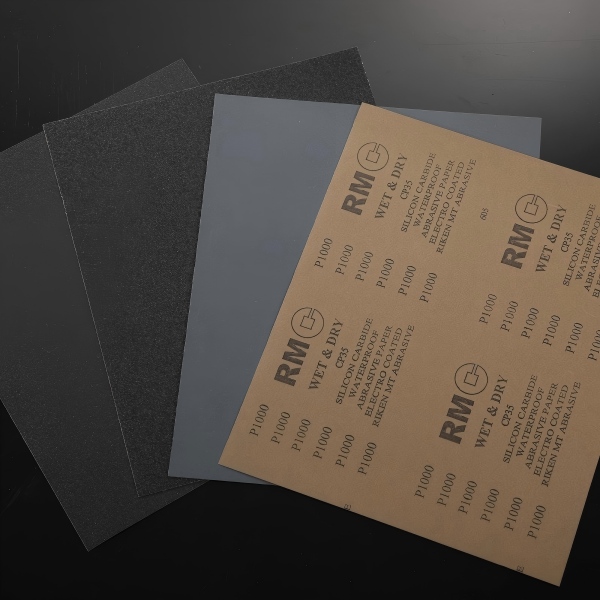
Wet and dry abrasive paper is designed to support these different applications by maintaining abrasive performance in both wet and dry conditions. This makes it suitable for automotive repair shops, professional painters, and industrial finishing operations where surface consistency is essential.
Abrasive selection affects much more than sanding speed. The right abrasive determines surface uniformity, scratch pattern control, operator efficiency, and the final quality of the automotive paint finish. Using an unsuitable abrasive may create unnecessary surface damage or increase the amount of additional correction required before painting.
Grit selection plays a key role in achieving the desired result. Coarser abrasives are generally used for heavier correction work, such as removing old coatings or reshaping repair areas. Finer abrasives are selected for surface refinement and preparation before applying final coatings. Moving gradually between grit levels helps reduce visible sanding marks and improves overall surface smoothness.
The performance of wet and dry abrasive paper depends on multiple factors, including abrasive grain distribution, backing flexibility, cutting consistency, and resistance to clogging. High-quality abrasive paper allows technicians to maintain stable sanding performance while reducing unnecessary interruptions during the refinishing process.
Fujistar Abrasives offers abrasive solutions suitable for automotive finishing applications where precision, consistency, and surface control are required. Selecting the appropriate abrasive type helps users improve productivity while achieving better coating preparation results. More information about available abrasive options can be found through the Fujistar Abrasives product range.
Many automotive paint defects are related to improper sanding rather than coating problems. When sanding processes are not carefully controlled, surface imperfections may remain hidden until the final paint layer is applied.
One common issue is uneven sanding marks. Inconsistent pressure, incorrect abrasive selection, or skipping proper grit transitions can leave visible scratches beneath the coating. Over-sanding can also create uneven areas by removing too much material from specific sections of the surface.
Dust contamination is another challenge, especially during dry sanding operations. Without effective dust management, particles can affect surface smoothness and reduce the quality of the final finish. Wet sanding helps minimize airborne dust, but proper cleaning procedures are still required to maintain surface quality.
Other problems caused by poor sanding control include inconsistent texture, reduced paint adhesion, and visible swirl patterns after finishing. Applying the correct wet and dry sanding method helps prevent these issues by creating a cleaner and more stable surface before painting.
Achieving a professional automotive finish requires careful control over how much material is removed during sanding. The objective is to eliminate imperfections while preserving the integrity of the underlying coating system.
Professional technicians consider factors such as paint thickness, surface condition, repair requirements, and final appearance expectations before selecting sanding materials. These factors determine the appropriate abrasive type, grit level, and sanding technique for each stage of the process.
Wet and dry abrasive paper helps maintain this balance by providing flexibility across different finishing stages. Its ability to perform under both wet and dry conditions allows professionals to adjust sanding methods based on the specific requirements of each surface.
A controlled sanding process improves not only appearance but also coating performance. Proper surface refinement creates better adhesion, reduces finishing defects, and contributes to a longer-lasting automotive paint system.
Achieving a professional automotive finish requires more than selecting a high-quality abrasive product. The best results come from combining suitable materials with proper sanding techniques, including consistent pressure, correct sanding direction, and continuous surface inspection.
Different stages of automotive painting require different levels of control. Repair areas may need stronger correction, while final finishing stages require precise refinement to achieve a smooth appearance. Experienced technicians understand how to adjust sanding methods according to surface conditions and coating requirements.
Because every application may involve different materials and finishing expectations, professional guidance can help users select the most suitable abrasive approach. Fujistar Abrasives provides technical support for customers seeking solutions based on specific sanding requirements, application conditions, and performance goals through the contact page.
A perfect automotive paint finish begins long before the first layer of paint is applied. Surface preparation, sanding technique, and abrasive selection all play essential roles in determining coating quality, appearance, and durability.
By understanding the differences between wet sanding and dry sanding, professionals can select the right approach for each stage of automotive refinishing. With the flexibility provided by wet and dry abrasive paper, technicians can improve surface control, reduce defects, and achieve more consistent finishing results.
Combining reliable abrasive materials with proper sanding skills allows automotive professionals to create smoother, stronger, and more visually appealing paint finishes while improving overall process efficiency.
Dry sanding focuses on faster material removal and surface correction, while wet sanding uses water to reduce heat and dust for smoother finishing results.
Wet and dry abrasive paper is used for automotive preparation, paint refinement, surface smoothing, and finishing applications where flexible sanding performance is required.
Wet sanding is usually preferred during fine finishing stages when a smoother surface, lower dust level, and reduced heat generation are needed.
Abrasive grit determines how aggressively material is removed and how smooth the final surface becomes. Coarser grits are used for correction, while finer grits prepare surfaces for finishing.
Sanding marks usually occur because of incorrect grit selection, uneven pressure, poor sanding sequences, or insufficient surface refinement before coating.
Proper sanding improves coating adhesion by creating a suitable surface profile and removing imperfections that may affect long-term paint performance.