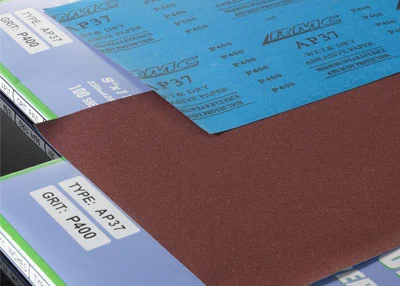
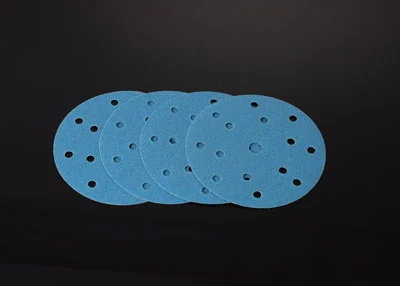
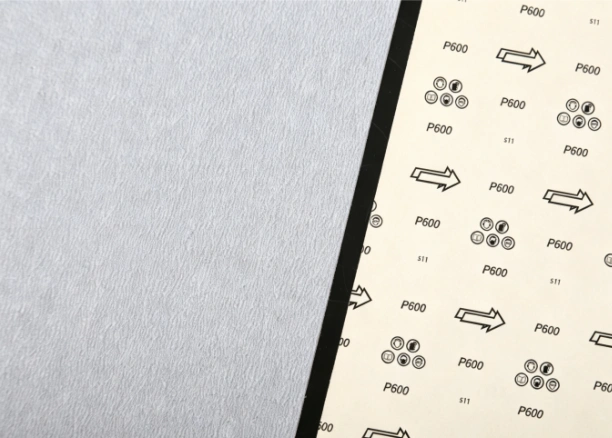
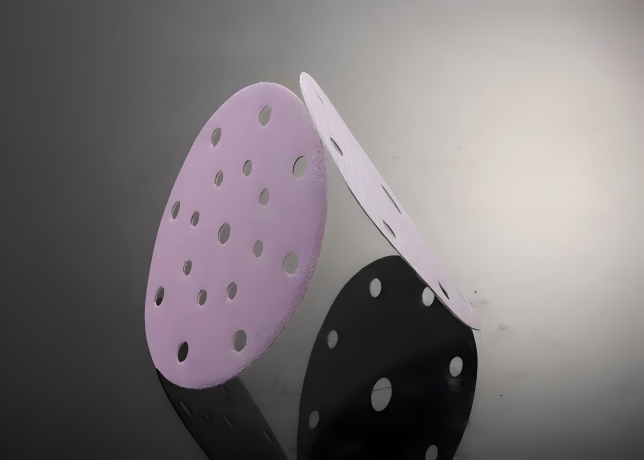
The difference between an ordinary painted surface and a premium high-gloss finish is often measured at the microscopic level. Even after a coating has been applied successfully, tiny surface irregularities, fine scratches, and uneven textures can affect light reflection and reduce the depth of the final appearance. This is why professional finishing processes depend on carefully controlled abrasive refinement, with 2000 grit wet sandpaper serving as a critical step before final polishing.
Engineered for ultra-fine surface preparation, 2000 grit wet sandpaper helps refine paint and coating surfaces by removing subtle imperfections while maintaining material integrity. Its fine abrasive action creates a smoother and more consistent surface profile, allowing polishing compounds to perform more effectively and helping achieve a clearer, more uniform gloss.
Whether used in automotive detailing, industrial coating refinement, or precision restoration projects, selecting the correct abrasive material can determine the efficiency and quality of the entire finishing process. Fujistar Abrasives provides professional abrasive solutions designed for different surface treatment requirements. Users looking for suitable options for high-precision sanding applications can explore the Fujistar Abrasives products to compare solutions based on their finishing goals.
The role of 2000 grit wet sandpaper is not to aggressively remove large amounts of material but to provide controlled refinement during the final stages of surface preparation. Compared with lower-grit abrasives used for shaping, leveling, or heavy defect removal, 2000 grit abrasives contain much finer abrasive particles that create smaller and more consistent sanding patterns.
In high-gloss finishing applications, surface smoothness directly influences how light interacts with the coating. Minor defects such as fine scratches, dust particles, uneven textures, or slight surface waviness can scatter reflected light and reduce visual clarity. By creating a more uniform surface profile, 2000 grit wet sandpaper helps prepare the surface for polishing and improves the final gloss effect.
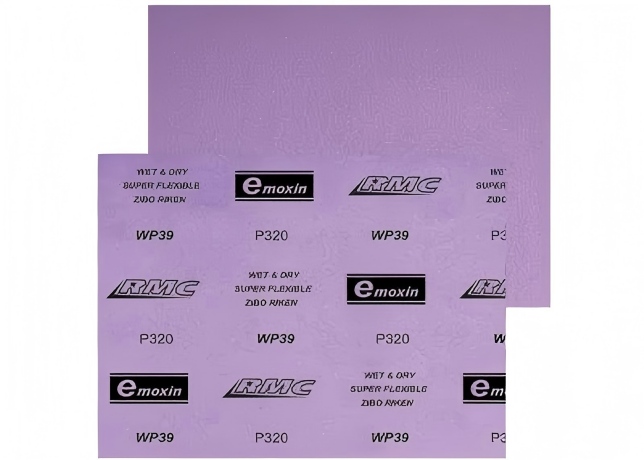
The use of water during wet sanding provides additional advantages. Water helps remove sanding residue, prevents excessive abrasive loading, and supports a more consistent cutting process. This controlled environment reduces the possibility of creating deep scratches and allows professionals to achieve smoother results. Because of their versatility, many users also refer to these abrasives as wet and dry sand paper, as they can be applied in both wet and dry sanding conditions depending on the specific requirements.
| Feature | 2000 Grit Wet Sandpaper | Traditional Coarser Sandpaper |
|---|---|---|
| Primary Function | Fine surface refinement and polishing preparation | Initial shaping and aggressive material removal |
| Abrasive Action | Creates fine and controlled sanding patterns | Produces deeper and more visible scratches |
| Typical Applications | Automotive paint finishing, coating refinement, surface restoration | Heavy leveling, rough preparation, defect removal |
| Surface Impact | Helps preserve coating integrity with proper use | Requires additional refinement before polishing |
| Final Result | Smoother surface suitable for high-gloss polishing | Needs further sanding stages for fine finishing |
A mirror-like gloss does not come from polishing alone. The foundation of a reflective surface is created through precise preparation that reduces microscopic variations before the final finishing stage. Every coated surface contains small peaks and valleys that influence the way light is reflected. The smoother and more consistent the surface becomes, the clearer the reflected image will appear.
2000 grit wet sandpaper works by gradually reducing these surface irregularities through controlled abrasive refinement. The fine abrasive particles create uniform sanding marks that are easier for polishing compounds to remove. This allows the polishing process to focus on enhancing gloss rather than correcting deeper surface imperfections.
The principle is similar to optical finishing, where surface consistency determines reflection quality. A rough surface diffuses light in multiple directions, while a refined surface reflects light more evenly. This is why fine sanding before polishing is an essential step for achieving deep gloss, strong clarity, and a premium appearance.
High-quality wet and dry sand paper is widely used in professional finishing environments because it provides flexibility across different materials and applications. Whether working on automotive coatings, industrial finishes, plastics, or decorative surfaces, selecting the correct abrasive grade helps improve process control and finishing consistency.
One of the biggest challenges in high-gloss finishing is correcting imperfections without removing too much coating material. Excessive sanding can weaken the paint layer, create uneven areas, or introduce additional defects that require more correction work. Fine abrasives offer a balanced approach by allowing gradual surface improvement.
2000 grit wet sandpaper is commonly used during the final refinement stage after larger imperfections have already been addressed. It can effectively smooth minor dust inclusions, light scratches, small texture inconsistencies, and uneven sanding marks before polishing begins.
The key to successful results is maintaining control throughout the process. Proper lubrication, consistent sanding pressure, and regular surface inspection help prevent unnecessary damage. Applying too much pressure does not accelerate the process; instead, it may create uneven sanding patterns and reduce finishing quality.
For professional users, abrasive consistency is also an important factor. Fujistar Abrasives develops finishing solutions that support stable cutting performance and reliable surface results, helping users maintain better control during precision sanding applications.
Maintaining paint clarity requires more than simply removing visible defects. Even surfaces that appear smooth under normal lighting may contain microscopic imperfections that affect transparency, reflection depth, and gloss uniformity. Controlled sanding helps create a balanced surface structure while protecting the coating underneath.
When working with 2000 grit wet sandpaper, several factors influence the final outcome, including sanding direction, moisture level, abrasive condition, and applied pressure. Keeping the abrasive clean is especially important because trapped particles can create unwanted scratches and reduce surface consistency.
Many professional finishing processes use a gradual abrasive progression, moving from lower grits to finer grades as the surface becomes smoother. Within this workflow, wet and dry sand paper provides flexibility because it can support different sanding techniques based on the material and finishing objective.
Proper sanding control also improves polishing efficiency. When the surface is evenly prepared, polishing compounds can work more effectively, reducing the need for aggressive correction and helping maintain the long-term appearance of the coating.
Achieving a consistent high-gloss finish requires overcoming several challenges during surface preparation. Even advanced coatings and professional polishing systems cannot fully compensate for poor sanding practices or unsuitable abrasive selection.
One common issue is inconsistent sanding pressure. Uneven application can create irregular patterns that become more visible after polishing. Another challenge is choosing the wrong abrasive grade. A grit that is too coarse may leave unnecessary scratches, while a grit that is too fine may fail to remove existing imperfections effectively.
Environmental conditions can also influence finishing performance. Dust contamination, insufficient cleaning, and improper lubrication may introduce new surface defects during sanding. Selecting reliable 2000 grit wet sandpaper and following controlled techniques helps minimize these risks.
The performance stability of wet and dry sand paper also affects productivity. Abrasives that maintain consistent cutting behavior allow professionals to achieve repeatable results across different projects and reduce unnecessary process adjustments.
A showroom-quality finish is created through careful control of every stage, from initial surface preparation to final polishing. Precision sanding provides the essential transition between coating application and gloss enhancement by creating a smooth and uniform foundation.
Using 2000 grit wet sandpaper correctly allows professionals to remove fine imperfections while maintaining the original integrity of the surface. The best results come from combining the right abrasive selection with proper technique, including suitable pressure, consistent movement, and careful surface evaluation throughout the process.
For businesses and professionals seeking dependable abrasive products for finishing applications, Fujistar Abrasives offers solutions designed for various surface treatment requirements. Since abrasive selection often depends on coating type, finishing goals, and working conditions, users who need further assistance with choosing the right sanding solution can reach out through the Fujistar Abrasives contact page for professional support and application guidance.
High-gloss finishing depends on precision, surface understanding, and the correct abrasive technology. 2000 grit wet sandpaper provides the fine control required to refine surfaces, remove micro-defects, and prepare coatings for polishing while minimizing the risk of unnecessary material removal.
From automotive refinishing to industrial coating applications, reliable wet and dry sand paper helps professionals achieve smoother surfaces, better polishing efficiency, and more consistent finishing results. By combining advanced abrasive performance with controlled sanding techniques, users can create clearer reflections, stronger gloss depth, and showroom-quality finishes.
2000 grit wet sandpaper is mainly used for ultra-fine surface refinement, removing minor imperfections, smoothing sanding marks, and preparing surfaces before polishing.
Yes. It is commonly used for automotive clear coats and painted surfaces when careful defect removal and polishing preparation are required.
Wet sanding reduces dust, improves abrasive consistency, and helps prevent surface overheating during delicate finishing operations.
Wet and dry sand paper refers to abrasive products that can be used with or without water depending on the application and finishing requirements.
Because it creates fine and uniform sanding patterns that polishing compounds can remove more easily, helping achieve a smoother and clearer finish.
Use the correct grit, maintain controlled pressure, apply proper lubrication, and inspect the surface regularly during sanding.