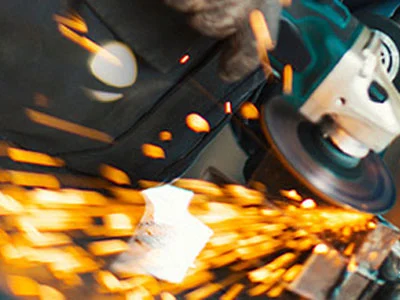
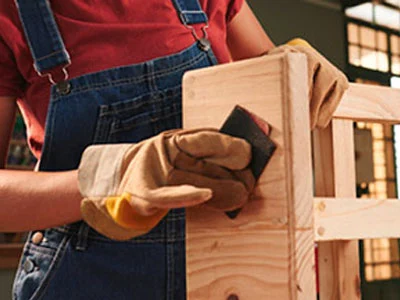
The evolution of abrasive technology has resulted in an increasingly diversified product landscape, where different applications demand precisely engineered solutions rather than one-size-fits-all sanding products. For distributors operating in competitive markets, a comprehensive understanding of abrasive classifications and performance characteristics is essential for developing a well-structured product portfolio and delivering greater value to customers.
Abrasive performance is determined by the interaction of multiple technical factors, including grain composition, abrasive structure, backing materials, bonding systems, and surface treatments. Although various abrasive products may appear similar in appearance, their differences in cutting behavior, durability, and finishing capability can significantly influence processing efficiency and final surface quality.
A thorough knowledge of abrasive paper types enables distributors to accurately evaluate product suitability across different industries and application scenarios. By understanding how different kinds of sandpaper perform on specific materials and processes, distributors can provide more technically informed recommendations for applications ranging from metal fabrication and automotive refinishing to woodworking and industrial surface preparation.
This technical guide provides an in-depth analysis of abrasive paper structures, grain technologies, performance considerations, and selection strategies, helping distributors better understand market requirements and make informed decisions when sourcing advanced abrasive solutions.
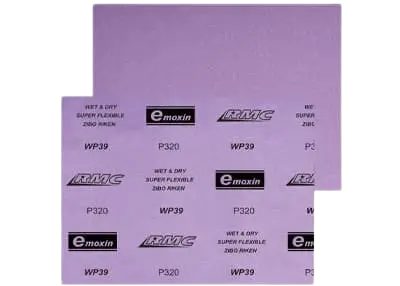
Abrasive paper is a coated abrasive product engineered to remove material through controlled abrasion. Although it may appear simple, its performance depends on the precise combination of several structural components, including abrasive grains, bonding systems, backing materials, and specialized surface treatments.
The abrasive grain serves as the primary cutting element. Its hardness, sharpness, toughness, and fracture characteristics determine how effectively the abrasive can remove material and maintain cutting performance during use. Different grain technologies are developed to meet specific requirements, from general sanding to heavy-duty industrial grinding.
The backing material provides support for the abrasive layer and influences flexibility, strength, and application suitability. Paper backings are commonly selected for lightweight sanding and finishing applications due to their smoothness and flexibility. Cloth and reinforced backings offer higher durability and are often used in applications requiring greater mechanical strength.
The bonding system is another critical component that controls grain retention and abrasive durability. A properly designed bond allows abrasive grains to remain securely attached while enabling controlled grain release when necessary to maintain cutting efficiency.
Advanced abrasive products may also incorporate additional surface treatments to improve specific performance characteristics. For example, anti-loading coatings can help reduce dust accumulation, while advanced grain structures can enhance cutting speed and service life.
For distributors, understanding these technical elements provides a foundation for evaluating different abrasive solutions. Rather than viewing abrasives as interchangeable products, distributors can identify the performance characteristics required for each application and recommend products with greater accuracy.
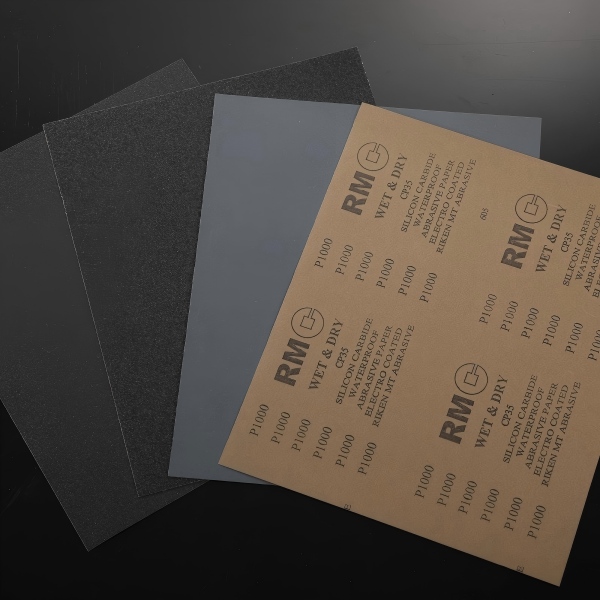
The classification of abrasive paper types is primarily based on abrasive grain composition, as different grain technologies offer distinct advantages in terms of cutting performance, durability, and finishing capability.
Aluminum oxide is one of the most widely used abrasive grains due to its balanced performance and versatility. Aluminum oxide abrasive paper provides reliable cutting ability and good durability, making it suitable for general-purpose applications such as woodworking, metal preparation, and surface finishing.
Silicon carbide abrasives feature sharper cutting edges and excellent friability, allowing them to create smooth and precise finishes. Silicon carbide products are commonly used for applications involving non-ferrous metals, coatings, plastics, glass, and fine finishing processes.
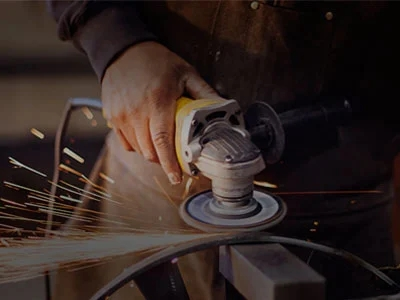
Zirconia alumina abrasives are designed for demanding applications requiring high toughness and extended durability. Their strong grain structure makes them suitable for heavy-duty metalworking, weld grinding, and industrial fabrication processes.
Ceramic abrasives represent a more advanced category within modern abrasive technology. Their micro-fracturing characteristics allow continuous exposure of fresh cutting edges, making them suitable for high-performance applications where productivity and abrasive lifespan are important considerations.
Specialized coated abrasives, including stearate coated products, are developed to address specific challenges such as abrasive loading and inconsistent cutting performance. These solutions demonstrate how manufacturers continue to improve abrasive technology for increasingly specialized applications.
| Abrasive Type | Performance Characteristics | Common Applications |
|---|---|---|
| Aluminum Oxide Abrasive Paper | Balanced durability, versatility, and cost efficiency | General sanding, woodworking, metal preparation |
| Silicon Carbide Abrasive Paper | Sharp cutting action and excellent finishing ability | Fine finishing, coatings, plastics, glass |
| Zirconia Alumina Abrasive Paper | High toughness and strong material removal capability | Heavy-duty metal grinding and fabrication |
| Ceramic Abrasive Paper | Advanced cutting efficiency and extended performance | High-performance industrial processing |
| Stearate Coated Abrasive Paper | Improved clogging resistance and stable sanding performance | Automotive finishing, woodworking, coated surfaces |
When comparing different kinds of sandpaper, performance evaluation should consider multiple factors rather than focusing on a single specification. The most suitable abrasive depends on the balance between cutting efficiency, durability, and the required surface finish.
Cutting efficiency refers to how quickly and effectively an abrasive removes material. Abrasives with sharper grains generally provide faster cutting action, while tougher grains are often preferred for applications requiring longer operational life.
Durability determines how well an abrasive maintains performance throughout its working cycle. In industrial environments, abrasives with higher durability can reduce replacement frequency and improve overall production efficiency.
Surface finishing quality is particularly important in applications where appearance, precision, or coating adhesion is critical. Fine abrasive structures and consistent grain distribution help achieve smoother and more uniform results.
For distributors, understanding these performance relationships allows them to recommend products based on actual application requirements instead of relying only on general product categories.
Selecting the appropriate abrasive solution requires a clear understanding of the relationship between abrasive characteristics and application requirements. Although many abrasive paper types may appear similar, their performance can vary significantly depending on the material being processed, required finish quality, and operating conditions.
For metal fabrication applications, abrasives with strong cutting ability and high durability are often preferred. Materials such as carbon steel, stainless steel, and aluminum may require different abrasive characteristics to achieve efficient material removal while maintaining surface quality.
In woodworking applications, abrasive selection depends on factors such as wood hardness, coating condition, and desired finish. Fine-grit abrasives are often used for final surface refinement, while coarser abrasives are selected for shaping and material removal.
Automotive refinishing represents another important application area. Different stages of paint preparation, repair, and finishing require abrasives with specific performance characteristics. Abrasives designed with improved loading resistance can be especially beneficial when working with primers, fillers, and coatings that generate fine sanding debris.
Industrial surface preparation also requires careful abrasive selection. Before painting, coating, or bonding processes, surfaces must often achieve specific levels of cleanliness and roughness. Choosing the right abrasive helps improve processing consistency and final product quality.
For distributors, understanding these application differences creates opportunities to provide more complete solutions. Instead of offering only general sanding products, distributors can develop application-focused product recommendations based on customer industries and processing requirements.
For distributors, sourcing abrasive products involves more than evaluating price and availability. A successful abrasive product strategy requires consideration of technical performance, product consistency, market demand, and supplier capability.
Product diversity is one of the most important factors. Customers across different industries require various abrasive solutions, including different grain materials, grit ranges, backing options, and coating technologies. A comprehensive product portfolio allows distributors to better serve different application segments.
Quality consistency is another critical consideration. Abrasive performance depends on precise manufacturing control, including grain distribution, bonding strength, and coating uniformity. Consistent product quality helps distributors build customer trust and reduce application issues.
Technical support also plays an important role. Customers often need guidance when selecting abrasives for specific materials or processes. Suppliers that provide professional technical information can help distributors offer greater value beyond product delivery.
Market adaptability should also be considered. As industries continue to demand higher efficiency and improved surface quality, distributors need access to advanced abrasive technologies that address changing customer requirements.
Fujistar Abrasives provides a broad range of abrasive solutions designed for different industrial applications. Distributors can explore available products through the Fujistar Abrasives product portfolio to identify suitable abrasive options for their target markets.
The abrasive industry continues to evolve as manufacturers focus on improving efficiency, sustainability, and application performance. Future developments in abrasive paper types are expected to emphasize longer service life, improved cutting efficiency, and greater compatibility with advanced manufacturing processes.
One important trend is the development of high-performance abrasive grains. Advanced grain technologies allow abrasives to achieve faster material removal while maintaining durability, helping industries improve productivity and reduce downtime.
Another trend is the increasing use of specialized coatings. Surface treatments designed to reduce clogging, improve lubrication, or enhance cutting consistency are becoming more important as applications become more demanding.
Sustainability is also influencing abrasive technology development. Manufacturers are exploring ways to improve abrasive efficiency and extend product lifespan, helping reduce material consumption and improve overall process efficiency.
Digital manufacturing and automation are also creating new requirements for abrasive products. As production processes become more precise, abrasives must provide predictable performance and consistent finishing results.
For distributors, keeping up with these trends is essential for maintaining competitiveness. Understanding new abrasive technologies enables distributors to introduce advanced solutions and better support customers with evolving processing requirements.
Understanding abrasive classifications is essential for distributors seeking to build effective product portfolios and provide professional support to customers. With numerous solutions available, knowing the differences between various abrasive paper types helps distributors make more accurate product recommendations based on real application requirements.
From grain composition and abrasive structure to cutting efficiency, durability, and finishing performance, every technical factor influences the final sanding result. Different kinds of sandpaper are designed for different purposes, and selecting the correct solution can significantly improve productivity and surface quality.
As abrasive technology continues to advance, distributors who develop strong technical knowledge will be better positioned to meet changing market demands. By partnering with reliable abrasive suppliers and understanding application-specific requirements, distributors can deliver greater value and establish stronger customer relationships.
For professional abrasive solutions and technical support, customers can contact the Fujistar Abrasives team to discuss specific application requirements.
The main abrasive paper types include aluminum oxide, silicon carbide, zirconia alumina, ceramic abrasives, and specialty coated abrasives. Each type provides different performance characteristics for specific applications.
Different kinds of sandpaper vary in abrasive grain material, cutting ability, durability, and finishing performance. The right choice depends on the material being processed and the desired surface result.
For metal applications, zirconia alumina and ceramic abrasives are often selected for heavy-duty grinding, while aluminum oxide and silicon carbide may be suitable for general preparation and finishing tasks.
Distributors should evaluate product quality consistency, product range, technical support, application knowledge, and supplier reliability when selecting abrasive partners.
Abrasive grain type directly affects cutting performance, wear resistance, and finishing quality. Different grains are engineered for different material processing requirements.
Distributors can improve recommendations by understanding customer applications, material characteristics, required finishes, and the performance differences between various abrasive solutions.