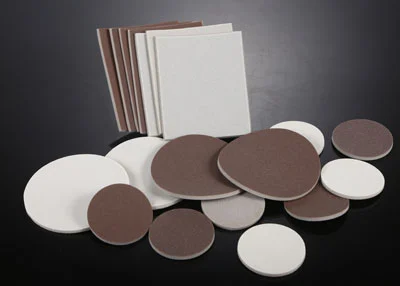
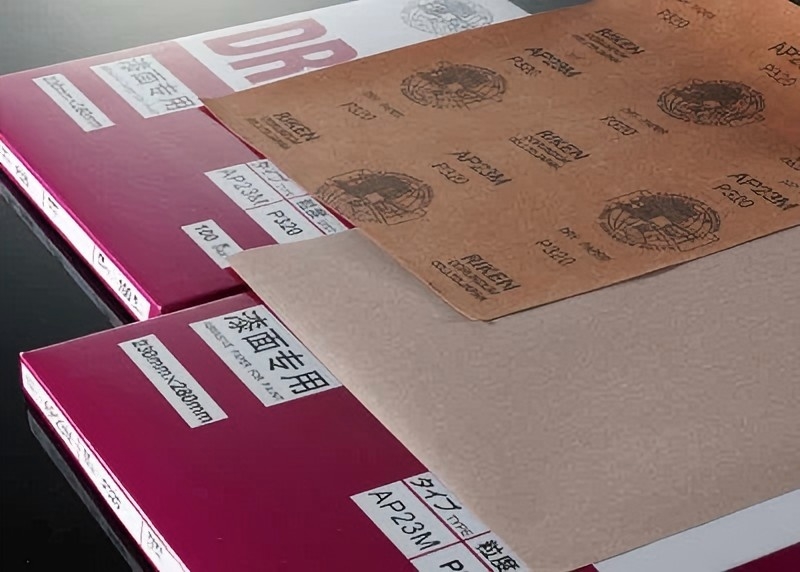
A few minutes saved during sanding can make a significant difference in a busy body shop. Every vehicle repair project involves multiple preparation steps, and the abrasive used during these stages can determine whether technicians achieve a smooth finish efficiently or spend additional time correcting surface imperfections.
From collision damage repair to complete vehicle refinishing, automotive sanding discs are at the center of professional surface preparation. The right disc can help remove coatings faster, shape repair areas more accurately, and create a consistent foundation for primer and paint application. The wrong choice, however, may lead to uneven sanding, premature abrasive wear, and unnecessary workflow delays.
Modern body shops are moving beyond basic sanding solutions and looking for abrasives that provide better cutting efficiency, longer service life, and reliable performance across different automotive materials. This is why high-quality auto body sanding discs have become an essential part of efficient repair operations.
Understanding how sanding disc technology, abrasive grain selection, and application requirements work together allows repair professionals to make smarter choices and improve both productivity and finishing quality. This guide explores the key factors that influence automotive sanding disc performance and how to select the right solution for different body shop applications.
Vehicle repair involves multiple sanding stages, and each stage requires abrasives with different performance characteristics. From removing damaged coatings after collisions to preparing surfaces before painting, automotive sanding discs play an important role in achieving professional repair results.
During collision repair, technicians commonly work with different automotive materials, including steel panels, aluminum components, fiberglass parts, body fillers, primers, and painted surfaces. Each material presents unique challenges, meaning the abrasive must provide the right balance between cutting power and surface control.
Auto body sanding discs are specifically designed for these demanding repair environments. Compared with general-purpose sanding products, they are engineered to support automotive workflows where speed, precision, and finishing quality are equally important.
Typical applications include removing old paint, leveling repaired areas, smoothing body filler, preparing primer surfaces, and refining finishes before coating. Selecting the correct abrasive for each stage helps technicians reduce unnecessary sanding steps and maintain consistent repair quality.
For professional body shops, abrasive selection is not only a tool choice but also an important factor influencing repair efficiency, labor time, and final customer satisfaction.
The performance of automotive sanding discs depends on several technical elements, including abrasive grain composition, backing material, coating technology, and overall disc construction. Understanding these factors helps professionals choose abrasives that match their specific repair requirements.
Abrasive grain type directly affects cutting ability and durability. Different grain structures provide different levels of aggressiveness and finishing capability. For example, stronger abrasive grains may be preferred for heavy material removal, while finer grain structures are more suitable for surface refinement before painting.
Backing design is another important consideration. Flexible backing materials allow better adaptation to curved automotive panels, helping maintain consistent contact during sanding. Stronger backing materials can provide additional stability during more intensive repair operations.
The distribution and bonding of abrasive grains also influence disc performance. A well-engineered abrasive surface helps maintain consistent cutting action and reduces uneven wear, allowing technicians to achieve more predictable results throughout the sanding process.
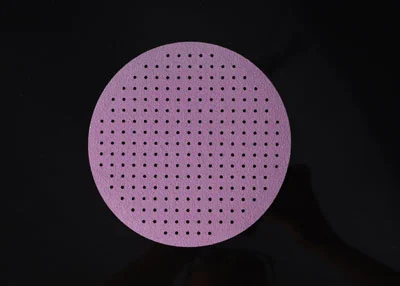
In addition, modern disc designs often focus on improved dust management. Effective dust removal helps reduce abrasive loading, maintain cutting efficiency, and create a cleaner working environment inside body shops.
Fujistar Abrasives provides abrasive solutions designed for different professional sanding requirements, including automotive surface preparation applications. Professionals can explore suitable options through Fujistar Abrasives’ sanding and surface preparation solutions to compare products based on their specific needs.
Choosing the right sanding disc requires understanding how abrasive performance changes throughout the repair process. Using the wrong abrasive can slow down operations, create unnecessary surface damage, or increase the amount of finishing work required.
The initial repair stage often focuses on aggressive material removal. During paint stripping or damaged surface correction, technicians need abrasives that provide efficient cutting performance while maintaining control over the working area.
For body filler shaping and repair area leveling, medium-grade auto body sanding discs are commonly selected. These abrasives help refine repaired sections while allowing technicians to create a smoother transition between repaired and original surfaces.
During primer preparation and final finishing, finer abrasives become more important. These stages require greater attention to surface smoothness because even small imperfections may become visible after paint application.
| Automotive Repair Stage | Recommended Abrasive Characteristics | Main Application Purpose |
|---|---|---|
| Paint and coating removal | High cutting efficiency and durable abrasive structure | Removing old finishes and preparing damaged areas |
| Body filler shaping | Balanced cutting performance and surface control | Creating smooth transitions on repaired sections |
| Primer preparation | Controlled abrasion with consistent finishing ability | Preparing surfaces before painting |
| Final surface refinement | Fine abrasive structure for smooth finishing | Improving appearance and coating quality |
By matching abrasive solutions with each repair stage, technicians can improve workflow efficiency while maintaining a high standard of finish quality. The right automotive sanding discs help create a more organized and predictable repair process.
Efficiency is one of the biggest priorities in modern collision repair operations. Body shops must complete repairs quickly while maintaining strict quality standards, and abrasive performance directly influences how effectively technicians can complete daily tasks.
High-quality automotive sanding discs support productivity by maintaining stable cutting performance, reducing unnecessary abrasive changes, and helping technicians achieve consistent results across different repair areas.
When sanding discs wear too quickly or become clogged during operation, technicians may spend additional time adjusting processes or repeating sanding steps. This can increase labor costs and reduce overall workshop efficiency.
Advanced auto body sanding discs are designed to address these challenges by offering better durability, controlled material removal, and improved performance during demanding repair applications.
Dust management is another important factor. Cleaner sanding operations improve surface visibility, make inspection easier, and help technicians prepare surfaces more accurately before coating.
For busy repair facilities handling multiple vehicles every day, choosing reliable abrasive solutions can contribute to smoother workflows and more consistent repair outcomes.
Selecting suitable automotive sanding discs requires evaluating several factors beyond abrasive grit alone. Professional users should consider the repair material, application stage, equipment type, and desired surface finish.
The first consideration is the material being processed. Metal panels, body fillers, primers, and coatings each require different abrasive characteristics to achieve efficient and controlled sanding performance.
The second factor is grit selection. Coarser grits are typically used for faster material removal, while finer grits are chosen for smoothing surfaces and preparing areas before painting.
The third consideration is the sanding method. Different tools, including orbital sanders and manual sanding systems, may require different disc designs to achieve optimal performance.
Finally, professionals should evaluate the overall repair objective. The best abrasive choice should balance productivity, surface quality, durability, and operating cost.
Because automotive sanding requirements vary depending on vehicle materials and repair conditions, professional advice can help users make more accurate decisions. For specific questions about abrasive selection, sanding performance, or suitable solutions for different repair applications, you can connect with Fujistar Abrasives’ technical support team for practical recommendations.
The selection of the right abrasive plays a critical role in improving body shop efficiency and achieving consistent automotive refinishing results. While different repair stages require different abrasive characteristics, high-performance automotive sanding discs provide the cutting efficiency, durability, and surface control needed for professional applications.
From collision repair and paint removal to final finishing preparation, choosing suitable auto body sanding discs allows technicians to improve workflow consistency and reduce unnecessary processing time. As automotive repair continues to demand higher quality and efficiency, advanced abrasive solutions will remain an essential part of professional body shop operations.
Automotive sanding discs are used for vehicle repair processes including paint removal, body filler shaping, primer preparation, and surface finishing before painting.
Auto body sanding discs are designed specifically for automotive materials and repair processes, providing better control, durability, and finishing performance.
Coarser grits are suitable for heavy material removal, while finer grits are better for surface smoothing and final preparation.
Yes. Many automotive sanding discs are suitable for both metal panels and other vehicle repair materials when properly selected.
Reliable sanding discs can reduce replacement frequency, maintain stable cutting performance, and help technicians complete repairs more efficiently.
Important factors include repair stage, material type, grit size, sanding equipment, durability requirements, and desired surface finish.