Rust on car panels is more than just a cosmetic issue. Once corrosion begins to penetrate the paint layer, it can continue spreading beneath the surface and affect the appearance, durability, and repair quality of the vehicle body. Removing rust effectively requires more than simply sanding away visible damage—it requires choosing the right abrasive solution for each stage of the repair process.
Selecting the correct sandpaper to remove rust from car is essential for achieving efficient material removal while maintaining the integrity of the metal surface. Different rust conditions require different abrasive characteristics, from aggressive cutting power for heavy corrosion to refined finishing performance before primer and paint application.
For automotive repair professionals, body shops, and surface preparation specialists, understanding how to select sandpaper for rust on car can improve sanding efficiency, reduce rework, and create better finishing results. This guide explains how to evaluate rust damage, choose the right grit, compare abrasive materials, and apply professional sanding techniques for a smooth and durable automotive finish.
Before choosing the right sandpaper to remove rust from car, the first step is identifying the type and severity of corrosion. Rust conditions vary depending on factors such as moisture exposure, road salt, damaged paint coatings, and environmental conditions. Understanding the actual condition of the panel helps determine the most suitable abrasive solution.
Automotive rust is generally classified into three main categories: surface rust, scale rust, and deep rust. Surface rust usually appears as light oxidation or discoloration on the paint layer without significant metal damage. In this situation, medium-grit abrasives are often sufficient to remove corrosion and prepare the surface.
Scale rust develops when corrosion becomes thicker and creates visible flakes or rough textures on the panel. This type of damage normally requires stronger cutting abrasives to remove the rust layer before refining the surface.
Deep rust occurs when corrosion penetrates into the metal structure. In severe cases, sanding alone may not restore the panel, and additional repair methods may be necessary.
| Rust Type | Characteristics | Recommended Sanding Approach |
|---|---|---|
| Surface Rust | Light oxidation on the paint surface without major metal damage | Use medium-grit abrasives for rust removal and preparation |
| Scale Rust | Visible rust flakes and rough corrosion buildup | Start with coarse abrasives to remove damaged layers |
| Deep Rust | Corrosion that has affected the metal structure | Requires aggressive removal and possible repair work |
Proper assessment prevents unnecessary damage during sanding. Using an abrasive that is too aggressive for minor rust may create deep scratches, while using fine sandpaper on heavy corrosion can increase working time significantly. Therefore, choosing the right sandpaper for rust on car should always begin with evaluating the condition of the vehicle panel.
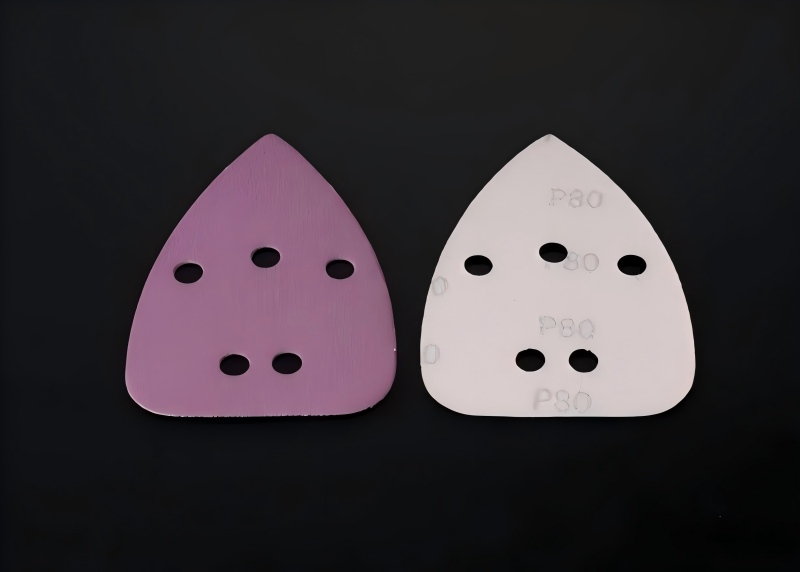
Sandpaper grit selection directly affects rust removal efficiency, surface quality, and preparation results. The grit number indicates the size of abrasive particles. Lower grit numbers provide stronger cutting performance, while higher grit numbers create smoother finishes.
| Sanding Stage | Recommended Grit Range | Main Purpose |
|---|---|---|
| Heavy Rust Removal | 40-80 grit | Remove thick rust layers, corrosion buildup, and damaged coatings |
| Intermediate Sanding | 120-220 grit | Smooth sanding marks and refine the surface |
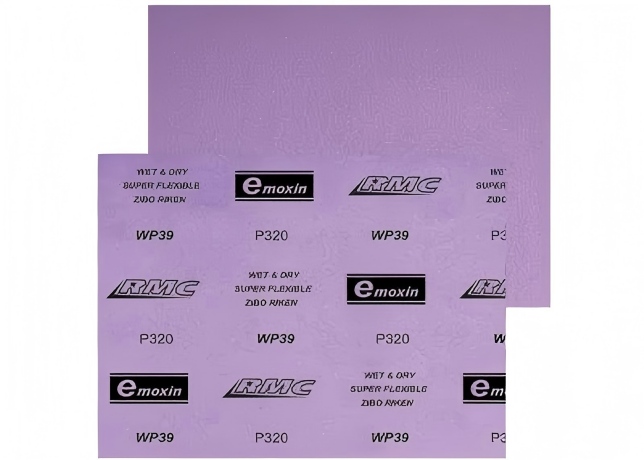
| Paint Preparation | 320-600 grit | Create a smooth surface before primer and painting |
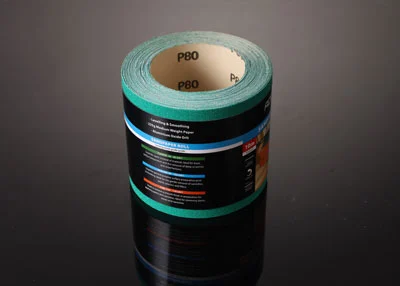
For severe corrosion, coarse abrasives between 40 and 80 grit are commonly used because they provide the cutting ability required to remove rust quickly. However, technicians should avoid excessive pressure because aggressive sanding can damage thin automotive panels.
For light rust removal, medium-grit sandpaper for rust on car provides a better balance between efficiency and surface protection. After the corrosion has been removed, finer abrasives are used to reduce scratches and prepare the panel for coating.
A professional sanding process rarely depends on a single grit. Instead, technicians usually follow a progressive grit sequence, moving from aggressive rust removal to controlled surface refinement. This approach improves consistency and creates better results before painting.
The abrasive material is another important consideration when selecting sandpaper to remove rust from car. Different abrasive grains provide different levels of cutting power, durability, and finishing performance.
| Abrasive Material | Characteristics | Automotive Applications |
|---|---|---|
| Aluminum Oxide | Durable, versatile, and suitable for general sanding | Rust removal, paint preparation, and repair applications |
| Silicon Carbide | Sharp cutting ability with excellent finishing performance | Fine sanding and surface finishing |
| Ceramic Abrasive | High cutting efficiency and extended abrasive life | Heavy-duty automotive repair and demanding applications |
Aluminum oxide is widely used in automotive sanding because it provides reliable performance across different applications. It offers a good balance between durability, cutting ability, and cost efficiency.
Ceramic abrasives are preferred for more demanding applications where higher material removal rates and longer abrasive life are required. Silicon carbide abrasives are often selected when a smoother finish is the primary goal.
When choosing automotive abrasives, professionals should also consider abrasive backing, coating structure, and resistance to loading. These factors influence sanding stability, working efficiency, and final surface quality.
To find suitable abrasive solutions for different automotive sanding applications, explore Fujistar’s automotive abrasive solutions and product selection.
Selecting the right sandpaper for rust on car is only the first step in achieving professional repair results. A structured sanding process ensures that corrosion is completely removed while creating a smooth surface suitable for primer and paint application.
The first stage is surface cleaning. Before sanding begins, contaminants such as dirt, grease, wax, and loose particles should be removed from the car panel. A clean surface allows abrasives to work more efficiently and helps prevent uneven sanding results.
After cleaning, the rust removal stage begins with an appropriate coarse abrasive. The goal is to eliminate corrosion, damaged coatings, and unstable surface materials. During this process, technicians should apply consistent pressure and avoid excessive sanding in one area to prevent unnecessary metal removal.
Once the visible rust has been removed, the surface should be refined using medium and fine-grit abrasives. This step smooths sanding marks, blends repaired areas with surrounding surfaces, and prepares the panel for coating.
The final preparation stage focuses on achieving a clean and uniform surface before primer and paint application. Proper sanding preparation improves coating adhesion, reduces surface defects, and contributes to a longer-lasting automotive finish.
Even experienced technicians may encounter problems when selecting abrasives for automotive rust repair. Understanding common mistakes can help improve efficiency, reduce unnecessary labor, and achieve more consistent results.
| Common Mistake | Potential Result | Recommended Approach |
|---|---|---|
| Using only coarse grit throughout the process | Creates deep scratches and increases finishing work | Follow a progressive grit sequence from coarse to fine |
| Selecting an unsuitable abrasive material | Reduces cutting efficiency and abrasive durability | Choose abrasive materials based on rust condition and application requirements |
| Applying excessive sanding pressure | May damage automotive panels and create uneven surfaces | Use controlled pressure and allow the abrasive to perform the cutting action |
| Skipping final surface refinement | Can affect primer adhesion and final appearance | Complete fine sanding before painting |
One of the most common errors is choosing sandpaper based only on aggressiveness rather than considering the entire repair process. While coarse abrasives remove rust quickly, they are not suitable for every stage. A complete sanding system that combines different grit levels usually delivers better results.
Using reliable sandpaper to remove rust from car helps improve sanding control, maintain consistent performance, and achieve better surface preparation results.
Professional automotive sanding requires careful control of abrasive selection, technique, and surface preparation. Achieving a smooth and rust-free finish depends on selecting the correct abrasive for each stage and maintaining a consistent workflow.
The first step is matching abrasive grit with the actual rust condition. Heavy corrosion requires stronger cutting performance, while finishing operations require finer abrasives to create a smooth and uniform surface.
Replacing worn abrasives regularly is also important. Overused sandpaper may lose cutting efficiency, generate additional heat, and create inconsistent sanding results. Fresh abrasives provide better control and more stable performance.
Maintaining consistent sanding movement helps prevent uneven surfaces and visible repair marks. Professional technicians typically use controlled pressure and uniform sanding patterns to achieve better blending between repaired and original areas.
Another important factor is selecting professional-grade abrasive products. High-quality abrasives provide reliable cutting performance, improved durability, and better results for demanding automotive applications.
Fujistar Abrasives provides abrasive products designed to support professional surface preparation applications. For technical support, product recommendations, or application guidance, connect with Fujistar Abrasives through professional abrasive consultation services.
Selecting the ideal sandpaper to remove rust from car requires a clear understanding of rust conditions, abrasive grit selection, abrasive materials, and proper sanding methods. Different repair situations require different abrasive solutions, and choosing the right product can significantly influence efficiency and final surface quality.
For automotive professionals, choosing suitable sandpaper for rust on car improves rust removal performance, reduces unnecessary rework, and helps create a better foundation for primer and paint application.
By combining proper rust assessment, progressive grit selection, suitable abrasive materials, and professional sanding techniques, technicians can achieve cleaner, smoother, and more durable automotive panel repairs. Fujistar Abrasives continues to provide reliable abrasive solutions that support efficient surface preparation across automotive repair applications.
For heavy rust removal, 40-80 grit sandpaper is commonly used because it provides strong cutting performance. Finer grits are then used to smooth the surface and prepare it for painting.
The best option depends on rust severity and the required finish. Aluminum oxide, ceramic abrasive, and silicon carbide sandpapers can all be suitable depending on the application.
Sandpaper can effectively remove surface rust and moderate corrosion. However, deeply damaged panels may require additional repair methods beyond sanding.
Ceramic abrasives generally provide higher cutting efficiency and longer service life, while aluminum oxide offers versatile performance for general automotive sanding applications.
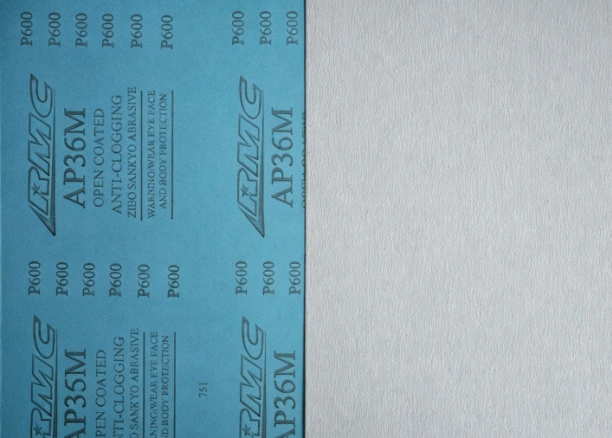
Fine abrasives in the range of approximately 320-600 grit are commonly used to create a smooth surface before primer and paint application.
Use the correct grit sequence, select suitable abrasive materials, maintain controlled sanding techniques, and choose high-quality automotive abrasives for consistent performance.