The way construction professionals approach surface preparation is changing. As projects demand faster completion, cleaner working environments, and more consistent finishing quality, traditional sanding methods are being challenged by advanced abrasive technologies designed for higher efficiency.
Among these innovations, sanding nets have emerged as a preferred solution for many drywall, renovation, and finishing applications. Unlike conventional sandpaper, which can quickly accumulate dust and lose cutting ability during intensive sanding, sanding nets feature an open structure that improves airflow and helps maintain abrasive performance for longer periods.
The growing adoption of net abrasives is not simply a replacement of one abrasive product with another. It represents a shift toward more efficient surface preparation processes, where dust control, durability, and consistent results have become critical factors for professional users.
By comparing sanding nets with traditional sandpaper, construction professionals can better understand how abrasive structure influences sanding efficiency, surface quality, and overall project productivity. This guide examines the technology behind net abrasives, their advantages in construction applications, and how to select the right solution for different sanding requirements.
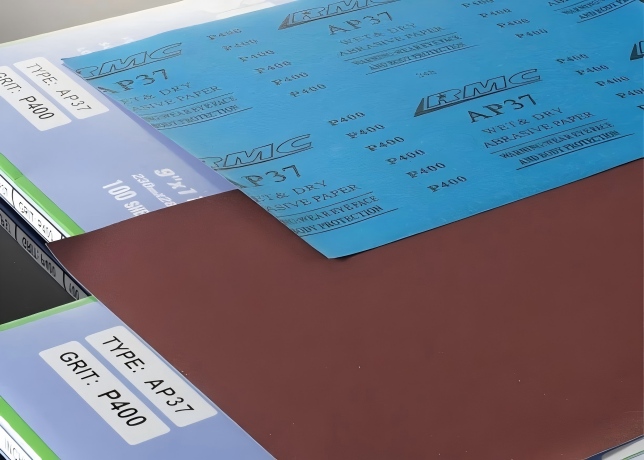
For decades, traditional sandpaper has been a common choice for construction and finishing work because of its simple design, wide availability, and compatibility with various sanding tasks. Made with abrasive grains bonded to a paper or cloth backing, conventional sandpaper can effectively remove excess material and prepare surfaces for painting, coating, or further finishing.
However, modern construction environments have introduced new challenges. Applications such as drywall sanding, plaster finishing, and renovation work often generate large amounts of fine dust. When this dust becomes trapped between abrasive grains, the sanding surface can become loaded, reducing cutting efficiency and requiring more frequent abrasive replacement.
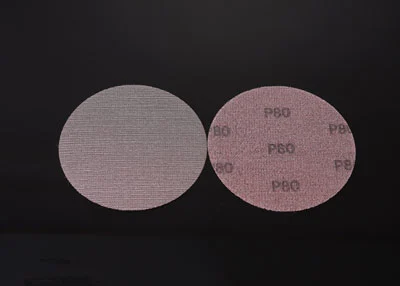
Sanding nets were developed as an advanced alternative to overcome these limitations. Instead of relying on a continuous backing surface, sanding nets use an open mesh structure that creates pathways for dust to move away from the working area. This design allows the abrasive surface to remain more active throughout the sanding process.
The transition from traditional sandpaper to net abrasives reflects a broader trend in the construction industry toward tools and materials that improve productivity while reducing unnecessary downtime. By offering better dust management and more consistent performance, sanding nets have become increasingly valuable for professional surface preparation.
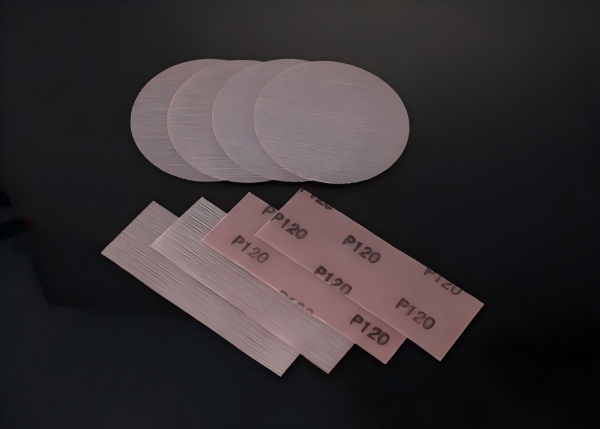
The biggest difference between sanding nets and traditional sandpaper lies in their structural design. Traditional abrasives use a solid backing material, while sanding nets incorporate a flexible mesh base that supports abrasive grains across an open surface.
This open mesh structure provides several performance advantages. During sanding, removed material and dust particles can pass through the openings instead of accumulating directly on the abrasive face. As a result, the abrasive grains remain exposed and continue to deliver effective cutting action.
The performance of net abrasives also depends on abrasive grain selection and coating technology. Different grain materials can influence cutting speed, durability, and final surface quality. For example, abrasive grains designed for aggressive material removal may be preferred for rough preparation, while finer abrasive structures are more suitable for achieving smoother finishes.
Another important feature of modern sanding nets is flexibility. The mesh backing can adapt more easily to surface contours, making it suitable for applications where consistent contact and controlled sanding pressure are required.
For construction professionals, these combined characteristics make sanding nets an efficient solution for achieving reliable results across a variety of surface preparation tasks.
Dust control is one of the most significant advantages of sanding nets compared with traditional sandpaper. In many construction applications, excessive dust not only affects working conditions but can also reduce abrasive performance by blocking the cutting surface.
The open structure of net abrasives helps improve dust evacuation during sanding. By allowing particles to move through the abrasive surface, sanding nets reduce the risk of clogging and help maintain consistent cutting performance.
A cleaner sanding process provides several practical benefits. Workers can maintain better visibility of the surface, spend less time cleaning accumulated dust, and achieve more predictable finishing results. These advantages are especially valuable in indoor construction projects where dust management is an important consideration.
The service life of any abrasive depends on multiple factors, including the material being sanded, grit selection, applied pressure, and operating conditions. However, in dusty applications such as drywall and plaster sanding, sanding nets can provide longer usable performance because their structure helps prevent premature loading.
For professional contractors, improved abrasive efficiency can translate into smoother workflows and reduced interruptions during large-scale surface preparation projects.
When choosing between sanding nets and traditional sandpaper, professionals need to consider factors such as dust generation, working efficiency, surface requirements, and application conditions. Both products have their own advantages, but their differences become clear during demanding construction tasks.
| Comparison Factor | Sanding Nets | Traditional Sandpaper |
|---|---|---|
| Dust Management | Open mesh design improves airflow and dust removal | Dust may accumulate on the sanding surface |
| Clogging Resistance | Higher resistance due to continuous dust passage | More affected by abrasive loading |
| Working Efficiency | Maintains consistent cutting performance for longer periods | Performance may decrease as dust builds up |
| Surface Preparation | Provides stable sanding results for professional finishing | Suitable for general sanding requirements |
| Typical Applications | Drywall, plaster, renovation, construction finishing | General repair and surface sanding tasks |
This comparison explains why many construction professionals are moving toward net abrasives. Their ability to reduce clogging and maintain performance makes them particularly suitable for projects where efficiency and surface consistency are priorities.
For construction professionals comparing different abrasive options, factors such as mesh structure, abrasive grain type, and grit selection directly influence sanding efficiency and final surface quality. Exploring Fujistar Abrasives’ range of sanding and surface preparation solutions can help users better understand available abrasive options for different application requirements.
The construction industry relies on sanding operations for many stages of project completion, from initial surface preparation to final finishing. Because these applications often involve dust-producing materials, sanding nets provide practical advantages in several common scenarios.
Drywall finishing is one of the most typical applications for sanding nets. During drywall joint compound smoothing, large amounts of fine powder can quickly reduce the effectiveness of conventional sandpaper. The open mesh structure of sanding nets helps manage this dust and supports a more efficient finishing process.
Renovation projects also benefit from the durability and flexibility of net abrasives. When preparing old painted surfaces, repaired walls, or coated substrates, maintaining consistent sanding performance is important for achieving a uniform final appearance.
In addition, professional painters and surface preparation specialists use sanding nets for applications where cleanliness and finishing quality directly affect the final coating result. A smoother and more consistent substrate can improve the overall appearance and performance of paints, coatings, and decorative finishes.
Selecting the right sanding net requires consideration of several factors, including the material being processed, desired surface finish, and sanding method. Choosing the correct abrasive specification helps ensure efficient material removal while avoiding unnecessary surface damage.
Grit size is one of the most important considerations. Coarser grits are generally used for faster material removal and initial surface preparation, while finer grits are better suited for smoothing and finishing applications.
The type of substrate also influences abrasive selection. Different materials, such as drywall compound, wood, coatings, and fillers, may require different abrasive characteristics to achieve the best results.
Project conditions should also be considered. For large construction projects where continuous sanding is required, selecting durable net abrasives with strong clogging resistance can improve overall efficiency.
Since abrasive selection depends on factors such as substrate type, working environment, sanding method, and required finish quality, professional guidance can help achieve better results. For application-specific questions about sanding nets, grit selection, or abrasive performance, users can connect with Fujistar Abrasives’ technical support team for practical recommendations.
The comparison between sanding nets and traditional sandpaper shows how abrasive technology continues to evolve to meet modern construction demands. While traditional sandpaper remains useful for many general applications, sanding nets provide clear advantages in areas where dust control, durability, and consistent performance are essential.
With their open mesh structure, improved airflow, and strong resistance to clogging, sanding nets have become an effective solution for professional drywall finishing, renovation, and surface preparation projects. As construction processes continue to prioritize efficiency and quality, the adoption of advanced net abrasives is expected to continue growing.
Sanding nets are mainly used for drywall finishing, plaster sanding, renovation work, and professional surface preparation where dust control and consistent sanding performance are important.
Sanding nets use an open mesh structure that improves dust removal and reduces clogging, while traditional sandpaper uses a solid backing that may trap sanding debris.
In dusty applications, sanding nets can often provide longer usable performance because their open structure helps prevent abrasive loading.
Yes. Sanding nets are widely used for drywall joint compound sanding because they help manage fine dust and maintain consistent cutting performance.
Yes. Net abrasives are designed for professional applications where efficiency, surface quality, and reduced downtime are important.
The right sanding net depends on the material, required finish quality, grit size, and specific sanding conditions of the project.