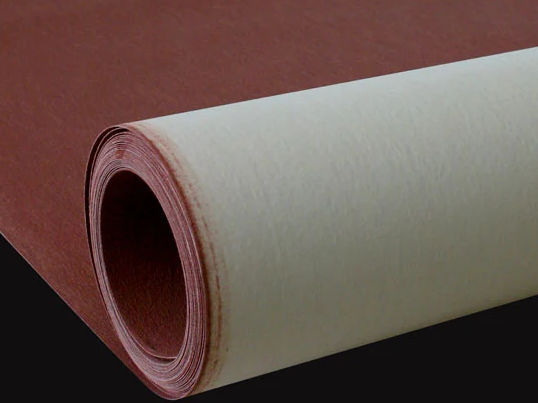
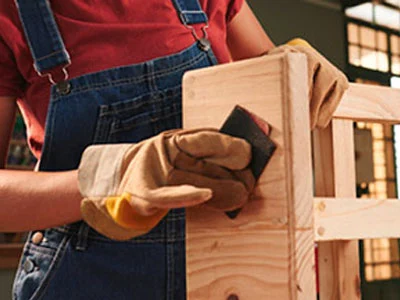
As surface finishing requirements continue to increase across industries, abrasive materials are expected to deliver more than basic material removal. Modern sanding processes require abrasives that can provide stable cutting performance, consistent surface quality, and longer working life under continuous operation.
One of the biggest factors affecting abrasive performance is loading, where dust and removed material accumulate on the sanding surface and reduce the effectiveness of abrasive grains. Managing this issue has become a key focus in the development of advanced coated abrasive technologies.
Stearate coated sandpaper addresses this challenge by using a specialized stearate coating layer to improve resistance to clogging and maintain a cleaner abrasive surface during use. This technology helps extend abrasive lifespan while supporting smoother sanding performance across a variety of materials and applications.
From automotive refinishing and woodworking to industrial surface preparation, stearate coated sandpaper provides an efficient solution for professionals seeking improved productivity and reliable finishing results. Understanding the technology behind stearate coatings can help users make better abrasive selection decisions for their specific processing needs.
Traditional abrasives mainly rely on abrasive grains and bonding systems to remove material. While these products can perform effectively in many applications, they may experience reduced efficiency when sanding materials that generate large amounts of dust or fine particles.
The main difference with stearate coated sandpaper is the addition of a specialized surface coating designed to improve sanding behavior. The stearate layer helps reduce friction between the abrasive surface and removed particles, lowering the possibility of debris becoming trapped between abrasive grains.
When abrasive loading occurs, dust and sanding residue cover the active cutting edges of abrasive grains. This reduces cutting efficiency and can lead to uneven surface results. By improving resistance to clogging, stearate coated abrasives help maintain more consistent performance throughout the sanding process.
Another important advantage is improved surface quality. Because abrasive grains remain more available for cutting, stearate coated sandpaper can provide smoother finishing results with fewer surface imperfections. This makes it especially suitable for applications where appearance and consistency are critical.
Compared with conventional abrasive solutions, stearate coated products provide a better balance between cutting efficiency, surface finish, and abrasive lifespan, making them a preferred choice for professional sanding environments.
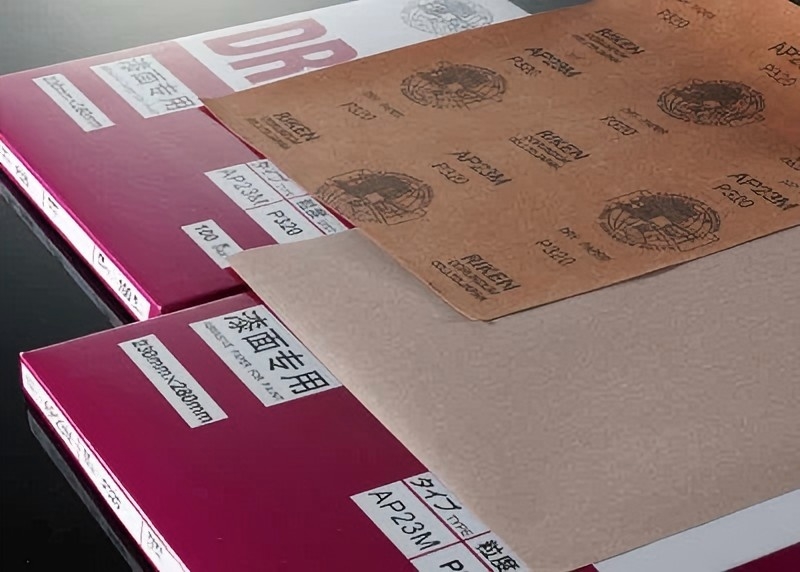
The anti-clogging performance of stearate coated sandpaper comes from the interaction between the coating layer and the abrasive surface. During sanding, the stearate coating creates a smoother surface condition that helps reduce the adhesion of dust and removed materials.
In applications such as automotive paint sanding, wood finishing, and filler preparation, fine particles can quickly accumulate and block abrasive grains. This abrasive loading reduces the number of available cutting points and increases friction during operation.
The stearate coating works by helping sanding debris release more effectively from the abrasive surface. This allows the grains to continue cutting efficiently while reducing premature abrasive failure caused by clogging.
The effectiveness of this technology depends on several factors, including abrasive grain type, grit size, backing material, and the characteristics of the workpiece. When properly selected, stearate coated sandpaper can significantly improve sanding efficiency and process stability.
Through continuous abrasive technology development, Fujistar Abrasives focuses on providing reliable coated abrasive solutions that address common challenges in professional sanding applications.
Maintaining consistent cutting performance is essential for efficient sanding operations. One of the major benefits of stearate coated sandpaper is its ability to resist abrasive loading, allowing the abrasive surface to remain active for a longer period.
When conventional abrasives become clogged, operators may need to apply additional pressure to achieve the same material removal rate. This can increase heat generation, reduce surface consistency, and accelerate abrasive wear.
By minimizing material buildup, stearate coated abrasives help maintain a stable cutting action. This allows users to achieve more predictable results while reducing unnecessary abrasive changes during production.
For professional workshops and industrial manufacturers, improved loading resistance can contribute to higher productivity, better surface quality, and more efficient sanding processes.
Abrasive lifespan is an important consideration when evaluating sanding efficiency. Frequent abrasive replacement increases operating costs and interrupts workflow, especially in applications involving large surface areas or continuous production.
Stearate coated sandpaper helps extend abrasive service life by reducing the accumulation of sanding debris and maintaining effective cutting performance over longer working periods.
This advantage is particularly valuable when processing materials that tend to clog abrasives quickly, including paints, coatings, fillers, plastics, and soft wood surfaces. By keeping abrasive grains cleaner, stearate technology helps users achieve longer usage cycles.
However, actual abrasive lifespan depends on factors such as sanding pressure, material hardness, equipment conditions, and grit selection. Choosing the correct abrasive specification remains important for maximizing performance.
The unique anti-clogging characteristics of stearate coated sandpaper make it suitable for various industries where surface quality and sanding efficiency are important.
In automotive refinishing, stearate coated abrasives are widely used for sanding primers, paints, fillers, and clear coatings. These applications often generate fine dust that can quickly reduce the performance of standard abrasives.
In woodworking, stearate coated products help improve finishing consistency when processing painted wood, furniture surfaces, and coated panels. The reduced loading effect allows smoother sanding and better surface preparation.
Industrial surface treatment applications also benefit from this technology. Before painting, coating, or bonding, surfaces often require controlled abrasion to achieve proper adhesion. Stearate coated sandpaper helps provide reliable surface preparation performance.
Fujistar Abrasives offers a variety of professional abrasive solutions designed for different sanding requirements. Users can explore suitable abrasive products through the Fujistar Abrasives product portfolio.
| Comparison Factor | Stearate Coated Sandpaper | Conventional Sandpaper |
|---|---|---|
| Clogging Resistance | Special coating helps reduce dust buildup and abrasive loading | More likely to experience clogging in high-dust applications |
| Cutting Performance | Maintains more consistent cutting action during use | Performance may decline as debris accumulates |
| Service Life | Extended lifespan in suitable sanding applications | May require more frequent replacement |
| Surface Finish | Supports smoother and more uniform finishing results | Finishing quality may become inconsistent over time |
| Main Applications | Automotive, woodworking, coatings, and surface finishing | General sanding and basic preparation tasks |
Selecting the correct abrasive requires consideration of the material being processed, required surface finish, and working conditions. Although stearate coated sandpaper provides excellent anti-clogging performance, different applications may require different abrasive specifications.
Grit size is one of the most important selection factors. Coarse grits are suitable for faster material removal, while finer grits are generally used for finishing and surface refinement.
The workpiece material should also be evaluated. Surfaces that generate large amounts of fine dust often benefit most from stearate coated abrasives because clogging resistance directly affects productivity.
Backing material, sanding equipment, and operating pressure should also be considered. A properly selected abrasive can help achieve better efficiency, longer service life, and improved finishing results.
For professional guidance and application-specific recommendations, customers can contact the Fujistar Abrasives technical team for further assistance.
In modern sanding applications, abrasive performance depends not only on cutting ability but also on how effectively a product maintains performance over time. Stearate coated sandpaper provides an effective solution to abrasive loading challenges through advanced anti-clogging technology.
By reducing material buildup, improving cutting consistency, and extending abrasive service life, stearate coated abrasives help professionals achieve better productivity and more reliable surface finishing results.
Whether used in automotive refinishing, woodworking, or industrial surface preparation, selecting the right stearate coated sandpaper can make a significant difference in sanding efficiency and overall process performance.
Stearate coated sandpaper is an abrasive product with a special stearate surface coating designed to reduce clogging and improve sanding efficiency.
The stearate layer reduces the adhesion of dust and debris, helping keep abrasive grains exposed for more consistent cutting performance.
It is commonly used for automotive coatings, wood finishes, fillers, plastics, composites, and other materials where clogging resistance is important.
Yes. By reducing abrasive loading, it can maintain cutting performance longer and extend service life in suitable applications.
Yes. It is widely used for paint preparation, primer sanding, and finishing because of its smooth performance and anti-clogging properties.
Selection should consider grit size, workpiece material, backing type, required finish, and specific sanding conditions.