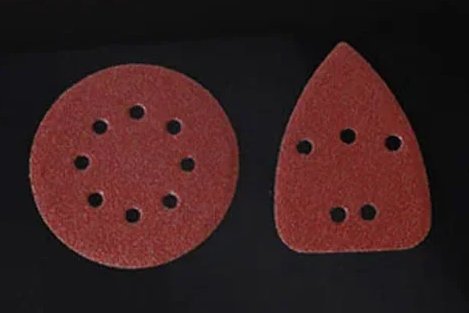
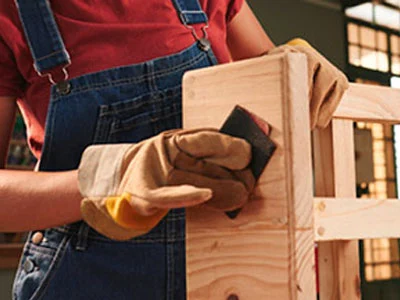
Why does an abrasive disc sometimes stop cutting effectively even when the abrasive surface still appears usable? In many sanding operations, premature wear is not caused by a single factor. Excessive pressure, unsuitable grit selection, heat buildup, poor dust removal, and a mismatch between the abrasive and the workpiece can all reduce performance and shorten useful life.
A well-managed sanding process should achieve more than simply removing material. It should maintain a stable cutting response, produce the required surface finish, and make efficient use of each abrasive disc. Understanding what causes abrasive wear makes it easier to adjust the sanding process before productivity and surface quality begin to suffer.
For applications using hook-and-loop abrasive discs, factors such as grit, backing construction, machine settings, dust extraction, and workpiece condition all deserve attention. This guide examines the main causes of abrasive wear and explains how better product selection and process control can help users achieve longer, more consistent sanding performance.
Grit selection is one of the first factors to consider when trying to extend the service life of a velcro paper disc. The correct grit should match both the amount of material that needs to be removed and the surface finish required at the end of the process.
Coarser abrasive grades are generally chosen when relatively fast material removal is required. They can cut through surface imperfections, old coatings, rough areas, or excess material more efficiently. Finer grades, by contrast, are normally used to refine an existing surface and reduce the scratch pattern created during earlier sanding stages.
Using a grit that is too fine for heavy material removal can shorten effective disc life because the operator may need to apply additional pressure or make more passes. On the other hand, using an unnecessarily coarse abrasive during a finishing operation can create deeper scratches and require additional sanding steps.
A practical approach is to select the abrasive according to the actual sanding stage rather than choosing one grade for every operation. A velcro sanding paper sequence may begin with a suitable coarse or medium grade for preparation and then move toward finer grades as the surface approaches its required finish.
Grit alone, however, does not determine abrasive life. Grain type, coating structure, backing, bonding, and the material being sanded also influence how quickly the disc loses cutting efficiency. This is why two discs with the same nominal grit can behave differently in actual production.
| Grit Selection | Typical Purpose | Potential Effect on Disc Life |
|---|---|---|
| Coarse | Rapid material removal and surface preparation | Efficient for heavy sanding when correctly matched to the workpiece |
| Medium | General sanding, blending, and intermediate preparation | Useful balance between cutting action and surface refinement |
| Fine | Scratch reduction and final surface refinement | More suitable when material removal requirements are relatively low |
Pressure has a direct relationship with how a velcro paper disc interacts with a workpiece. More pressure increases the engagement between abrasive grains and the surface, but it does not necessarily mean faster or more economical sanding.
When pressure becomes excessive, friction and heat can increase. The abrasive grains may wear more rapidly, while removed material can become more difficult to clear from the sanding surface. On softer materials or coated surfaces, excessive pressure may also encourage loading.
Another problem is uneven pressure. If an operator applies greater force to one section of the disc, that area can wear faster than the rest of the abrasive surface. The result may be uneven cutting and inconsistent surface texture, even though other parts of the velcro sanding paper remain usable.
Controlled pressure is therefore generally preferable to maximum pressure. The abrasive should perform the cutting rather than relying on physical force to compensate for an unsuitable disc or worn abrasive.
For machine sanding, pressure can also be influenced by pad selection, equipment setup, workpiece positioning, and operator technique. Keeping these variables stable makes it easier to identify whether abrasive performance is actually improving.
A simple sign of excessive pressure is when the disc becomes noticeably hotter while cutting performance does not improve proportionally. In such cases, reducing pressure and checking the grit, disc construction, and sanding conditions may produce better results than continuing to push the abrasive harder.
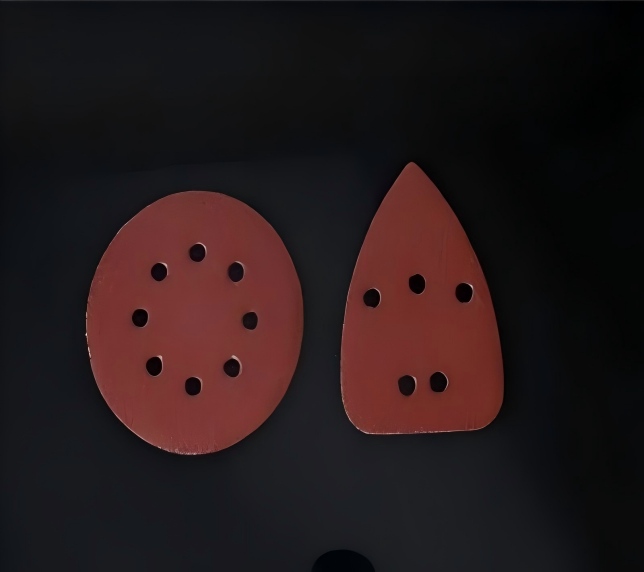
Machine speed is another important variable in the life of a velcro paper disc. The ideal operating conditions depend on the disc specification, sanding equipment, workpiece, and manufacturer's recommendations. Increasing speed without considering these factors can change the way abrasive grains contact the surface.
Heat is particularly important because friction increases when the abrasive and workpiece remain under demanding contact conditions. Excessive heat can accelerate abrasive wear and may also affect the workpiece, especially when sanding coatings or materials that are sensitive to temperature.
For this reason, operators should follow the recommended operating conditions for the specific velcro sanding paper being used rather than assuming that a higher machine speed will always improve productivity.
Stable machine settings are also valuable for repeatability. If speed, pressure, and contact conditions change frequently, it becomes difficult to determine whether differences in abrasive life are caused by the product or by the process.
In production environments, monitoring the relationship between cutting efficiency and disc consumption can provide useful information. If increasing machine speed results in higher abrasive consumption without a corresponding productivity benefit, the process may need to be adjusted.
Heat management should therefore be considered alongside grit and pressure. An abrasive that performs efficiently under controlled conditions may wear significantly faster when subjected to unnecessary friction or excessive heat.
Clogging is one of the common reasons a velcro paper disc can appear worn before its abrasive grains have reached the end of their useful life. Dust and removed material can accumulate between the abrasive grains, reducing the number of active cutting points available to contact the workpiece.
Once the abrasive becomes loaded, cutting efficiency decreases. Users may respond by increasing pressure, which can create even more heat and accelerate wear. The result is a cycle of declining performance and shortened disc life.
Effective dust extraction can help reduce this problem by removing sanding debris from the work area. When a sanding system uses compatible extraction equipment and a suitable perforation pattern, dust can be removed more effectively from the abrasive-workpiece interface.
The exact dust extraction setup depends on the equipment, disc design, workpiece, and sanding process. A velcro sanding paper product designed for a particular hole pattern or extraction configuration should be paired with compatible equipment to obtain the intended performance.
It is also important to keep the sanding equipment itself in suitable working condition. Blocked extraction channels, poorly fitted components, or inadequate airflow can reduce the effectiveness of the overall dust-removal system.
Reducing clogging offers more than longer abrasive life. It can also help maintain a more consistent scratch pattern and cutting response throughout the useful life of the disc.
Not every velcro paper disc is designed to perform equally well on every material. The workpiece determines how abrasive grains interact with the surface, how quickly the disc loads, and how much cutting force is required.
Before choosing velcro sanding paper, consider the material being processed and its existing surface condition. Bare wood, painted wood, plastic, composite materials, carbon steel, aluminum, and other surfaces can place very different demands on an abrasive.
The condition of the workpiece is equally important. A relatively clean surface may require a different abrasive approach from one covered with old paint, heavy oxidation, adhesive residue, or other contaminants.
| Workpiece Condition | Main Sanding Challenge | Selection Consideration | Potential Risk of Premature Wear |
|---|---|---|---|
| Rough surface | High material removal requirement | Appropriate coarse or medium abrasive | Fine grit used for heavy removal may wear inefficiently |
| Painted or coated surface | Loading and coating buildup | Disc construction and dust management | Clogging can reduce cutting efficiency |
| Contoured surface | Maintaining consistent contact | Suitable backing flexibility | Uneven pressure can cause localized wear |
| Metal surface | Heat and controlled material removal | Abrasive suited to the specific metal and process | Excessive pressure or heat can accelerate wear |
| Previously sanded surface | Reducing existing scratches | Progressively finer abrasive | Unnecessarily coarse grit can create additional work |
For manufacturers, distributors, and professional sanding users, selecting the abrasive according to the application can be more effective than simply buying the lowest-cost disc. Fujistar Abrasives provides abrasive solutions for different sanding requirements, so buyers can review the available abrasive products for different materials and applications when comparing disc options.
This application-based approach can also reduce unnecessary product changes. When the abrasive specification is properly matched to the workpiece, the disc is more likely to deliver a predictable balance of cutting performance, surface quality, and working life.
Extending abrasive life does not mean using a velcro paper disc indefinitely. Once the disc can no longer deliver the required cutting performance or surface quality, replacement is usually the more efficient choice.
One of the clearest indicators is a significant reduction in cutting efficiency. If the operator needs substantially more pressure or more passes to achieve the same result, the abrasive may have reached the practical end of its useful life.
Visible loading is another warning sign. When sanding debris covers a large portion of the abrasive surface and cannot be effectively removed through the normal dust extraction or cleaning process, continuing to use the disc may provide diminishing returns.
Uneven wear should also be monitored. A velcro sanding paper disc that has worn heavily in one area may produce inconsistent results even if other sections still appear usable.
Physical damage is an obvious reason for replacement. Torn edges, damaged backing, excessive deformation, or deterioration of the hook-and-loop attachment surface can affect disc stability and sanding consistency.
The right replacement point ultimately depends on the application. A disc used for rough preparation may be considered finished when cutting speed falls noticeably, while a disc used for finishing may need to be replaced as soon as it begins producing an unacceptable surface pattern.
Instead of judging abrasive life by time alone, evaluate whether the disc is still meeting the process requirement. This makes abrasive consumption easier to manage and avoids the hidden productivity cost of using an inefficient disc for too long.
Longer abrasive life is closely connected with consistent process control. Users who repeatedly work with velcro sanding paper can improve results by treating disc selection and sanding conditions as part of the same system.
Match grit to the sanding stage: Use an abrasive that can perform the required amount of material removal without unnecessary stress.
Avoid excessive pressure: Allow the abrasive grains to perform the cutting instead of forcing the disc against the surface.
Follow equipment recommendations: Use machine speed and operating conditions appropriate for the disc and sanding equipment.
Control heat: Excessive friction can shorten abrasive life and may affect the workpiece.
Maintain effective dust extraction: Reduce loading so that more abrasive grains remain active.
Use the correct disc construction: Consider backing flexibility, hole pattern, grain characteristics, and attachment compatibility.
Inspect discs regularly: Replace abrasive products when cutting efficiency, surface quality, or physical condition no longer meets the process requirement.
These practices are particularly valuable when sanding is part of a repeated production process. Consistent abrasive selection and operating conditions make it easier to predict disc consumption and maintain stable surface quality.
When the application involves a particular workpiece, production process, or performance requirement, product selection can be more complicated than choosing a grit from a standard list. In such cases, buyers can discuss their sanding requirements with the Fujistar Abrasives team and provide details about the material, equipment, sanding objective, and expected finish.
This type of application-based discussion can help identify a more appropriate velcro paper disc specification instead of relying solely on trial and error.
Extending the service life of a velcro paper disc is primarily about controlling the conditions that cause unnecessary abrasive wear. Choosing the right grit, applying consistent pressure, managing machine speed and heat, preventing clogging, and matching the disc to the workpiece can all contribute to more efficient sanding.
It is equally important to recognize that longer life should not come at the expense of productivity or surface quality. A velcro sanding paper disc that remains on the machine but requires excessive pressure, produces inconsistent results, or cuts too slowly may already have reached the end of its practical service life.
For professional users, the most effective strategy is to evaluate abrasive life as part of the entire sanding process. When the disc specification, workpiece, equipment, and operating conditions are properly matched, users can achieve a better balance between disc consumption, cutting performance, finish quality, and production efficiency.
Fujistar Abrasives can support this application-focused approach by helping buyers evaluate abrasive options according to their actual sanding requirements. Rather than treating velcro paper disc selection as a simple grit decision, consider the complete working environment and choose an abrasive designed to perform under those conditions.
Use the correct grit, maintain controlled sanding pressure, avoid excessive heat, use effective dust extraction, and match the disc to the workpiece and sanding process.
Not necessarily. Excessive pressure can increase friction, heat, loading, and abrasive wear. Controlled pressure generally provides more stable sanding performance.
Clogging occurs when sanding dust or removed material accumulates between abrasive grains. Effective dust extraction and an abrasive construction suited to the workpiece can help reduce loading.
Yes. Machine speed influences abrasive-workpiece contact and heat generation. Operating conditions should be selected according to the disc, equipment, workpiece, and manufacturer's recommendations.
Reduced cutting efficiency, excessive loading, uneven wear, physical damage, or unacceptable surface results are common indicators that a disc has reached the end of its practical working life.
Consider the workpiece material, surface condition, required material removal, desired finish, equipment, dust extraction system, and sanding conditions. For specialized applications, discussing the requirements with an abrasive manufacturer can help identify a suitable specification.