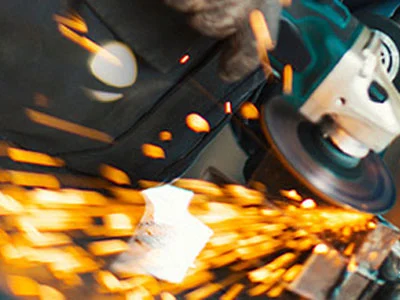
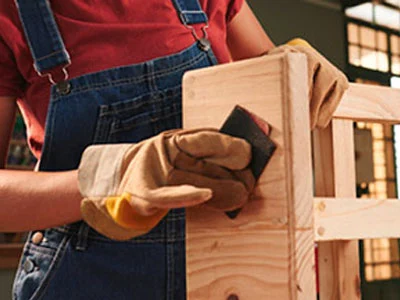
Achieving a high-quality surface finish requires more than simply selecting a finer abrasive grit. The interaction between the abrasive and the workpiece material determines how effectively material can be removed, how consistently surfaces can be refined, and how efficiently the overall grinding process can be completed. Among the many factors influencing abrasive performance, the hardness of the grinding material plays a fundamental role.
Different materials respond differently to abrasive action. Hard metals, soft alloys, coatings, composites, and other engineered materials each require specific abrasive characteristics to achieve optimal results. Choosing an unsuitable abrasive can lead to inefficient cutting, excessive wear, poor surface consistency, or unnecessary processing time.
The selection of a suitable fine grit abrasive depends on a combination of factors, including material hardness, abrasive grain properties, surface requirements, and operating conditions. A proper balance between these elements allows manufacturers to achieve precise finishes while maintaining productivity and abrasive efficiency.
This article explores how grinding material hardness influences abrasive performance, explains the relationship between abrasive grain technology and precision finishing, and provides practical guidance for selecting the right abrasive solution for different industrial applications.
Material hardness refers to a material’s ability to resist deformation, penetration, or surface wear. In grinding operations, hardness directly affects how the abrasive interacts with the workpiece surface. A higher hardness material typically requires abrasives with stronger cutting ability and greater wear resistance, while softer materials may require more controlled abrasion to prevent excessive removal.
The relationship between grinding material hardness and abrasive performance is based on the balance between cutting force and abrasive durability. If the abrasive is too soft compared with the workpiece, it may wear quickly and lose cutting efficiency. If the abrasive is too aggressive, it may create unwanted surface damage or excessive material removal.
For precision finishing applications, understanding this relationship becomes especially important. A fine grit abrasive is designed to produce smoother surfaces and controlled material removal, but its effectiveness depends heavily on whether its grain characteristics match the hardness and properties of the workpiece.
For example, hardened steel components often require abrasives with excellent toughness and cutting stability, while softer materials such as aluminum or certain plastics may benefit from abrasives designed to minimize surface loading and maintain smooth cutting action.
By evaluating material hardness before abrasive selection, manufacturers can improve grinding consistency, reduce abrasive consumption, and achieve better finishing results.
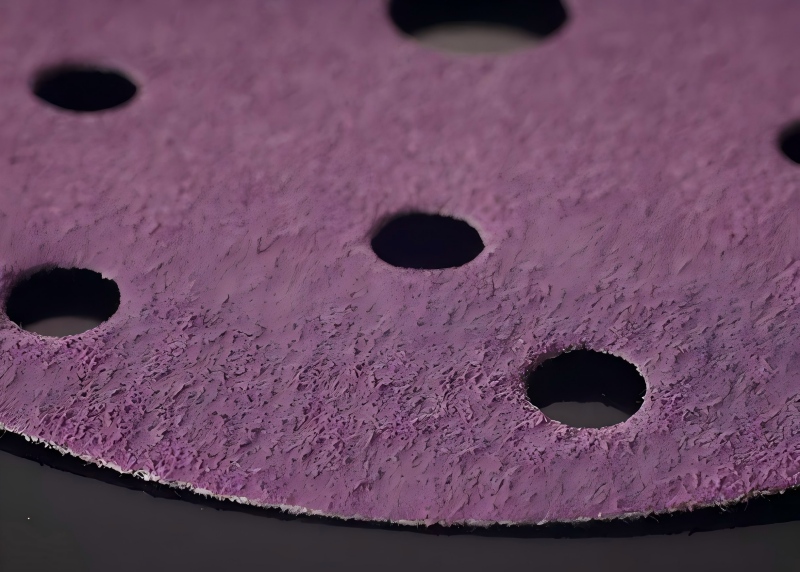
Selecting the correct fine grit abrasive requires a comprehensive understanding of both material characteristics and desired surface outcomes. While finer grits are generally associated with smoother finishes, the final result depends on how effectively the abrasive interacts with the workpiece.
A fine abrasive used on an unsuitable material may not deliver the expected performance. For example, extremely hard materials may require abrasive grains with higher fracture resistance to maintain cutting action, while softer materials may require abrasives that prevent clogging and excessive surface pressure.
Several factors should be considered when matching a fine grit abrasive with a specific grinding material:
The first factor is material hardness. Harder surfaces generally require abrasives with strong cutting edges and excellent durability. Softer materials often require abrasives that provide controlled abrasion and consistent surface refinement.
The second factor is the required surface finish. Applications involving precision components, decorative surfaces, or coating preparation may require finer abrasive structures to achieve uniform scratch patterns and improved appearance.
The third factor is the grinding environment. Manual sanding, automated finishing systems, and industrial grinding equipment may require different abrasive constructions to achieve stable performance.
By considering these variables together, users can select a fine grit abrasive that delivers the right combination of finishing quality, efficiency, and service life.
Abrasive grain technology is one of the most important factors influencing grinding performance. The type, structure, and behavior of abrasive grains determine how effectively an abrasive can cut through different materials while maintaining surface quality.
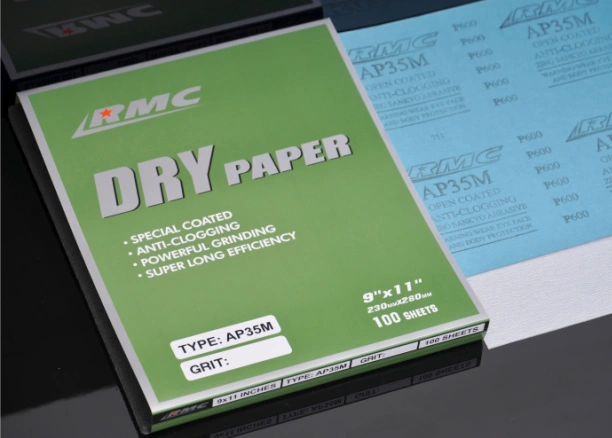
Aluminum oxide abrasives are widely used because of their balanced performance, offering good durability and versatility across many applications. They are commonly selected for general metal preparation, woodworking, and surface finishing.
Silicon carbide abrasives feature sharper cutting edges and excellent cutting efficiency, making them suitable for applications requiring smooth finishes and precise material removal. They are often used for non-ferrous metals, coatings, glass, and fine finishing operations.
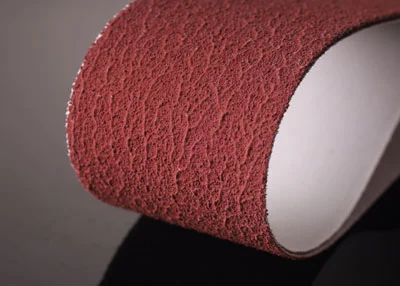
Zirconia alumina abrasives provide high toughness and strong wear resistance, making them suitable for demanding grinding applications involving harder materials. Their durability allows them to maintain cutting performance under heavy working conditions.
Ceramic abrasives represent advanced grain technology designed for high-performance grinding. Their micro-fracturing behavior continuously exposes fresh cutting edges, helping maintain efficient cutting action during demanding processes.
The relationship between grain engineering and grinding material hardness determines whether an abrasive can achieve stable performance. Selecting the appropriate grain technology helps improve productivity, reduce surface defects, and extend abrasive lifespan.
Different abrasive materials are engineered to meet different grinding requirements. When selecting an abrasive for a specific grinding material, users must consider factors such as hardness level, required finish, material removal rate, and operating conditions.
Abrasive performance is not determined by hardness alone. Grain toughness, friability, bonding structure, and surface treatment all influence how effectively an abrasive performs in practical applications. The ideal abrasive maintains a balance between cutting ability and controlled wear.
| Abrasive Material | Performance Characteristics | Suitable Grinding Materials | Typical Applications |
|---|---|---|---|
| Aluminum Oxide | Balanced cutting ability, durability, and versatility | Steel, wood, general industrial materials | General sanding, preparation, finishing operations |
| Silicon Carbide | Sharp cutting edges and excellent finishing capability | Non-ferrous metals, plastics, coatings, glass | Fine finishing and precision surface treatment |
| Zirconia Alumina | High toughness and strong material removal performance | Stainless steel, carbon steel, hard metals | Heavy-duty grinding and fabrication processes |
| Ceramic Abrasive | Advanced cutting efficiency and self-sharpening characteristics | Hard metals and demanding industrial materials | High-performance grinding applications |
| Fine Grit Abrasive Solutions | Controlled cutting action and superior surface refinement | Finished surfaces and precision components | Polishing, finishing, and surface preparation |
For example, a hard stainless steel component may require a durable abrasive grain that can withstand higher grinding forces, while a coated surface may require a fine grit abrasive designed to achieve a smooth finish without excessive material removal.
Understanding these differences allows manufacturers and distributors to recommend abrasive solutions based on actual processing requirements rather than relying only on general product categories.
Consistent surface quality is one of the most important goals in modern grinding and finishing operations. However, achieving a uniform finish requires more than selecting the correct grit size. The abrasive must be matched with the properties of the grinding material, the processing method, and the required final appearance.
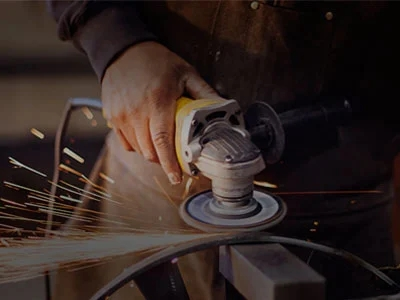
In metalworking applications, abrasive selection affects factors such as scratch pattern, heat generation, and surface preparation quality. Choosing the wrong abrasive may result in uneven finishing, excessive surface stress, or reduced coating adhesion.
In woodworking and composite processing, abrasives must provide controlled cutting performance while maintaining smooth surfaces. A properly selected fine grit abrasive helps refine surfaces without creating unnecessary defects.
Automotive refinishing is another area where abrasive selection is critical. Different stages of paint preparation, primer sanding, and final finishing require abrasives with different performance characteristics. Abrasives with optimized grain structures and surface treatments can help maintain consistent results throughout the process.
Fujistar Abrasives develops abrasive solutions designed for a wide range of industrial applications, helping users achieve reliable finishing performance across different materials and processing conditions. More abrasive product options can be explored through the Fujistar Abrasives product portfolio.
Selecting the right abrasive solution requires a systematic evaluation of the workpiece, processing conditions, and finishing objectives. A successful abrasive selection strategy should consider several key factors.
Material hardness should be evaluated first. Harder materials typically require abrasives with stronger grain structures and higher wear resistance, while softer materials often require abrasives that provide controlled cutting action.
The required surface finish should also influence abrasive selection. Coarse abrasives are generally used for faster material removal, while a fine grit abrasive is selected when smoother surfaces and tighter finishing control are required.
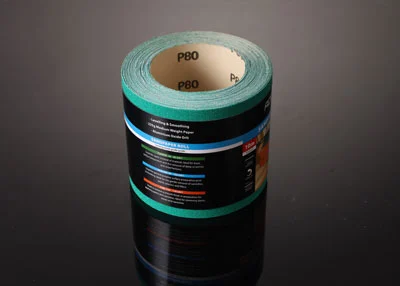
The grinding method is another important consideration. Abrasives used in manual operations may require different flexibility and backing characteristics compared with products used in automated industrial equipment.
Environmental factors such as pressure, speed, heat generation, and dust accumulation can also affect abrasive performance. A suitable abrasive should maintain stable cutting behavior under actual operating conditions.
For customized abrasive recommendations based on specific materials and applications, customers can contact the Fujistar Abrasives technical team for professional support.
The hardness of a grinding material plays a decisive role in determining abrasive performance, finishing quality, and overall processing efficiency. While grit size is an important consideration, achieving precise surface results requires a complete understanding of how abrasive grain technology interacts with different material characteristics.
Selecting the right fine grit abrasive involves balancing material hardness, abrasive structure, surface requirements, and operating conditions. From general finishing tasks to advanced industrial grinding processes, the correct abrasive solution helps improve consistency, productivity, and final surface quality.
As abrasive technologies continue to advance, manufacturers and users who understand the relationship between material properties and abrasive performance can make more informed decisions. By applying scientific abrasive selection principles, industries can achieve higher-quality finishes while improving overall process reliability.
The hardness of the grinding material determines how much cutting force and abrasive durability are required. Harder materials generally need tougher abrasive grains, while softer materials require controlled cutting performance.
A fine grit abrasive is mainly used for finishing, polishing, surface refinement, and applications requiring smoother surface quality and controlled material removal.
Zirconia alumina and ceramic abrasives are commonly used for hard metals because they provide strong cutting ability, durability, and resistance to wear.
Abrasive grain technology affects cutting efficiency, wear resistance, surface finish quality, and the ability to maintain performance during grinding operations.
Some abrasives are versatile, but the best results usually come from selecting an abrasive specifically matched to the material hardness, application, and finishing requirements.
The selection should consider material hardness, required surface finish, grinding method, abrasive grain type, and operating conditions to achieve optimal results.