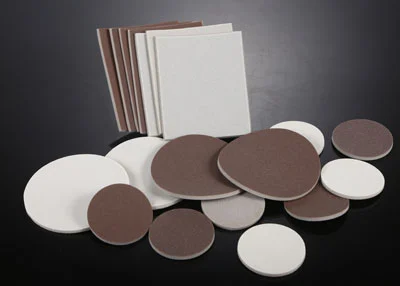
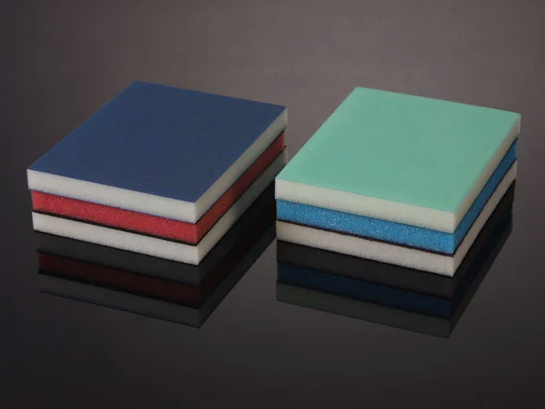
Silicon carbide sandpaper is a commonly used abrasive material, composed of silicon carbide particles and a paper substrate. It has high hardness and good wear resistance, making it suitable for sanding metal, wood, plastic, glass, ceramics, and other different material surfaces. However, silicon carbide sandpaper is primarily not suitable for sanding and polishing brittle materials such as glass, plastic, and ceramics.
1. Choose the appropriate grit size. Silicon carbide sandpaper is generally classified into coarse, medium, and fine grades based on grit size. The appropriate grit size should be selected according to the material and surface condition of the workpiece.
2. Clean the surface of the workpiece. Before using silicon carbide sandpaper, clean the surface of the workpiece to avoid affecting the sanding effect.
3. Sand in one direction. When sanding with silicon carbide sandpaper, sand in one direction and avoid back-and-forth motion to prevent scratching the surface.
4. Gradually increase the grit size. Start with fine grit silicon carbide sandpaper, and gradually increase the grit size until the desired smoothness is achieved.
Silicon carbide sandpaper is a common abrasive tool with characteristics such as wear resistance, high-temperature resistance, and chemical stability. It is widely used for grinding and polishing materials such as metals, wood, paints, and rubber.
Due to its high hardness, silicon carbide sandpaper has strong grinding capabilities, making it especially effective for harder metal materials. Additionally, it has excellent wear resistance, leading to a longer service life.
However, silicon carbide sandpaper is not suitable for all materials. Due to its high hardness, overly coarse sandpaper may damage certain thin and brittle materials. Therefore, silicon carbide sandpaper is not recommended for sanding and polishing materials such as glass, plastic, and ceramics. For these materials, it is advisable to use softer, finer sandpaper or other tools.
1. Avoid excessive sanding. Over-sanding can affect the appearance and surface morphology of the workpiece and may cause damage.
2. Pay attention to safety. When using silicon carbide sandpaper, wear gloves and a mask to avoid dust and particles from entering the eyes and mouth.
3. Avoid cross-use on different materials. Silicon carbide sandpaper used on different materials may leave residues that could affect subsequent usage.
4. Storage precautions. Store silicon carbide sandpaper at normal room temperature, avoiding high temperatures or humid environments to maintain sandpaper quality and longevity.
In conclusion, silicon carbide sandpaper is a commonly used fine grinding tool with characteristics of wear resistance and high-temperature resistance, suitable for sanding various material surfaces. However, it should not be used for sanding and polishing materials such as glass, plastic, and ceramics. When using silicon carbide sandpaper, control the sanding intensity and timing to ensure processing effects and the longevity of the sandpaper.