In automotive paint repair, sanding quality determines paint quality — and the margin for error is narrow. When abrasive strips have inconsistent grit distribution, the result is random deep scratches that telegraph through primer, base coat, and clear coat, forcing rework cycles that consume labor time, paint material, and shop capacity. For body shops and refinishing suppliers managing throughput in 2026, the priority is not finding the cheapest sanding consumable — it is finding one that delivers batch-consistent scratch patterns, resists clogging in refinishing dust, and maintains controlled cutting in the tight areas where discs and sheets cannot reach: narrow gaps, body line edges, and sculpted grooves.
Automotive refinishing is a layered process where each stage prepares the surface for the next. Sanding marks left at the feather-edge or primer stage do not disappear — they are either removed by the next grit step or they remain as a defect that becomes visible after paint. The critical variable is not how aggressively the abrasive cuts, but how consistently it cuts: uniform mineral distribution and stable grain bonding produce a predictable scratch pattern that the next grit step can reliably remove.
When grit distribution is inconsistent — a common characteristic of lower-grade abrasive strips — some areas of the strip cut deeper than others. The result is a mixed scratch pattern where most marks are at the correct depth for the grit, but occasional deep cuts require additional sanding passes to remove. Those additional passes extend cycle time and increase the risk of oversanding surrounding areas.
| Failure Mode | Root Cause | Consequence |
|---|---|---|
| Random deep scratches | Uneven grit distribution or oversized mineral particles | Scratches telegraph through paint; rework required |
| Swirl marks and heat marks | Loading (clogging) causes rubbing instead of cutting | Surface contamination; additional correction cycle |
| Inconsistent finish across the repair | Rapid grain loss from weak bonding | Uneven scratch depth; visible variation under inspection light |
| Oversanding at edges | Pressure concentration on narrow contact area | Character lines flattened; additional filler or primer required |
View Fuji Star abrasive strips specifications and grit options
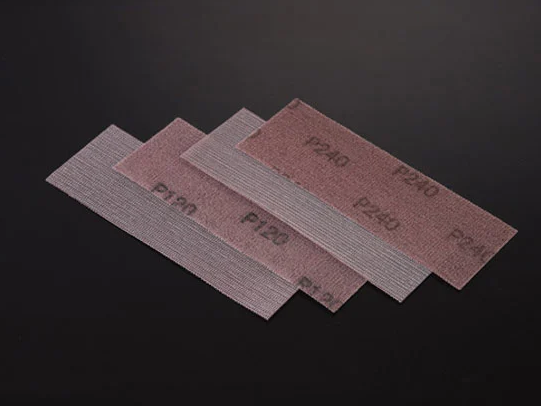
Grit consistency and batch control is the most important specification for automotive refinishing. Request documentation of the supplier's grit grading standard and batch QC process — specifically, the tolerance on mineral particle size distribution and the testing method used to verify it. A strip that cuts consistently within a batch and between batches eliminates the "scratch chasing" that occurs when one strip cuts deeper than the previous one.
Anti-clogging coating is the specification that most directly affects consumable cost per repair. Refinishing environments generate a specific type of loading challenge: primer dust, clear coat particles, and filler residue are fine and sticky, and they fill the spaces between abrasive grains quickly on uncoated strips. Once loaded, the strip stops cutting and starts rubbing — generating heat, creating swirl marks, and requiring replacement before the strip's abrasive life is exhausted.
An anti-clogging coating on the abrasive surface prevents this residue from bonding to the strip, keeping the cutting face open and maintaining clean cutting action significantly longer than an uncoated equivalent.
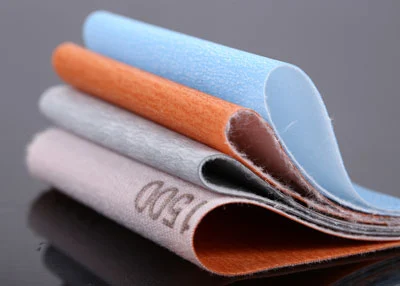
Backing flexibility and tear resistance determine whether the strip can be used effectively in the tight areas where it has the most advantage. A backing that is too stiff cannot conform to curved surfaces or narrow gaps; a backing that tears easily under the lateral stress of edge sanding creates waste and inconsistency.
| Specification | What to Confirm | Impact on Refinishing Quality |
|---|---|---|
| Grit consistency | Particle size distribution tolerance and batch QC standard | Predictable scratch pattern; reliable step-down between grits |
| Anti-clogging coating | Coating type and loading resistance test data | Longer cutting life; fewer strips per repair; less heat generation |
| Backing flexibility | Flexibility rating and tear resistance under lateral stress | Usable in gaps, grooves, and curved surfaces |
| Strip dimensions | Width, length, and attachment or hole pattern | Compatibility with hand blocks and specialized holders |
| Grit range available | Full range from feather-edge through denib grits | Single supplier for the complete repair workflow |
Door jamb transitions, trim edges, and panel gaps are areas where sanding discs physically cannot maintain controlled contact. The disc's circular geometry and rigid backing create pressure concentration at the gap edge, which either oversands the edge or leaves the gap interior untouched. An abrasive strip on a narrow hand block maintains consistent contact across the full width of the gap, delivering a uniform scratch pattern without edge damage.
Sanding along a body line requires controlled pressure that follows the line without flattening it. A strip's narrow geometry and flexible backing allow the technician to sand parallel to the character line with consistent pressure, maintaining the line's definition while preparing the surrounding surface for paint.
Bumper grooves, recessed door handles, and sculpted panel transitions are the areas where loading is most problematic — the geometry traps sanding residue and accelerates clogging. Anti-clogging coating is most valuable in these areas because the strip cannot be easily cleared by changing sanding angle or increasing speed.
For small spot repairs, a strip allows the technician to sand precisely within the repair boundary without affecting the surrounding coating. The controlled contact area reduces the risk of oversanding the blend zone, which is the most common cause of visible repair boundaries after paint.
No visible deep scratches under inspection light after the next grit step has been applied
Consistent scratch direction and depth across the full repair area
No swirl marks or heat marks from loading
Reduced denib and re-sand loops before the surface is ready for primer or base coat
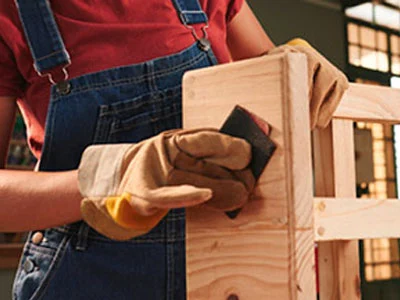
The sanding interface — the block or holder between the technician's hand and the strip — controls pressure distribution across the abrasive surface. A firm block concentrates pressure and is appropriate for flat surfaces where consistent stock removal is the priority. A soft pad distributes pressure more evenly and is appropriate for curved surfaces and contoured areas where the goal is to follow the surface rather than flatten it.
| Repair Stage | Recommended Grit Range | Purpose |
|---|---|---|
| Feather-edge and filler shaping | P80 – P120 | Rapid stock removal; establish repair boundary |
| Primer sanding | P180 – P240 | Remove feather-edge scratches; prepare for primer |
| Primer surface preparation | P320 – P400 | Smooth primer surface; remove application texture |
| Denibbing and blending prep | P500 – P800 | Final surface preparation before base coat |
Skipping grit steps to save time is the most common cause of scratch-chasing — the practice of repeatedly sanding to remove scratches that are too deep for the current grit to eliminate. Consistent step-down discipline eliminates this problem and reduces total sanding time per repair.
Let the abrasive cut — do not apply high pressure to compensate for a strip that is loading or dulling. High pressure on a loaded strip creates deep, irregular scratches that require additional correction. If the strip is not cutting cleanly at moderate pressure, replace it rather than pressing harder.
The relevant cost metric for a body shop is not the price per strip — it is the total cost per completed repair, including labor, consumables, and any rework:
| Cost Component | Standard Strips | Premium Anti-Clogging Strips |
|---|---|---|
| Strips per repair | Higher — faster loading | Lower — longer cutting life |
| Labor per repair | Higher — more sanding passes | Lower — consistent cutting reduces passes |
| Rework rate | Higher — inconsistent scratch pattern | Lower — uniform grit distribution |
| Paint material per repair | Higher — rework consumes additional material | Lower — fewer correction cycles |
| Total cost per good repair | Higher | Lower |
Track the following metrics when evaluating abrasive strip performance:
Strips consumed per repair type (spot repair, panel repair, full refinish)
Re-sand rate before paint — the percentage of repairs that require an additional sanding pass after inspection
Time-to-ready-for-paint per repair type
Comeback rate attributable to sanding defects visible after paint
Standardizing on a defined grit set — matched to the shop's standard repair workflow — reduces mis-picks, eliminates the performance variability that comes from mixing multiple brands, and simplifies reorder management. A shop running four or five standardized strip grits with known performance characteristics produces more consistent results than one running eight or ten different products from multiple suppliers.
A perfect refinish starts before paint — during sanding. When abrasive strips deliver consistent grit distribution and resist clogging through anti-clogging coating, technicians get predictable scratch patterns in narrow gaps, edges, and grooves — reducing the risk of deep marks that trigger rework. For body shops, that means fewer scratch-chasing cycles, lower strip consumption per repair, and faster throughput with more reliable cosmetic outcomes before paint is applied.
Fuji Star abrasive strips are available across the full refinishing grit range with anti-clogging coating options matched to your repair stages. Share your process details and receive a specific grit sequence recommendation and pricing:
Abrasive Strips — View Options and Start Your Inquiry
To receive a recommended specification and pricing matched to your shop's workflow, provide the following:
Work conditions: Repair stage (filler shaping, primer sanding, clear coat denibbing), dry or wet sanding preference, dust extraction method, and typical ambient conditions.
Quantity: Monthly strip usage, trial order size, and whether this is for a single site or a chain shop program.
Size and spec: Strip dimensions, grit range required, backing flexibility preference, and sanding block or tool type.
Target metrics: Scratch pattern requirement before paint, maximum acceptable rework rate, strips-per-repair target, and finish quality standard.
Current problem: Deep random scratches after sanding, grit inconsistency between strips, fast clogging in primer or filler dust, high consumable spend per repair, or slow cycle time to ready-for-paint.
1. What are abrasive strips?
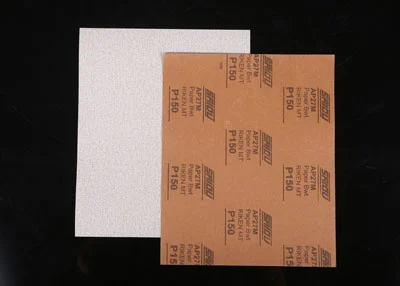
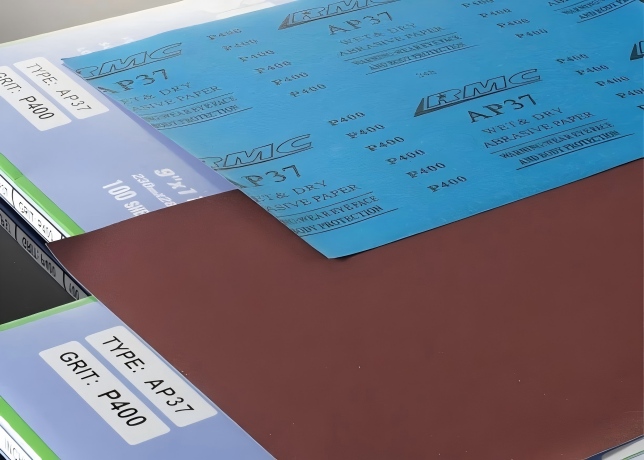
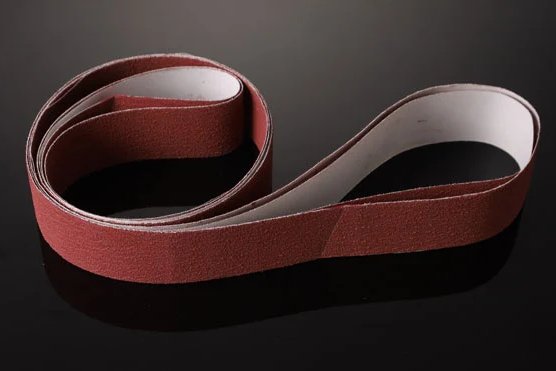
Abrasive strips are narrow sanding abrasives with cloth or paper backing, designed for controlled sanding in tight areas that discs and sheets cannot access effectively. They are used with hand sanding blocks or specialized holders and are available across a wide grit range to cover all stages of automotive refinishing — from feather-edge and filler shaping through primer sanding and final denibbing before paint. The strip format provides controlled contact area and consistent pressure distribution in narrow gaps, along edges, and in grooves.
2. How do abrasive strips compare with sanding discs, sheets, or sponges?
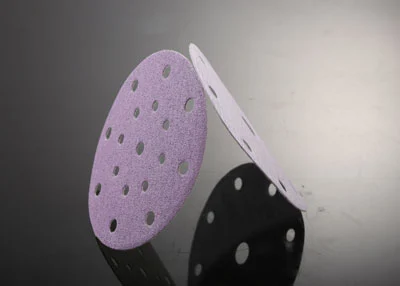
Sanding discs are fast and efficient on open panel areas but cannot maintain controlled contact in narrow gaps or along body lines. Sanding sheets are versatile for hand work on larger surfaces but are difficult to control in tight geometries. Sanding sponges conform well to contours but do not provide the directional control needed for precise edge sanding. Abrasive strips excel specifically in narrow gaps, seams, edges, and grooves — the areas where other formats either cannot reach or cannot maintain consistent pressure without damaging adjacent surfaces.
3. How do we calculate ROI and payback for higher-grade abrasive strips?
Calculate the total cost per completed repair for both the current and the premium strip: add strip cost, labor time for sanding passes, and any rework labor and material cost, then divide by the number of repairs completed. Premium strips with anti-clogging coating typically reduce the number of strips per repair and the number of sanding passes required, which lowers labor time per repair. The reduction in rework rate — fewer repairs that require additional sanding or repainting — is usually the largest single contributor to ROI, particularly for shops with high-value refinishing work.
4. Do we need new tools to use abrasive strips?
Not necessarily. Most abrasive strips are compatible with standard hand sanding blocks that body shops already use. Purpose-built narrow holders and specialized strip holders can improve control in very narrow seams and deep grooves, but they are an enhancement rather than a requirement. The most important tool consideration is matching the block hardness to the surface geometry — a firm block for flat surfaces and a soft pad for curved or contoured areas.
5. What parameters should we provide for correct abrasive strip selection?
Provide the following: repair stage and coating type being sanded (filler, primer, base coat, or clear coat), target grit progression for your standard repair workflow, strip dimensions required, tool or holder type, dry or wet sanding preference, the most common defect you are currently experiencing (deep scratches, clogging, or inconsistent finish), monthly consumption volume, and your quality standard before paint. This information allows the supplier to recommend the correct grit sequence, backing type, and coating specification for your specific refinishing workflow.