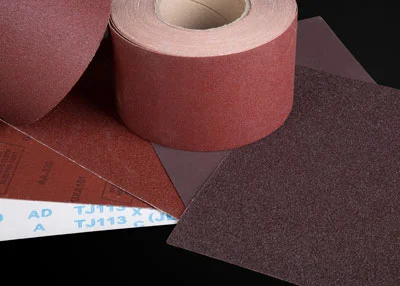
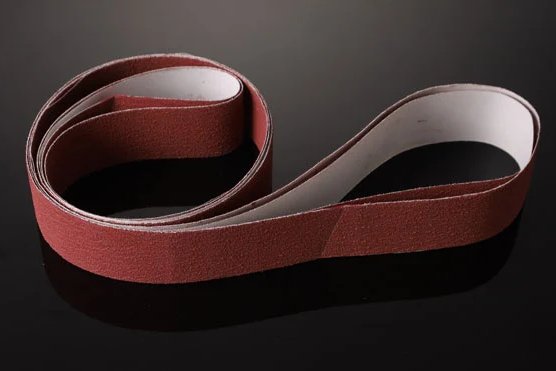
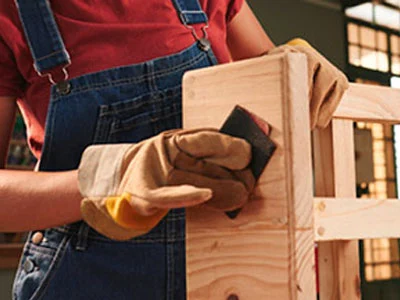
Water sandpaper is an abrasive material that needs to be wetted with water during use. It can be used to polish surfaces of various materials such as wood, metal, plastic, and ceramics. It is commonly used in automotive repair, home maintenance, and other fields. Dual-use sandpaper is a versatile abrasive material that can be used both dry and wet. It can be used to sand metal, wood, cement, and other materials.
Water sandpaper needs to be used after being wetted, often recommended to be soaked in water for 10 minutes before use. Additionally, water needs to be continually added during the sanding process to keep the sandpaper surface moist for optimal abrasive results. In contrast, dual-use sandpaper can be used flexibly either in dry or wet conditions.
Since water sandpaper remains moist after being wetted, it can better absorb the dust generated by the grinding process, and the friction heat between the sandpaper and the material being sanded can dissipate quickly. This maintains the sharpness of the sandpaper surface, improving grinding efficiency. However, the abrasive effect of dual-use sandpaper is generally slightly inferior to water sandpaper. Nonetheless, dual-use sandpaper is more flexible and convenient, can be used in both dry and wet conditions, and is relatively simple to use, suitable for various materials.
1. When using water sandpaper, keep the sandpaper surface moist at all times. If there is too much water, the surface of the sandpaper becomes too slippery, which makes it difficult to achieve an abrasive effect. If there is too little water, the sandpaper will wear out quickly and produce flying dust.
2. When using dual-use sandpaper, do not wipe it before use. It can be used repeatedly even if it has become rough, as long as the surface is not excessively worn.
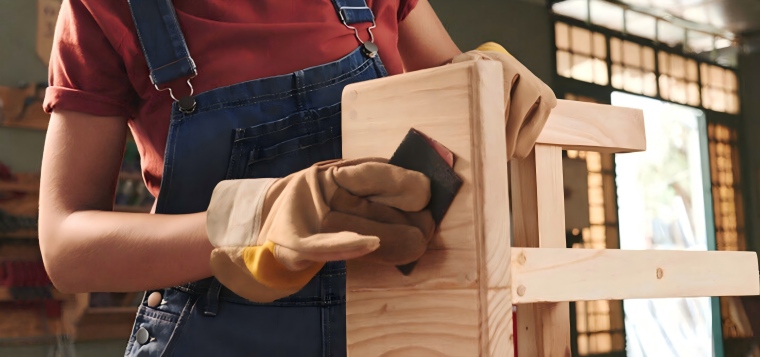
3. When using dual-use sandpaper, pay careful attention to the direction of sanding to avoid scratches. This is especially important for materials that are prone to scratching, such as cherry wood.
4. When selecting sandpaper, choose the appropriate grit based on the fineness required. Generally, the grit of the sandpaper used should not exceed 1000.
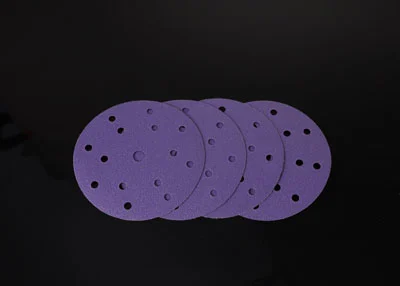
Fujistar WP39 dual-use sandpaper is designed with environmentally friendly materials, suitable for dry and wet sanding. The back 30% latex paper ensures the sandpaper is durable, waterproof, ultra-flexible, and wear-resistant. The abrasive part is premium white aluminum oxide, sharp in performance and long-lasting. The stylish purple color is more attractive than traditional products, and it does not discolor the sanding surface. Its inherent flexibility allows for contour sanding of irregular surfaces.
While water sandpaper and dual-use sandpaper are both common abrasive materials, they differ in some aspects. To achieve superior sanding results, choose the appropriate sandpaper based on the material being sanded and master the correct usage methods.